
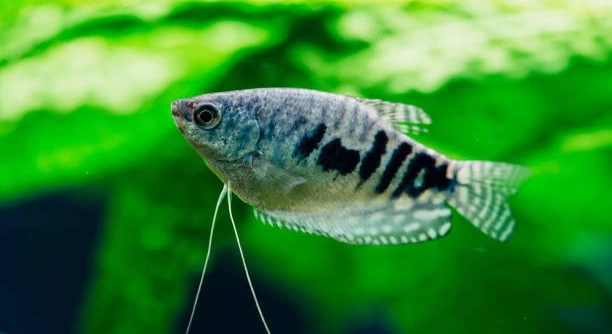
Gouramis are peaceful freshwater fish often kept in home aquariums. They enjoy stable environments and can be sensitive to sudden changes. Rearranging their tank can cause stress and influence their behavior in subtle ways.
After rearranging the tank, gouramis tend to avoid areas that feel unfamiliar or unsafe. They often steer clear of new decorations, strong water currents, bright lights, or open spaces until they regain comfort and trust in their environment.
Understanding these behaviors helps ensure your gouramis adjust smoothly and maintain their well-being. This article will explain the key things gouramis avoid after tank changes.
Avoiding New Decorations
Gouramis often feel uneasy around new decorations in their tank. After rearranging, unfamiliar objects can make them cautious. These fish rely on familiar landmarks to feel secure. When something changes, they might hide or swim away from new plants, rocks, or ornaments. This behavior is natural because sudden changes can signal potential threats. It is important to introduce decorations slowly or keep some familiar items in place. Gradual adjustments help gouramis explore their environment without stress. Observing how they react to new objects can guide you on when to add or remove decorations. Keeping the tank balanced with hiding spots and open areas also encourages comfortable swimming. Patience is key, as gouramis will usually adapt over time if the changes are not too drastic.
New decorations can cause temporary stress but usually become accepted with time and consistent care.
Giving your gouramis time to explore and feel safe around new decorations supports their health. You can gently rearrange in stages instead of all at once. Monitor their behavior closely. If they hide too much or stop eating, consider reversing some changes. This helps prevent prolonged anxiety. It also keeps the tank environment stable and welcoming for your fish. Remember, gouramis prefer calm and steady surroundings, so minimizing sudden disruptions promotes their overall well-being. With small steps, your gouramis will adjust and thrive in their refreshed habitat.
Sensitivity to Water Currents
Gouramis dislike strong water currents, especially after tank rearrangements. They swim slowly and prefer calm areas where they can rest easily. When the tank changes, water flow might shift near filters or pumps, causing discomfort. Too much current forces them to struggle or hide, which adds stress. Positioning decorations to block or reduce flow near resting spots can help. Understanding their preference for gentle water movement is important when planning tank layout. A quiet, peaceful environment makes gouramis feel safe and encourages natural behavior.
Strong currents disrupt gouramis’ comfort and may cause them to avoid certain parts of the tank.
After moving items around, watch how water moves and adjust filters if needed. Adding plants or stones can break up fast flow and create calm zones. These peaceful pockets let gouramis rest and explore without fighting the current. Keeping water flow steady but gentle helps reduce stress and prevents injuries. Gouramis also use slow currents to find food and communicate, so a balanced flow supports their daily needs. Being mindful of water movement ensures a healthier and happier tank environment for your fish.
Avoidance of Bright Lighting
Gouramis are sensitive to bright lighting, especially after their tank is rearranged. Sudden changes in light can make them feel exposed and vulnerable. They often seek shaded areas or hide under plants to avoid strong light until they feel comfortable again.
Bright lights can increase stress for gouramis and reduce their activity. After rearranging the tank, lighting angles may shift, creating harsher spots or glare. Gouramis prefer soft, diffused lighting that mimics their natural habitat. Using floating plants or adjusting light intensity can help create shaded retreats. This gentle environment supports their comfort and natural behaviors like resting and feeding. Avoid sudden changes by gradually adjusting the lighting if possible.
Keeping the lighting soft and consistent helps gouramis adapt faster. It reduces hiding and encourages normal swimming patterns. Providing shaded areas with plants or decorations offers safe spots for rest. If lighting is too harsh, gouramis may become withdrawn or stop eating. Careful lighting management ensures a stress-free tank that supports their health and well-being over time.
Preference for Familiar Hiding Spots
Gouramis tend to return to familiar hiding spots after a tank rearrangement. These places give them a sense of security in an environment that feels changed or unpredictable. They avoid open spaces without cover during this adjustment period.
When the tank layout changes, gouramis may feel lost without their usual shelters. Their instinct is to seek out familiar hiding spots, such as caves, dense plants, or decorations where they feel protected. These refuges reduce stress and help them regain confidence in their surroundings. If familiar spots are removed or moved, gouramis may become anxious or hide more frequently. Providing stable, well-placed hiding areas supports their comfort.
It is important to keep at least some of their favorite hiding spots intact during rearrangements. This eases their transition and helps them explore the tank more confidently. Adding new shelters gradually also encourages adaptation without overwhelming the fish. Consistent shelter availability promotes natural behavior and reduces stress-related issues like loss of appetite or lethargy. Familiar hiding places are key to a peaceful and healthy tank environment for gouramis.
Avoidance of Open Spaces
Gouramis often avoid open spaces after the tank is rearranged. These wide areas make them feel exposed and unsafe. They prefer to stay near plants or decorations where they can quickly hide if needed.
Open spaces increase their stress because there is no cover from potential threats. They rely on nearby shelter for comfort and security. This behavior is natural and helps them survive in the wild.
Sensitivity to Sudden Movements
Gouramis are easily startled by sudden movements near their tank. After rearranging, they may be more skittish and avoid areas where there is frequent activity or noise.
Preference for Low Traffic Areas
Gouramis prefer parts of the tank where there is less disturbance. They avoid areas close to filters, heaters, or frequent maintenance zones.
Caution Around New Tankmates
Gouramis can be cautious or avoidant around new fish introduced after rearranging the tank. They need time to feel safe with unfamiliar neighbors.
FAQ
Why do gouramis hide more after I rearrange their tank?
Gouramis hide more because they feel uncertain and stressed when their environment changes. They rely on familiar surroundings to feel safe. Rearranging the tank disrupts their sense of security. Hiding helps them cope with this stress until they adjust to the new setup. Over time, as they become comfortable again, they will explore more and hide less.
How long does it take for gouramis to adjust after rearranging the tank?
Adjustment time varies but usually takes several days to a couple of weeks. Factors like how drastic the changes are, tank size, and the presence of hiding spots affect this. Small, gradual changes help gouramis adapt faster. Providing stable conditions, like consistent lighting and water parameters, also shortens stress periods.
Can rearranging the tank harm gouramis physically?
Rearranging itself rarely causes physical harm, but sudden, extreme changes can increase stress, which weakens their immune system. Stress may make them more prone to illness or injury. Handling decorations and plants carefully to avoid sharp edges is important. Gentle, slow changes help keep gouramis safe and healthy.
What should I do if my gouramis stop eating after rearranging?
Loss of appetite is a common stress response. Give them time and keep feeding small amounts regularly. Ensure water quality is good and stable. Avoid making further changes during this time. If they don’t eat for more than a week, check for signs of illness and consider consulting a vet or fish expert.
Is it okay to rearrange the tank frequently?
Frequent rearrangements can cause ongoing stress for gouramis. They thrive in stable, predictable environments. If you like changing the tank layout, try to keep some familiar elements in place. Space out rearrangements with enough time between to allow your fish to settle and feel safe.
Why do gouramis avoid new decorations but then get used to them?
Gouramis avoid new decorations because unfamiliar objects can be seen as threats. They need time to explore and become familiar with these changes. Gradual introduction helps reduce anxiety. Once they understand the new items are safe, gouramis include them in their territory and use them for hiding or resting.
How can I help gouramis feel safe after moving things around?
Keep some familiar hiding spots intact. Introduce new decorations slowly and avoid overloading the tank with too many changes. Maintain stable water parameters and soft lighting. Minimize disturbances near the tank. Providing plants or decorations that break up open spaces helps gouramis feel protected.
What role do plants play after rearranging a gourami tank?
Plants offer essential cover and shelter, helping gouramis reduce stress after changes. Dense or floating plants provide shaded spots and hiding places. They also improve water quality and create a more natural environment. Keeping plenty of plants helps gouramis feel secure and encourages normal behavior.
Are gouramis more stressed by changes in water flow after rearranging?
Yes, gouramis prefer gentle water flow and can be stressed by stronger currents caused by moving filters or pumps. Fast water can tire them out and cause hiding. Adjusting water flow by repositioning equipment or adding decorations to break currents helps reduce stress and creates calm swimming areas.
Can gouramis recognize their tankmates after rearranging?
Gouramis do recognize familiar tankmates through behavior and appearance, but changes in territory may temporarily affect social interactions. After rearranging, they might be more cautious or avoidant until everyone settles. Providing enough space and hiding spots reduces conflicts during this adjustment period.
Rearranging a gourami tank can be a necessary part of maintenance or a way to refresh the aquarium’s look. However, it is important to understand that gouramis are sensitive fish that rely on a stable and familiar environment. Changes to their surroundings, whether big or small, can cause stress and affect their behavior. They may avoid new decorations, open spaces, or areas with strong currents until they feel comfortable again. Knowing what to expect after rearranging the tank helps owners provide the best care and support for their fish during this adjustment period.
Patience is key when dealing with gouramis after a tank rearrangement. It can take days or even weeks for them to fully adjust, and during this time they might hide more or avoid certain areas. Maintaining consistent water conditions, gentle lighting, and familiar hiding spots will help ease their stress. It is also helpful to make changes gradually whenever possible. By observing their behavior closely, owners can identify signs of discomfort or stress and take steps to improve the environment. Small adjustments like adding plants or repositioning decorations can create safe spaces that encourage gouramis to explore and become confident again.
Ultimately, the goal is to create a calm, balanced habitat that supports the natural needs of gouramis. While rearranging the tank is sometimes necessary, it should be done thoughtfully to avoid unnecessary stress. Taking the time to understand how gouramis react to change and providing a gentle transition allows these fish to thrive. With proper care and attention, gouramis will adjust to their new surroundings and continue to live healthy, happy lives. Being mindful of their preferences and needs helps build a better relationship between owner and fish and promotes a peaceful aquarium environment.

Hello,
If you enjoy the content that we create, please consider saying a "Thank You!" by leaving a tip.
Every little bit helps us continue crafting quality advice that supports the health, happiness, and well-being of pets around the world, for pets of all shapes, sizes, and species.
We really appreciate the kindness and support that you show us!