
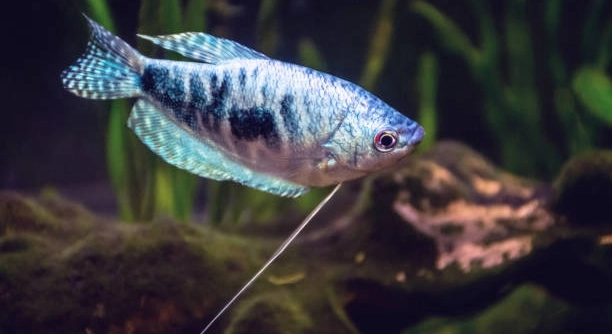
Gouramis are popular freshwater fish known for their vibrant colors and peaceful nature. However, they can sometimes act cautious or avoid certain tankmates. This behavior often puzzles owners who expect harmony in community tanks.
Gouramis may be wary of certain tankmates due to differences in temperament, territorial instincts, or stress caused by aggressive or overly active species. These factors influence their comfort levels and social interactions within the aquarium environment.
Understanding these behaviors helps create a balanced tank where your gourami can thrive alongside compatible companions. This article explores the reasons behind their wariness and offers practical solutions.
Reasons Gouramis May Avoid Certain Tankmates
Gouramis often display caution toward some tankmates because of differences in behavior and environmental needs. Aggressive or fast-moving fish can cause stress, leading gouramis to hide or keep their distance. Territorial instincts also play a role, especially in smaller tanks where space is limited. Gouramis prefer calm surroundings and may feel threatened by fish that constantly chase or nip at them. Additionally, species with different water parameter preferences might not coexist well, causing discomfort for gouramis. These factors contribute to their wariness and can affect their health if not addressed.
Stress from incompatible tankmates can lower a gourami’s immune response, making it vulnerable to illness. It is essential to observe their interactions closely to ensure all fish can coexist peacefully.
Monitoring your gourami’s behavior regularly helps identify tension early. Adjusting tank size, décor, or selecting calmer species can reduce stress. Creating hiding spots offers refuge when gouramis feel threatened. Ultimately, maintaining compatible tankmates supports your gourami’s well-being and natural behavior.
How Tank Environment Affects Gourami Behavior
Tank environment plays a significant role in how gouramis interact with other fish. Poor water quality, insufficient space, and lack of hiding spots increase stress levels. Gouramis need a stable environment with clean, warm water and gentle filtration. Overcrowded tanks lead to competition for resources, making gouramis more cautious or aggressive. Dense plants and decorations help gouramis feel secure, reducing their wariness toward tankmates. Lighting also impacts behavior; bright, harsh lights may cause them to retreat more often.
Adjusting tank conditions improves gouramis’ comfort and social interactions.
Creating a suitable habitat tailored to gouramis’ needs is key to their social behavior. Regular water changes, proper tank size, and balanced fish numbers minimize stress. Incorporating live plants and shaded areas mimics their natural habitat, encouraging exploration and interaction. Gouramis rely on visual and chemical cues to assess safety; a peaceful environment allows these signals to promote calm behavior. Selecting compatible species that share similar environmental preferences supports harmony. Avoid sudden changes to water temperature or chemistry to prevent discomfort. Over time, a well-maintained tank reduces wariness and fosters healthier social dynamics among all fish. This approach improves the overall atmosphere, helping gouramis feel secure and more confident with their tankmates.
Choosing Compatible Tankmates
Selecting compatible tankmates reduces stress for gouramis and encourages peaceful coexistence. Avoid overly aggressive or territorial fish. Opt for calm species that share similar water requirements and temperament.
Peaceful fish such as tetras, rasboras, and corydoras often make good companions. These species tend to swim in groups and keep to themselves, lowering the chances of conflict. Avoid fin-nipping species like barbs or aggressive cichlids, as they can provoke defensive behavior in gouramis. Compatibility also depends on tank size; overcrowding increases competition and stress, regardless of species choice.
Observing fish behavior in your tank is essential. If a tankmate consistently intimidates or chases your gourami, consider relocating one of the species. Providing ample hiding spots and plants can also ease tension. Careful selection and monitoring will promote a calm and balanced community.
Signs of Stress in Gouramis
Stress in gouramis often appears as changes in behavior or physical condition. Watch for hiding more than usual, loss of appetite, or color fading. These signs indicate discomfort or fear in the environment.
Additional signs include rapid breathing, clamped fins, or erratic swimming. Stress can weaken the immune system, increasing susceptibility to disease. Prolonged stress may lead to lethargy or unusual aggression toward tankmates. Environmental factors like poor water quality or incompatible tankmates are common stress sources.
Addressing these issues quickly is critical. Improving tank conditions, adjusting fish combinations, or providing more hiding places can reduce stress. Regular observation helps catch problems early, ensuring your gourami stays healthy and comfortable.
Feeding and Nutrition Impact on Behavior
Proper feeding supports a gourami’s health and behavior. An inadequate diet can cause irritability or lethargy, increasing wariness toward tankmates.
Consistent feeding schedules and balanced nutrition promote stability. Offering a variety of foods helps meet their dietary needs and reduces stress.
Introducing New Tankmates
Introducing new fish requires caution to prevent stress and aggression. Quarantine new additions to avoid disease and allow gradual acclimation to the tank environment.
Slow introductions reduce territorial disputes and help gouramis adjust without becoming overly defensive. Observe interactions closely during this period to ensure compatibility.
Tank Size and Space Requirements
Gouramis need enough space to swim freely and establish territories. Small tanks limit movement and increase stress, leading to avoidance behaviors.
Providing adequate space and decorations allows gouramis to retreat when needed. This reduces tension and supports peaceful coexistence with other fish.
FAQ
Why does my gourami hide when new fish are added?
Gouramis are naturally cautious, especially when new tankmates arrive. They may feel threatened by unfamiliar fish entering their space. Hiding is a way to reduce stress and avoid potential conflict. Over time, as the new fish settle in and establish their own territories, the gourami often becomes more comfortable and resumes normal behavior.
How can I tell if my gourami is stressed due to tankmates?
Signs of stress include hiding frequently, loss of appetite, faded colors, or erratic swimming. Stressed gouramis might also breathe rapidly or keep their fins clamped close to the body. Observing these signs early allows you to adjust tank conditions or remove incompatible fish to reduce stress.
Can gouramis live with aggressive fish?
Gouramis generally do not do well with aggressive species. Aggressive fish may chase, nip, or intimidate them, leading to constant stress and health problems. It is best to choose peaceful or moderately active tankmates to create a calm environment where gouramis can thrive.
What tankmates are best for gouramis?
Peaceful species like small tetras, rasboras, and corydoras often coexist well with gouramis. These fish share similar water needs and temperaments. Avoid fin-nippers such as barbs and overly territorial species like many cichlids, as they disrupt gouramis’ comfort and cause tension.
How much space do gouramis need?
Gouramis need adequate space to swim and hide. A tank size of at least 20 gallons is recommended for a single gourami, with more space required if keeping multiple fish. Larger tanks reduce territorial disputes and allow fish to retreat, which lowers stress.
What role does tank décor play in gourami behavior?
Plants, rocks, and decorations create hiding places and break up sight lines. This helps gouramis feel secure and reduces encounters with dominant or aggressive tankmates. Dense vegetation is especially beneficial, mimicking their natural habitat and giving them refuge when needed.
Why does my gourami seem aggressive toward certain fish?
Male gouramis can be territorial, especially during breeding or when space is limited. Aggression toward other gouramis or similar-shaped fish is common in cramped conditions. Increasing tank size or providing more hiding spots can help reduce this behavior.
How important is water quality for gourami comfort?
Water quality greatly affects gourami health and behavior. Poor conditions cause stress, which makes them wary of other fish. Maintaining stable temperature, pH, and cleanliness ensures gouramis feel secure and reduces their tendency to avoid tankmates.
Can gouramis adjust to different tankmates over time?
Yes, with proper conditions, gouramis can gradually accept new tankmates. A peaceful environment, sufficient space, and slow introductions encourage adaptation. However, some personalities or species differences may always cause some level of wariness.
What should I do if my gourami is constantly hiding?
Constant hiding often signals stress or fear. Check tank conditions, water parameters, and the compatibility of tankmates. Adding plants or decorations for cover and reducing aggressive species can improve comfort. If hiding persists, consider consulting a specialist for possible health issues.
Final Thoughts
Gouramis are sensitive fish that rely heavily on their environment and tankmates to feel safe and comfortable. Their wariness toward certain tankmates often reflects natural instincts to avoid threats or stressful situations. When a gourami appears cautious or hides frequently, it is important to consider factors such as tank size, species compatibility, and environmental conditions. Providing a well-maintained habitat with plenty of hiding spots can significantly reduce stress and help gouramis adjust to their surroundings. Ensuring the right combination of tankmates that share similar temperaments and water requirements also supports peaceful coexistence.
Maintaining good water quality and stable conditions plays a key role in a gourami’s behavior. Fluctuations in temperature, pH, or cleanliness can cause discomfort and increase nervousness. Consistent care through regular water changes and monitoring of tank parameters promotes a healthy environment. Feeding a balanced diet on a reliable schedule further helps gouramis remain active and less defensive. When tank conditions are optimal, gouramis are more likely to feel secure, show natural behaviors, and interact calmly with other fish. Taking the time to observe and respond to your gourami’s needs improves their well-being and enjoyment in the tank.
It is important to remember that each gourami has a unique personality. Some may be more shy or territorial than others, regardless of external factors. Adjusting the aquarium setup or tankmates may not completely eliminate wariness, but it can greatly reduce it. Patience and careful management allow gouramis to gradually build confidence. Creating an environment that respects their natural tendencies and supports their health results in a more peaceful aquarium overall. Understanding these aspects leads to a rewarding experience for both the fish and the caretaker.

Hello,
If you enjoy the content that we create, please consider saying a "Thank You!" by leaving a tip.
Every little bit helps us continue crafting quality advice that supports the health, happiness, and well-being of pets around the world, for pets of all shapes, sizes, and species.
We really appreciate the kindness and support that you show us!