
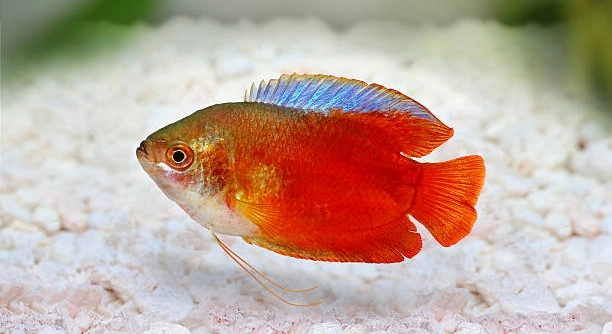
Do you ever find yourself watching your gourami swim in their own world, ignoring the other fish in your tank completely?
Gourami often ignore other tank mates due to their independent nature, territorial behavior, or comfort with a specific area of the tank. This is typically normal and not a cause for concern unless aggression or stress is observed.
Understanding this behavior can help you create a peaceful tank where all species feel safe and balanced.
Why Gourami May Ignore the Rest of the Tank
Gourami are often calm and peaceful, but they can be selective about how they interact with their surroundings. Many prefer to keep to themselves, especially in a new tank or if the environment feels too busy. These fish like familiar spaces and may claim a specific corner or plant as their own territory. If they feel safe in that spot, they might not have much interest in exploring or interacting with other fish. Some gourami also dislike fast-moving or overly active tank mates, and will keep their distance to avoid stress. In community tanks, it’s common to see them hovering quietly near the surface or plants, doing their own thing. This is typical behavior and shouldn’t be alarming unless they stop eating or show signs of illness. By understanding how they prefer to live, you can better support their natural behavior in a shared tank.
A calm tank with low aggression levels often helps gourami feel more at ease and willing to engage.
Gourami also tend to thrive when the tank is well-structured with plenty of hiding places. Their behavior changes depending on how secure they feel. If the tank is too bare or filled with aggressive fish, they will avoid interactions and hide. Water parameters also play a role. Poor water quality or temperature fluctuations can cause stress, making them more withdrawn. In tanks with strong currents or limited surface access, gourami may also stay away from more populated areas. They need room to breathe at the surface, and other fish crowding that space can be frustrating for them. Observing their behavior closely helps you notice if it’s just their usual habit or something more serious. While some may grow more social with time, others stay reserved. Each gourami is a little different, and that’s perfectly fine.
Signs It’s More Than Just a Habit
If your gourami suddenly changes behavior or isolates itself more than usual, it may be reacting to something in the environment.
Look for signs like faded colors, loss of appetite, labored breathing, or hovering near the bottom for long periods. These can mean that the fish is stressed or not feeling well. Even if they’re typically reserved, sudden changes can signal that something is off. Poor water quality, temperature swings, or new tank mates can all affect how gourami act. Take a few moments to check the tank’s filter, test the water, and watch how the other fish behave. Sometimes another fish might be nipping at your gourami when you’re not watching closely. If needed, isolate the gourami temporarily to see if their condition improves in a stress-free space. Keeping their environment quiet, clean, and consistent helps bring out their more relaxed, natural behavior over time. Addressing small issues early often prevents bigger problems down the line.
How Tank Setup Affects Gourami Behavior
Tank layout can make a big difference in how gourami behave. A tank that’s too open or too crowded may cause them to stay hidden or become more isolated.
Gourami need calm spaces with soft lighting, slow water flow, and places to hide. Floating plants and vertical decorations give them shelter and surface access, which they prefer. Without these, they may become stressed or inactive. A peaceful tank setup encourages them to explore more. Keep aggressive or fast-swimming fish away, as they can make gourami uncomfortable. Choose tank mates with similar temperaments and create defined areas with plants or decorations so fish aren’t forced to compete for the same spaces. When the environment feels balanced, gourami are more likely to show their natural, relaxed behavior.
Proper filtration and temperature control are also important. Gourami prefer warm water with consistent conditions. Sudden changes in temperature or poor filtration can lead to stress, making them withdraw. Make sure the tank stays between 75–82°F with minimal fluctuation. Water should be kept clean but not too turbulent. Strong filters may disrupt the calm water they prefer. Consider using sponge filters or directing flow toward tank walls. It’s also helpful to check the surface area—gourami breathe from the surface, and having open access without obstruction helps them stay healthy and active. Small changes in setup often lead to big improvements in behavior.
Feeding Behavior and Social Patterns
Gourami often eat slowly and may avoid food if other fish are too fast or aggressive during feeding time. This can cause them to stay away more often.
Feeding time is a good chance to watch how your gourami interacts with others. If they stay back or avoid food, it might be because they feel pushed aside. You can try feeding at multiple spots in the tank or distracting faster fish with floating food. Some gourami prefer floating pellets or flakes, so it’s best to use food that stays near the surface. Watch how they react during meals—this will show you how comfortable they are in the tank. Feeding them calmly and away from competition gives them a better chance to eat well and stay healthy.
Socially, gourami can be shy, especially if they’re kept with too many active or larger fish. Males may become territorial, especially in small tanks or when there’s not enough cover. This can lead to more isolation or even chasing other fish. In community tanks, it’s important to keep the group balanced. One male and a few females usually work best. Overcrowding makes it hard for them to claim space without stress. Each gourami has its own comfort zone, and giving them enough room helps reduce tension. When they feel secure, they may become more curious and begin to interact more with their surroundings.
Stress Factors That Lead to Isolation
Noise, sudden movements, and bright lights near the tank can cause stress. Gourami may respond by hiding more or ignoring other fish altogether. Keeping their space calm and stable helps prevent this kind of reaction.
Poor water quality is another major cause of stress. High ammonia or nitrite levels can make gourami feel unwell and withdrawn. Regular testing and water changes are important.
When to Step In
If your gourami stops eating, shows faded color, or hides constantly, it may be time to act. Look for changes in tank conditions, new decorations, or recent additions to the tank. Sometimes, isolating the gourami in a separate tank for a short time helps them recover. Treat any signs of illness right away and avoid making too many changes at once. Keep feeding schedules consistent and limit loud noises around the tank. If other fish are bullying your gourami, consider rehoming or moving them. A peaceful, stable tank is the best way to help your gourami feel safe and re-engage with the rest of the tank.
What to Expect Over Time
As long as the tank is balanced and peaceful, many gourami become more social with time. Patience and routine are key.
FAQ
Why do gourami ignore other fish in the tank?
Gourami are naturally peaceful but can be somewhat independent. They often focus on their own territory and may not show much interest in other fish. This behavior is common when they feel safe and comfortable in a particular spot. Sometimes, they avoid interaction to reduce stress, especially if tank mates are very active or aggressive.
Is it normal for gourami to hide a lot?
Yes, gourami do enjoy hiding places. They feel safer when they have plants, caves, or other decorations to retreat to. Hiding often helps them feel secure, especially if the tank has new fish or changes. However, if they hide all the time and stop eating, it may be a sign of stress or illness.
How can I encourage my gourami to be more social?
Creating a calm and well-structured tank is important. Add plenty of plants and decorations so gourami can explore without feeling exposed. Avoid keeping too many fast or aggressive fish. Feeding in multiple spots can help gourami feel comfortable approaching during meal times. Consistent water quality and stable temperature also improve their confidence.
Can gourami get along with other fish?
Gourami usually do well with peaceful, slow-moving tank mates. Avoid aggressive or very active species that may intimidate them. Small tetras, rasboras, and peaceful catfish are often good companions. Make sure the tank is large enough to give each species space, reducing competition and stress.
Why does my gourami ignore food sometimes?
This can happen if other fish eat quickly or if the gourami feels nervous during feeding. Try feeding floating pellets or flakes near where gourami likes to stay. Feeding smaller amounts more often and spreading food around the tank can help. It’s also important to check water quality, as poor conditions may reduce appetite.
What tank conditions do gourami prefer?
Gourami thrive in warm water between 75 and 82°F with a pH of 6.0 to 7.5. They prefer slow to moderate water flow and a well-planted tank with places to hide. Good filtration is important, but strong currents can stress them. Regular water changes help maintain quality and keep them healthy.
How do I know if my gourami is sick?
Signs of illness include loss of color, clamped fins, lethargy, gasping at the surface, or not eating. Watch for spots, wounds, or unusual swimming patterns. If you notice these symptoms, test water parameters and consider isolating the fish for treatment. Early care improves chances of recovery.
Can gourami become territorial?
Male gourami can be territorial, especially during breeding or in smaller tanks. This may cause chasing or aggressive behavior toward other males or similar species. Providing plenty of hiding spots and space reduces tension. Sometimes, keeping one male with multiple females helps balance the tank.
Should I isolate my gourami if it’s ignoring others?
Isolating is only necessary if the gourami shows signs of illness or is being bullied. Otherwise, ignoring others is normal behavior. If isolation is needed, use a quarantine tank with similar water conditions and minimal stress. After recovery, slowly reintroduce the gourami to the community tank.
How important is tank size for gourami behavior?
Tank size matters a lot. Gourami need enough space to swim freely and claim their own territory. Overcrowded tanks increase stress and cause withdrawal or aggression. A minimum of 20 gallons is recommended for one gourami, with more space needed for multiple fish or mixed species tanks.
What are good tank mates for gourami?
Good tank mates include peaceful fish like neon tetras, Corydoras catfish, and small rasboras. Avoid fin-nippers and large aggressive fish that may intimidate gourami. Consider similar water and temperature needs when choosing companions to keep everyone comfortable.
How often should I clean my gourami’s tank?
Regular maintenance is key. Partial water changes of 20-30% weekly help keep water clean and healthy. Remove uneaten food and waste to prevent buildup. Clean filters regularly but avoid disturbing beneficial bacteria too much. A clean tank reduces stress and supports your gourami’s wellbeing.
Can gourami recognize their owners?
Gourami may recognize feeding routines and approach when they see you near the tank. They respond to familiar sounds and movement, but they are less interactive than some other fish. This behavior shows they can learn patterns but tend to remain independent overall.
Do gourami need a specific diet?
Gourami are omnivores and do well on a varied diet. High-quality flakes or pellets designed for tropical fish work well. Supplement with live or frozen foods like brine shrimp, bloodworms, or daphnia for extra nutrition. Avoid overfeeding and remove leftovers to keep water quality high.
What causes gourami to breathe rapidly?
Rapid breathing or gasping at the surface often signals low oxygen levels or poor water quality. It can also indicate stress or illness. Check tank parameters, improve aeration if needed, and watch for signs of disease. Prompt action helps prevent serious problems.
How long do gourami typically live?
With proper care, gourami can live between 4 to 6 years, sometimes longer. Maintaining stable water conditions, a balanced diet, and a peaceful environment supports their health and longevity. Regular observation helps catch issues early, extending their life in your tank.
Gourami are naturally calm and sometimes independent fish. It is normal for them to ignore other fish or stay in one part of the tank. This behavior does not always mean there is a problem. Many gourami simply prefer to spend time in quiet, safe areas where they feel comfortable. When they have enough hiding spots and a peaceful environment, they are less likely to feel stressed or threatened. This helps them stay healthy and relaxed in the tank. Watching how they behave over time can give you clues about their well-being.
Tank setup plays a big role in how social or isolated gourami will be. They do best in tanks with plants, gentle water flow, and plenty of places to hide. These features let gourami explore without feeling exposed. It is also important to keep the water clean and at a stable temperature. Changing water conditions or overcrowding can make gourami nervous and cause them to hide more. Feeding habits are another factor. Gourami can be shy during feeding times if other fish eat too quickly or are too active. Offering food in different areas or using floating pellets can help gourami feel more comfortable. Overall, giving them a calm and balanced space encourages natural behavior.
If gourami suddenly stop eating or show signs of illness, it is important to act quickly. Changes in color, breathing, or constant hiding may signal stress or sickness. Testing the water and isolating the fish if needed can prevent problems from getting worse. Sometimes, adjusting tank mates or adding more plants improves the situation. Being patient and consistent with care is key to helping gourami thrive. They may take time to become more social, but with the right environment, they usually settle in well. Understanding their needs helps create a peaceful community tank where all fish can live happily.

Hello,
If you enjoy the content that we create, please consider saying a "Thank You!" by leaving a tip.
Every little bit helps us continue crafting quality advice that supports the health, happiness, and well-being of pets around the world, for pets of all shapes, sizes, and species.
We really appreciate the kindness and support that you show us!