
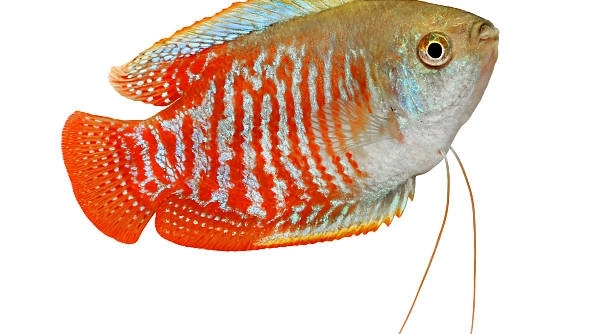
Gouramis are popular aquarium fish known for their gentle nature and unique behaviors. Observing their actions can reveal a lot about their mood and environment. This article highlights key signs of gourami curiosity to help you understand them better.
Gourami curiosity is shown through behaviors like exploring their surroundings, interacting with objects or other fish, changing body posture, and using their sensory barbels. These actions indicate alertness and interest in their environment, reflecting natural instinctual responses.
Recognizing these clues can improve your ability to care for gouramis and create a more engaging habitat that supports their natural behavior and well-being.
Exploring Their Environment
Gouramis often show curiosity by actively exploring their tank. They swim slowly around, checking plants, decorations, and the aquarium glass. This behavior helps them get familiar with their surroundings and spot any changes or new additions. When gouramis are curious, they may linger near areas where you’ve added something new or interesting, like a floating plant or a new rock. Their movements tend to be gentle but deliberate, signaling alertness without stress. You might notice them hovering near corners or peeking under leaves, as if investigating small hiding spots or potential food sources. This exploration is an important part of their natural behavior and keeps them mentally stimulated. If your gourami stops exploring, it could mean it’s feeling unwell or bored. Watching their patterns over time helps you understand when something in the tank environment may need attention or adjustment.
Curious gouramis tend to explore more actively during feeding times or when the tank setup changes.
When gouramis explore, they are using their senses to gather information. This behavior helps them feel safe and comfortable. It’s a sign they are engaged with their habitat and adapting well. Encouraging exploration with varied decorations or live plants supports their natural instincts and helps reduce stress.
Interaction with Tankmates
Gouramis often show curiosity by interacting with other fish or animals in their tank. This interaction can be gentle nudges, following movements, or mirroring actions. It’s a way for them to learn about who shares their space and to establish social bonds or boundaries. They might swim alongside another fish or inspect them closely, showing interest without aggression. Sometimes, curious gouramis display a slight color change or puff up their fins to communicate. These behaviors signal they are paying attention and assessing the situation. Not all gouramis are equally social; some are more reserved, while others actively seek company. Understanding these interactions can help create a peaceful environment where fish respect each other’s space and feel secure. If you notice aggressive chasing instead of gentle curiosity, it might be a sign of stress or territorial behavior needing intervention.
Use of Sensory Barbels
Gouramis use their sensory barbels to explore and understand their surroundings. These small whisker-like appendages help them detect changes in water and nearby objects, showing a clear sign of curiosity.
The barbels are very sensitive and allow gouramis to “feel” their environment. When a gourami moves its barbels around plants or tank decorations, it is gathering information about textures and shapes. This behavior helps the fish decide if something is safe or interesting. It is common to see gouramis slowly brushing their barbels over new items in the tank after a change or addition. These tactile explorations are subtle but important ways gouramis stay connected to their environment.
By observing barbels in motion, you can tell when a gourami is curious or cautious. This behavior reveals how these fish rely on touch as much as sight to navigate their world, especially in low-light or crowded tanks.
Changes in Body Posture
When gouramis become curious, they often change their body posture to signal alertness. They may raise their fins or angle their bodies forward, indicating focused attention on something specific.
This posture helps gouramis get a better view or prepare for closer inspection of an object or another fish. The fins, especially the dorsal and pectoral fins, spread slightly to show interest without aggression. These changes are usually slow and deliberate, distinguishing curiosity from stress or fear responses. Watching these subtle shifts gives clues about how your gourami is feeling at any moment.
Body posture changes can also be a sign that gouramis are ready to interact, explore, or investigate. Learning to recognize these movements can deepen your understanding of their moods and needs in the aquarium.
Following Movements
Gouramis often follow movements in their tank, showing curiosity about what’s happening around them. This can be other fish, your hand near the glass, or drifting plants.
This behavior helps gouramis learn about potential food or changes. They stay alert and ready to respond to their environment.
Inspecting New Objects
Gouramis pay close attention to any new objects placed in their tank. They swim slowly around the item, sometimes touching it with their barbels or body to gather information.
This inspection helps them decide if the new object is safe or interesting, reducing stress and encouraging exploration.
Increased Activity Levels
Curious gouramis usually become more active, swimming around more than usual. This increased movement shows they are engaged and interested in their environment, rather than hiding or resting.
Watching for changes in activity can help you notice when your gourami is curious and alert.
What does it mean when a gourami follows your finger on the glass?
When a gourami follows your finger on the glass, it is showing curiosity and recognition. Gouramis can learn to associate your hand movements with feeding or interesting activity. This behavior means the fish is paying close attention to its environment and is interested in what you’re doing. It’s a positive sign of interaction and trust, showing the gourami is comfortable with your presence. Following your finger can also be a way for the fish to explore without physically leaving its safe spot. This simple behavior indicates the gourami’s alertness and natural instinct to investigate moving objects.
Why do gouramis use their barbels to touch objects in the tank?
Gouramis use their barbels like tiny feelers to explore their surroundings. Touching objects with their barbels helps them gather information about texture, shape, and safety. This sensory behavior is essential in murky water or low-light conditions where vision is limited. It allows gouramis to “sense” their environment beyond sight. When a gourami brushes its barbels over a new plant or decoration, it’s trying to decide if that object is safe or useful. This cautious exploration helps the fish avoid danger and feel more secure. Barbels also help detect movement and changes in water currents, aiding navigation.
How can I tell if my gourami is curious or stressed?
Curious gouramis usually display calm, slow movements and gentle exploration behaviors like inspecting objects or following tankmates. Their fins are relaxed or slightly raised, and they remain alert without rapid or erratic motions. Stressed gouramis, on the other hand, might hide, dart quickly, or show clamped fins. Color changes toward paler or darker shades can also signal stress. When curious, gouramis approach new items or activities with interest rather than fear. Watching their body posture, movement speed, and interaction level helps differentiate curiosity from stress. Providing a stable, enriched environment supports curiosity and reduces stress.
Do gouramis get bored without enough stimulation?
Yes, gouramis can become bored if their environment lacks variety or changes. Boredom may lead to reduced activity, loss of appetite, or hiding. These fish are naturally curious and enjoy exploring plants, decorations, and tankmates. Adding new objects or rearranging the tank periodically encourages mental stimulation and exploration. Live plants, hiding spots, and gentle water movement keep gouramis engaged. Without enough stimulation, they may become less active and show signs of stress. Observing their behavior regularly helps identify boredom and lets you adjust the environment to keep them interested and healthy.
Is it normal for gouramis to change color when curious?
It is normal for gouramis to slightly change color when curious or alert. These changes are usually subtle and temporary, such as brightening or intensifying of their natural hues. Color shifts can help communicate their mood or signal attention to their surroundings. However, drastic or prolonged color changes may indicate stress, illness, or poor water conditions. A curious gourami’s color changes are part of its natural communication and exploration behavior. Observing these shifts in context with other behaviors helps understand their meaning better.
How can I encourage my gourami’s curiosity?
Encouraging gourami curiosity involves creating a safe, stimulating environment. Adding live plants, decorations, and gentle water flow provides new areas to explore. Changing tank layout occasionally keeps things interesting. Providing a varied diet and regular feeding routines also promote alertness. Interacting calmly, like moving your hand slowly near the tank, can stimulate curiosity without causing stress. Avoid overcrowding and maintain good water quality, so gouramis feel secure enough to explore. Encouraging natural behaviors supports their mental and physical health, making your aquarium a lively, engaging place.
Can gouramis become curious about other pets outside the tank?
Gouramis may show interest in pets outside their tank, like cats or small rodents, by following their movements or focusing their gaze near the glass. This curiosity stems from their natural instinct to observe movement and assess potential threats or changes. While they cannot interact directly, this behavior shows their alertness and intelligence. However, sudden or frequent disturbances from outside pets can stress gouramis, so it’s best to create a calm environment around the tank. Observing these reactions helps you understand how external factors affect your fish’s behavior.
What role does curiosity play in gourami health?
Curiosity is an important part of a gourami’s overall well-being. It encourages natural behaviors like exploration, feeding, and social interaction, which contribute to mental stimulation and physical activity. When gouramis are curious, they are usually healthy and comfortable in their environment. A lack of curiosity can signal illness, stress, or poor water conditions. Supporting curiosity by providing an enriched habitat helps prevent boredom and related health problems. It also promotes natural instincts, leading to a happier, more active fish. Monitoring curiosity levels is a good way to assess your gourami’s health regularly.
How do gouramis express curiosity through their swimming patterns?
Gouramis show curiosity by changing their swimming patterns to slower, more deliberate movements when inspecting new objects or tankmates. They may hover near something interesting, circle around, or swim closer in a calm manner. These movements are different from fast, erratic swimming seen during stress or fear. Curious swimming is more exploratory and patient, allowing the gourami to gather information safely. This behavior is often paired with fin spreading and barbel use. Watching for these gentle swimming changes helps you spot when your gourami is engaged and interested in its surroundings.
Final thoughts on gourami curiosity focus on understanding the subtle ways these fish communicate their interest and alertness. Gouramis use a variety of behaviors, such as exploring their environment, interacting with tankmates, and using their sensory barbels, to show curiosity. These actions help them learn about their surroundings and feel secure. Observing these clues can give you insight into your gourami’s mood and needs. Recognizing when your fish is curious rather than stressed or bored helps improve their care and tank setup.
Paying attention to your gourami’s behavior can also improve the overall aquarium environment. When gouramis show curiosity, they tend to be more active and engaged, which is a sign of good health. Providing a varied and enriched habitat with plants, decorations, and clean water encourages natural behaviors and reduces boredom. Small changes, like adding new objects or rearranging decorations, can stimulate their curiosity and keep them mentally sharp. Encouraging exploration and interaction creates a more lively and enjoyable tank for both the fish and the owner.
It is important to remember that each gourami has its own personality and way of expressing curiosity. Some may be more active and outgoing, while others take a quieter, slower approach. Being patient and observant allows you to understand your fish better and respond to their needs appropriately. Supporting their curiosity with a safe and stimulating environment helps promote their well-being and happiness. In the end, knowing how to read these behavior clues will make caring for gouramis a more rewarding experience.

Hello,
If you enjoy the content that we create, please consider saying a "Thank You!" by leaving a tip.
Every little bit helps us continue crafting quality advice that supports the health, happiness, and well-being of pets around the world, for pets of all shapes, sizes, and species.
We really appreciate the kindness and support that you show us!