
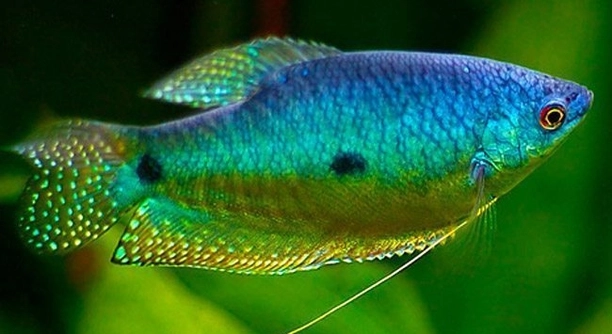
Do your gouramis ever seem to disappear, only to reappear nestled in the oddest corners of their tank, completely still?
Gouramis often sleep in unusual spots such as under leaves, wedged between decorations, behind filters, or even floating motionless near the water’s surface. These spots offer comfort, safety, and a place to rest without disturbance.
These behaviors may seem strange at first, but they’re actually quite normal for gouramis and reveal how they adapt to their environment in interesting ways.
Wedged Behind the Filter
Some gouramis feel safest behind the filter. The constant water flow masks their presence, creating a quiet hiding spot where they can relax. It’s also darker in this area, which helps reduce stress while resting. Many aquarists overlook this space when checking on their fish, which can make it seem like the gourami vanished. But this tucked-away area is often a go-to sleep zone. It’s snug and undisturbed, making it a favorite. Just make sure your filter doesn’t create too strong a current, as that could stress your fish instead of comforting it during sleep time.
It’s easy to miss your gourami behind the filter, especially if it blends in with the background or tank plants.
To support this sleeping behavior, try not to rearrange or block access to this space unless necessary. If you have a strong filter, adding a sponge or flow reducer can help keep the current gentle. This adjustment will make it easier for your gourami to rest without getting pushed around. Regular cleaning of the filter area is also important so that debris doesn’t build up and disturb the fish. Observing your gourami’s routine will help you spot if this becomes their usual sleeping corner, which is perfectly fine and nothing to worry about.
Nestled Between Decorations
Tank decorations like rocks, driftwood, or fake coral can offer perfect little nooks for a gourami to nap in peace.
When gouramis choose these spots, it’s usually because they feel safe and out of sight. These areas create a calm, still place away from stronger currents and tank mates. If you have multiple decorations with small openings, your gourami might even rotate between them depending on their comfort. This is a natural behavior and shows your fish is using its environment wisely. Decorations with soft edges or rounded designs are best to prevent injury. Avoid sharp or rough items, as these can damage their delicate fins while they squeeze in. If you notice your gourami spending more time in these tucked spots, it likely means they trust the space. Watch for breathing patterns—if they’re calm and slow, they’re probably just asleep. Regularly check that no algae or waste builds up in these hiding places to keep them clean and safe.
Resting on Plant Leaves
Gouramis often sleep on broad plant leaves because they offer a soft, still surface. Floating plants like Amazon frogbit or rooted options like anubias work well for this. The gentle sway of the leaves mimics natural motion.
When gouramis settle on plant leaves, they prefer still areas of the tank with low water flow. The leaves offer both cover and support, helping them feel protected during rest. If your tank has live plants, your gourami might return to the same leaf night after night. Even artificial plants can serve the same purpose, as long as they’re soft and non-abrasive. Leaves near the surface can be extra appealing because gouramis are labyrinth fish and need to breathe air. If your gourami is lying still on a leaf with slow gill movement, it’s likely just sleeping and not ill. Just be sure leaves remain clean and free of sharp edges or algae buildup.
Make sure there are enough broad-leaf plants in your tank for your gourami to use. If you notice them circling the same area before resting, they may be testing out different leaves for comfort. Adding tall or floating plants can help recreate their natural environment and reduce stress. Plants also help keep water quality high by absorbing waste and offering hiding places. If your gourami seems to rest better after a plant addition, that’s a sign they’re benefiting from the cover. Watch for leaf damage or fraying, and replace or trim as needed. A well-planted tank supports both sleep and overall wellness for your gourami.
Floating Near the Surface
Some gouramis float near the surface when they sleep. This helps them breathe easier, as they rely on their labyrinth organ to gulp air. Still water and dim lighting make this a calm place for resting.
This position can look strange, but it’s normal behavior. As long as your gourami isn’t gasping or tilting oddly, floating near the top during rest is nothing to worry about.
Hiding in Tank Corners
Corners feel safe because they’re quiet and less exposed. Gouramis might press into a back corner of the tank to sleep undisturbed. It creates a low-traffic space where they can relax without movement or noise. Keeping the area clear of clutter can make it more inviting.
Resting on the Substrate
Some gouramis nap right on the tank floor. This is often seen in calmer, more relaxed fish. It’s important to watch their posture—if they lie flat but breathe normally, they’re likely just sleeping.
FAQ
Is it normal for my gourami to sleep a lot?
Yes, it’s completely normal. Gouramis, like most fish, rest at different times of the day and night. If your gourami sleeps more often than usual but still eats well, swims normally when active, and shows no signs of stress or illness, there’s no reason to worry. Sleep habits can change slightly with age, tank conditions, or stress levels. Just make sure your tank is clean, stable, and not too bright, as these things can affect how much your gourami rests. Overactive lighting or lack of hiding spots might even keep them from sleeping well.
Why does my gourami look dead when it sleeps?
Gouramis can appear very still while sleeping, sometimes resting on the substrate or floating near the surface. Their fins may stop moving, and they might lie at an angle or press against plants or decorations. As long as you see regular gill movement and they respond when disturbed, they’re likely just asleep. It’s easy to mistake deep rest for something more serious, but if your water conditions are healthy and your gourami behaves normally when awake, there’s no need for concern. Always check water parameters to rule out anything harmful just in case.
Do gouramis need total darkness to sleep?
Not total darkness, but they do need a period of reduced light to rest properly. Leaving aquarium lights on 24/7 can cause stress and disrupt sleep. A regular light schedule that mimics natural day and night cycles works best. Try using a timer to turn the light off for at least 8–10 hours at night. If the room has ambient lighting, that’s usually enough. You don’t need pitch black conditions. Just avoid sudden lighting changes or bright lights during their usual sleep time, as this can startle them and interrupt their rest.
Can stress affect where my gourami sleeps?
Yes, it definitely can. A stressed gourami may hide more often, sleep in odd spots, or become less active. Things like aggressive tank mates, too much noise, bright lights, or unstable water parameters can make them feel unsafe. As a result, they may pick sleep spots that are more hidden or unusual. Some might even stop using their usual sleep areas altogether. To help reduce stress, maintain clean water, keep a steady tank temperature, and offer hiding places like plants and decorations. Peaceful tank mates also help your gourami feel secure enough to sleep in open spaces.
Should I worry if my gourami changes sleep spots often?
No, that’s usually normal. Gouramis are curious and can switch sleeping spots from time to time, depending on what feels safest or most comfortable. They may test different areas to avoid current, stay warm, or feel more hidden. Frequent changes are only a concern if they happen along with other issues like hiding during the day, clamped fins, or lack of appetite. In that case, check your water quality and tank setup. But if your gourami seems healthy otherwise, they’re probably just exploring. Offering several calm resting spots will let them pick the one they like best.
Do gouramis sleep with their eyes open?
Yes, gouramis sleep with their eyes open. Fish don’t have eyelids, so they can’t close their eyes like humans do. When gouramis sleep, they enter a state of stillness with slower movements and lowered responsiveness. It may look like they’re awake, but they’re just resting. Watch for signs like hovering in place, reduced fin movement, and calmer gill activity. These are the best ways to tell if your gourami is sleeping. Don’t tap the glass or poke them to check—they’ll wake up suddenly, and that can cause stress.
How can I tell if my gourami’s sleeping or sick?
It can be tricky, but there are key differences. A sleeping gourami will breathe slowly, stay in one spot, and return to normal activity after a while. A sick fish might breathe heavily, float awkwardly, have clamped fins, or lose color. Sick fish also tend to avoid food and may isolate themselves for long periods. Watch your gourami closely—if it’s just resting and then resumes normal swimming and feeding, it’s likely just asleep. But if you see changes in appetite, posture, or color, it’s worth testing your water and observing more closely.
Final Thoughts
Gouramis have many interesting habits, and the way they sleep is one of them. They don’t just rest in one place—they pick all kinds of quiet, hidden spots around the tank. Some prefer floating gently near the surface, while others tuck themselves behind filters, rest on soft leaves, or even settle near the bottom. These sleeping choices are usually based on comfort, safety, and how peaceful the environment feels to them. Once you understand these habits, it becomes easier to recognize when your gourami is simply resting and not behaving strangely. Sleep is a normal part of their daily life, and the more secure they feel in their tank, the more natural their sleep will look.
Keeping your gourami healthy starts with making sure the tank supports these behaviors. That means offering calm spaces, gentle lighting, good water quality, and peaceful tank mates. A tank with soft plants, smooth decorations, and gentle water flow gives your gourami the chance to choose the spot that feels just right for rest. Avoid sudden changes to the tank, loud sounds near the aquarium, or bright lights at night, as these can make your gourami feel anxious. When the environment is stable, your fish will fall into a routine that includes regular periods of quiet rest, often in those odd little corners that might go unnoticed at first.
It’s always a good idea to watch your gourami’s body language and sleeping habits, especially if you notice changes. Sleeping in unusual spots is normal, but if paired with signs of stress, poor appetite, or dull color, it could mean something more serious. Still, in most cases, finding your gourami wedged in a decoration or resting on a plant isn’t a cause for concern. It’s simply part of how they feel safe. By understanding their sleep preferences, you’ll not only learn more about their personality but also provide a better, more relaxing home. Observing your gourami’s sleep behavior can even be a peaceful, rewarding part of fishkeeping. It shows that your care is helping them feel calm and comfortable.

Hello,
If you enjoy the content that we create, please consider saying a "Thank You!" by leaving a tip.
Every little bit helps us continue crafting quality advice that supports the health, happiness, and well-being of pets around the world, for pets of all shapes, sizes, and species.
We really appreciate the kindness and support that you show us!