
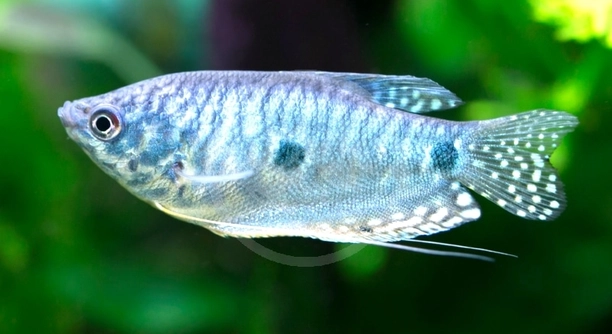
Gouramis are popular freshwater fish known for their peaceful nature and unique behaviors. They live in quiet environments but still respond to different sounds around them. Understanding their reactions can help fishkeepers care for them better.
Gouramis respond differently to seven specific sounds due to variations in their sensory systems and environmental adaptations. Each sound triggers distinct neurological and behavioral responses, reflecting the fish’s natural instincts and survival mechanisms in their habitats.
Knowing how these sounds affect gouramis can improve aquarium care and deepen our understanding of their behavior patterns. This insight benefits both hobbyists and researchers interested in aquatic life.
How Gouramis Hear Different Sounds
Gouramis have a unique way of detecting sounds through their inner ears and lateral line system. The inner ear helps them sense vibrations in the water, while the lateral line detects changes in water pressure around them. These two systems work together, allowing gouramis to pick up different sound frequencies. Some sounds are sharp and sudden, while others are soft or continuous. Because their hearing is adapted to underwater environments, they don’t respond the same way humans do to noise. When a sound is near their habitat, gouramis may show curiosity, stress, or calmness depending on what the sound means in their natural setting. For example, sounds that mimic predators may cause them to hide, while gentle water movements may soothe them. This natural variation in response helps gouramis survive and stay comfortable in aquariums and the wild.
Their hearing system is sensitive, yet selective, allowing gouramis to focus on important sounds while ignoring irrelevant noise.
Understanding their hearing helps us create better environments for gouramis to thrive, reducing their stress and encouraging natural behavior.
Different Sounds and Their Effects on Gouramis
Gouramis react uniquely to seven specific sounds based on their type and intensity.
These sounds include tapping, clapping, water splashing, low hums, high-pitched tones, sudden bangs, and continuous noises. Each sound triggers a different response due to the fish’s instincts and sensory limits. For example, tapping may cause alertness, while a soft hum can be calming. Sudden bangs often startle them, making them swim quickly or hide. Water splashing might remind them of rain or movement in their habitat and can cause curiosity or mild stress. High-pitched tones may confuse gouramis, as these sounds are uncommon in their environment. Continuous noises can either become background sounds they ignore or increase stress if too loud. Knowing these responses helps keep gouramis comfortable and healthy by minimizing stressful noises and providing a peaceful aquarium setting.
Why Some Sounds Cause Stress
Certain sounds can trigger stress in gouramis because they signal danger or disruption. Sudden loud noises, like banging on the tank or loud clapping, startle them. These sounds activate their natural fight-or-flight instincts, making them anxious and nervous.
Stressful sounds cause a release of hormones like cortisol in gouramis, which affects their immune system and overall health. If these sounds happen frequently, gouramis may show signs of fatigue, loss of appetite, or hiding. The more unpredictable and loud the noise, the stronger the stress response. Over time, constant stress can lead to weakened defenses against disease and reduce the fish’s lifespan. Keeping the environment calm and minimizing harsh noises helps maintain their well-being and encourages normal behavior.
Reducing stress by managing sounds benefits not only gouramis but also other tank inhabitants, creating a balanced and peaceful aquarium environment.
Sounds That Encourage Interaction
Soft sounds, such as gentle tapping or low humming, can encourage gouramis to explore and interact with their surroundings. These noises mimic natural water movements and help gouramis feel safe.
When gouramis hear soft, rhythmic sounds, they often come out of hiding and swim around more actively. These sounds signal a calm environment, making the fish more confident and curious. This increased activity is a sign of comfort and good health. Encouraging interaction with gentle sounds can improve the connection between the fish and their keeper. It also helps keep the gouramis mentally stimulated, which is important for their well-being in a captive environment. Using sound wisely can create a lively and engaging tank without causing stress or fear.
The Role of Water Quality in Sound Perception
Water quality affects how gouramis perceive sounds. Clear, clean water allows sounds to travel more naturally, while dirty or stagnant water can distort sound waves. This changes how gouramis react to noises in their environment.
Poor water conditions can increase stress, making gouramis more sensitive to loud or sudden sounds. Maintaining good water quality helps them respond calmly to everyday noises and keeps their hearing sharp.
How Tank Setup Influences Sound
The size and shape of the tank affect sound transmission. Larger tanks can muffle sounds, while smaller tanks may amplify noises. Decorations and plants also absorb or reflect sound waves, changing how gouramis experience their surroundings.
Choosing the right tank setup can help reduce unwanted noise and create a more peaceful environment for gouramis.
Training Gouramis to Sounds
Gouramis can learn to associate certain sounds with feeding or other routines. Repeating soft tapping or a gentle call before feeding helps them recognize these sounds as positive signals. This training encourages interaction and reduces anxiety.
Consistent sound cues improve communication and strengthen the bond between gouramis and their caretaker.
Avoiding Harmful Noises
Keeping sudden, loud noises away from the aquarium is essential. Loud bangs or vibrations can scare gouramis and disrupt their natural behavior. Creating a calm sound environment supports their health and happiness.
FAQ
Why do gouramis react differently to sounds than other fish?
Gouramis have a more developed labyrinth organ that helps them breathe air, which also affects how they sense vibrations and sounds. Their hearing is tuned to pick up specific underwater noises related to their environment, such as water movement or predator signals. This makes their reactions more varied compared to fish without this organ.
Can loud sounds harm gouramis physically?
Loud sounds themselves don’t cause physical damage to gouramis, but they can cause stress, which weakens their immune system. Prolonged exposure to loud noises can lead to health problems, like slower healing, infections, or even reduced lifespan. Avoid sudden and continuous loud sounds around the tank to protect their well-being.
How can I tell if a sound is stressing my gourami?
Signs of stress include hiding more than usual, frantic swimming, loss of appetite, and clamped fins. If your gourami reacts strongly to certain noises, such as darting away or freezing, it likely finds those sounds stressful. Observing their behavior closely after different noises will help identify stress triggers.
Are all gouramis sensitive to the same sounds?
Not all gouramis react the same way. Differences in species, age, and individual temperament affect how they respond. Younger gouramis might be more sensitive, while older ones get used to certain sounds. Species like dwarf gouramis may be more reactive to sudden noises than larger varieties.
Can I use sounds to train my gouramis?
Yes, gouramis can learn to associate sounds with feeding or other activities. Using gentle tapping or a soft call before feeding helps them recognize these cues. Over time, this builds trust and encourages the fish to come closer when they hear those sounds, improving interaction without causing stress.
Should I use a sound machine or music for my gouramis?
Most gouramis do better with natural or quiet sounds rather than music or artificial noise. Loud or complex sounds can confuse or stress them. Soft, gentle water sounds or quiet humming can be calming. If you use music, keep the volume low and observe your fish’s reactions carefully.
How does water movement affect sound perception in gouramis?
Water movement creates vibrations that gouramis sense through their lateral line system. Gentle, steady water flow usually calms them, while sudden splashes or waves can startle them. Because they rely on water vibrations for communication and safety, sudden changes in water movement sound can cause varied responses.
What can I do to reduce harmful sounds around my aquarium?
Place the aquarium away from noisy appliances, heavy foot traffic, or loud electronics. Use thick mats or padding under the tank stand to reduce vibrations. Covering the tank with a hood can also help block outside noise. Creating a quiet, stable environment protects gouramis from unnecessary stress.
Do gouramis get used to sounds over time?
Many gouramis do adapt to frequent, non-threatening sounds. Regular, predictable noises become part of their environment, and they learn to ignore them. However, sudden, loud, or irregular noises usually remain stressful no matter how often they occur, so minimizing those is important.
Can sounds affect gouramis’ breeding behavior?
Yes, certain sounds can impact breeding. Calm, quiet environments encourage spawning and nurturing of eggs, while loud or stressful noises can disrupt mating rituals or cause parents to abandon their nests. Keeping the tank peaceful supports natural breeding behaviors.
Is it normal for gouramis to be more active when they hear certain sounds?
Yes, gouramis may become more curious and active when hearing gentle or familiar sounds. This behavior shows they feel safe and interested. Activity can include swimming around, exploring the tank, or coming close to the source of the sound, indicating comfort and engagement.
What types of sounds should I avoid near my gourami tank?
Avoid sudden bangs, loud clapping, heavy footsteps, and high-pitched noises near the aquarium. These sounds can trigger fear and cause stress responses. Continuous loud noise from speakers or machinery should also be kept away to maintain a calm atmosphere for your gouramis.
How does tank size influence gouramis’ reactions to sound?
Smaller tanks can amplify sounds and vibrations, making gouramis more sensitive to noise. Larger tanks disperse sounds more evenly, which often reduces stress. When possible, provide a spacious tank with decorations that absorb sound to help gouramis feel secure.
Can gouramis hear human voices?
Gouramis can detect vibrations created by human voices, especially low tones and vibrations close to the tank. They might respond to familiar voices if the sound is gentle and consistent. Speaking softly near the tank can sometimes encourage interaction without causing stress.
What role do decorations play in sound management?
Plants, rocks, and other decorations absorb or block sound waves, helping to reduce harsh noises and vibrations inside the tank. These elements create a more natural, peaceful environment for gouramis and provide hiding spots that help reduce stress from sudden sounds.
How often should I monitor my gouramis’ reaction to sounds?
Regular observation is key. Notice changes in their behavior when new sounds occur or when routine noises increase. Checking their responses daily helps you adjust the environment to keep stress low and maintain healthy fish. Small changes can have big effects on their comfort.
Understanding how gouramis respond to different sounds is important for anyone who keeps these fish. Gouramis rely on their hearing and sensing vibrations to stay aware of their surroundings. Sounds in their environment can trigger various reactions, from curiosity to stress. Knowing which sounds affect them positively or negatively helps create a better living space. This knowledge supports their health and natural behavior, making it easier to care for them in an aquarium.
Gouramis are sensitive to loud or sudden noises because these can signal danger in the wild. When exposed to frequent loud sounds, they may become stressed, which harms their immune system and overall well-being. On the other hand, gentle and familiar sounds often encourage gouramis to be more active and interactive. These fish can even learn to associate certain sounds with feeding or daily routines, which strengthens the bond between the fish and their keeper. Managing sound carefully in and around the tank improves the quality of life for gouramis.
It is also important to consider the tank setup and water quality, as these factors influence how gouramis perceive sound. Larger tanks with decorations can help reduce the impact of noise by absorbing vibrations. Clean water allows sound to travel naturally, which helps the fish respond calmly. Creating a quiet and stable environment, free from sudden loud noises, will help gouramis thrive. Paying attention to these details ensures the fish feel safe, healthy, and comfortable in their home.

Hello,
If you enjoy the content that we create, please consider saying a "Thank You!" by leaving a tip.
Every little bit helps us continue crafting quality advice that supports the health, happiness, and well-being of pets around the world, for pets of all shapes, sizes, and species.
We really appreciate the kindness and support that you show us!