
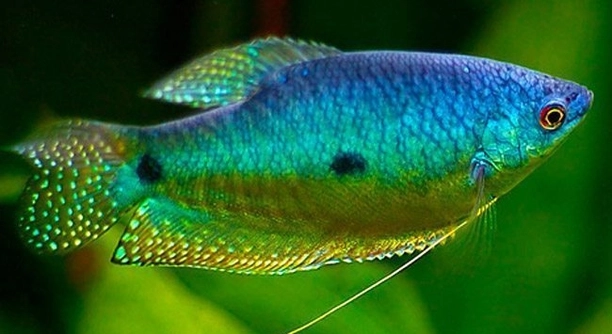
Gouramis are popular freshwater fish known for their calm nature and vibrant colors. Many hobbyists keep them in home aquariums to enjoy their gentle presence. Observing their behavior can be both relaxing and fascinating.
Gouramis often guard specific areas within a single tank, establishing territories to protect resources such as food, shelter, or breeding sites. This territorial behavior helps reduce conflicts and ensures their safety in a shared environment.
Understanding gouramis’ guarding habits can help you create a peaceful tank setup. It also guides you in managing their space for a healthier aquarium environment.
How Gouramis Choose Their Territory
Gouramis pick a spot in the tank that offers them comfort and safety. This area usually has plenty of hiding places like plants or decorations, where they can feel secure from other fish. They prefer spots close to food sources or near the surface where they can breathe air easily. When a gourami finds a good area, it will stay there most of the time, patrolling and watching for any intruders. This behavior helps the fish reduce stress because it knows its space is safe. Sometimes, the gourami will build bubble nests in its territory, especially during breeding season. This makes the area even more important, as it becomes a home for their eggs and young. Understanding these preferences allows aquarium keepers to arrange the tank in ways that respect the gourami’s need for space and comfort.
Territory choice depends mostly on shelter availability and proximity to food.
Giving gouramis plenty of plants and hiding spots in different parts of the tank reduces conflicts. It also encourages natural behavior, which is good for their well-being. By observing where your gourami spends most of its time, you can learn more about its comfort zones and adjust the environment accordingly. This attention to their preferences creates a more balanced tank where gouramis and other fish coexist peacefully. Avoid overcrowding the tank, and offer multiple feeding areas to prevent competition. When gouramis feel safe in their chosen territory, they show calmer and healthier behavior. This care helps them thrive and makes watching them more enjoyable.
Signs of Gourami Guarding Behavior
Gouramis show guarding by chasing away other fish from their chosen spot. This behavior is more common in males, especially when they build bubble nests. They may flare their fins and make themselves look bigger to warn others. This guarding keeps their area free from intruders and protects their food and eggs. If you notice your gourami staying in one place and acting aggressive toward nearby fish, it is likely guarding its territory. This behavior is normal and means the fish is comfortable enough to defend its space. Recognizing these signs helps you understand how gouramis interact within the tank.
Gouramis defend their space by chasing and flaring fins.
Sometimes, this guarding can cause stress for other fish, especially if the tank is too small. It is important to provide enough room and hiding places so other fish can avoid the guarded area. When the tank environment supports natural territories, aggression is less frequent. You can also rearrange decorations to break sight lines between gouramis, reducing territorial disputes. Knowing these signs of guarding behavior helps in managing tank mates and tank setup for harmony. Overall, giving gouramis room to guard their area calmly improves the entire aquarium’s health and atmosphere.
Managing Gourami Territorial Behavior
Keeping gouramis in a properly sized tank helps reduce territorial stress. A larger space allows each fish to claim its own area without constant confrontation. Providing plenty of plants and decorations creates natural barriers that gouramis use to mark their territory and feel secure.
To manage territorial behavior, ensure the tank is at least 20 gallons for one gourami, adding more space for additional fish. Plants like java fern and floating species help gouramis hide and reduce visibility between rivals. Also, placing multiple feeding spots around the tank prevents fights over food. Rearranging decorations periodically can break established territories and lower aggression. Observing your gouramis’ behavior regularly allows you to notice if conflicts arise and adjust the environment promptly. This proactive approach supports a calmer tank where gouramis feel safe without unnecessary stress.
Monitoring fish health is important because constant stress from territorial disputes weakens their immune systems. By creating a peaceful environment with enough space and hiding places, you encourage natural, less aggressive behavior. This balance helps all tank inhabitants coexist comfortably.
Introducing Tank Mates with Gouramis
Choosing compatible tank mates reduces tension in a gourami’s territory. Peaceful, non-aggressive species that do not compete for the same space or food work best. Avoid fin-nippers or overly active fish, which can provoke guarding behavior.
Small tetras, rasboras, and peaceful bottom dwellers are good companions. Introducing new fish slowly and observing interactions helps prevent sudden conflicts. Keep the tank environment varied with plants and caves, giving all fish options to escape or hide. This setup encourages harmony and reduces stress. Proper tank maintenance and feeding routines also support good relations between gouramis and their tank mates.
Common Triggers for Gourami Guarding
Changes in tank layout can trigger guarding behavior. Rearranging decorations or adding new plants makes gouramis re-establish their territory.
Introducing new fish or feeding changes may also cause gouramis to become more protective. Stability helps reduce these triggers and keeps gouramis calm.
How to Calm an Aggressive Gourami
Reducing aggression starts with providing enough space and hiding spots. Keeping water conditions stable lowers stress and discourages territorial fights.
If aggression continues, consider separating the gourami temporarily. Sometimes, a break helps fish reset their behavior and calm down.
Feeding Gouramis in a Shared Tank
Feed gouramis small amounts multiple times a day. This reduces competition and prevents guarding around feeding areas.
Bubble Nesting and Territory
Bubble nests are signs of territory during breeding. Males guard the nest carefully until eggs hatch.
Why do gouramis guard specific areas in a tank?
Gouramis guard areas to protect important resources like food, shelter, or breeding sites. This territorial behavior helps reduce fights by clearly marking where they feel safe. It is natural for gouramis, especially males, to defend their chosen spots to maintain comfort and control. Guarding also helps them protect bubble nests during breeding season, ensuring the safety of their eggs and young. When gouramis have clear territory, they feel less stressed and display healthier behavior in the aquarium.
How can I tell if my gourami is guarding its territory?
Guarding gouramis often stay in one spot and chase away other fish that get too close. They may flare their fins, puff up, or make themselves look bigger to warn others. These signs show the gourami is protecting its space. You might notice increased activity around plants, decorations, or bubble nests. Sometimes the fish seems more aggressive or restless near the guarded area. Watching your gourami’s behavior closely will help you recognize these patterns and understand its needs better.
What size tank is best to prevent territorial fights?
A minimum tank size of 20 gallons is recommended for one gourami. If you plan to keep multiple gouramis or other fish, increase the space accordingly. More room means each fish can have its own territory without constant conflicts. Larger tanks also allow for more plants and decorations, which create natural barriers and hiding spots. This setup reduces the chance of territorial disputes and keeps the fish calmer and healthier.
Can tank mates affect a gourami’s guarding behavior?
Yes, the type of tank mates can influence how much a gourami guards its space. Peaceful, non-aggressive fish that don’t compete for the same resources usually reduce guarding behavior. However, aggressive or overly active fish may cause the gourami to become more protective. Choosing compatible tank mates like small tetras, rasboras, or bottom dwellers helps maintain a peaceful environment and lowers territorial stress.
What should I do if my gourami becomes too aggressive?
If aggression is a problem, first check if the tank is large enough and has enough hiding spots. Adding more plants or decorations can help break up territories and reduce fights. Keeping stable water conditions and feeding multiple times a day also lowers stress. If aggression continues, temporarily separating the aggressive gourami may be necessary. This break allows the fish to calm down and reset its behavior before rejoining the tank.
Why do gouramis build bubble nests, and how does it relate to guarding?
Male gouramis build bubble nests as part of their breeding process. The nest acts as a safe place for eggs and fry. During this time, males become very territorial and guard the nest carefully. They chase away other fish to protect their future offspring. This guarding behavior is natural and temporary but can increase aggression in the tank. Providing enough space and hiding spots helps reduce tension during nesting periods.
How often should I feed gouramis to minimize guarding at feeding times?
Feeding small amounts multiple times a day is best. This routine reduces competition and lowers guarding around food. Offering food in several spots in the tank also helps prevent fights. Gouramis are less likely to guard a single feeding area if they don’t feel hungry or threatened. Consistent feeding habits promote calm behavior and better health.
Will rearranging the tank decorations affect my gourami’s guarding?
Yes, rearranging the tank can cause gouramis to re-establish their territories. Changes in plants or decoration positions may trigger guarding as the fish tries to claim its space again. To reduce stress, rearrange slowly and avoid frequent changes. Giving the gourami time to adjust helps maintain peace. When done carefully, rearranging can even reduce aggression by breaking sight lines and creating new hiding spots.
Gouramis are interesting fish because of their natural tendency to guard certain areas in a tank. This behavior is part of how they feel safe and secure in their environment. When they claim a spot, it often has good hiding places, food nearby, or a bubble nest for breeding. Understanding this helps aquarium owners set up their tanks better, giving gouramis space to feel comfortable. When gouramis have their own space, they tend to be calmer and healthier, which is good for the whole tank community.
Managing gourami guarding behavior requires attention to tank size, decoration, and the types of fish kept together. A larger tank with plenty of plants and hiding spots allows gouramis to establish territories without constant fighting. Adding peaceful tank mates and feeding the fish small amounts several times a day also reduces tension. Sometimes, a little change in decoration or temporarily separating aggressive fish can help lower stress. All these steps contribute to a more peaceful tank where gouramis can display their natural behaviors without causing problems for others.
It is important to watch your gouramis regularly to understand their needs and behavior. Guarding is natural but should not cause harm to other fish or constant stress. By giving gouramis the right environment and managing their space carefully, you help them live happily and peacefully. This care improves the health of all fish in the tank and makes the aquarium a more enjoyable place to watch. Paying attention to these details shows how small changes can make a big difference in your gourami’s life.

Hello,
If you enjoy the content that we create, please consider saying a "Thank You!" by leaving a tip.
Every little bit helps us continue crafting quality advice that supports the health, happiness, and well-being of pets around the world, for pets of all shapes, sizes, and species.
We really appreciate the kindness and support that you show us!