
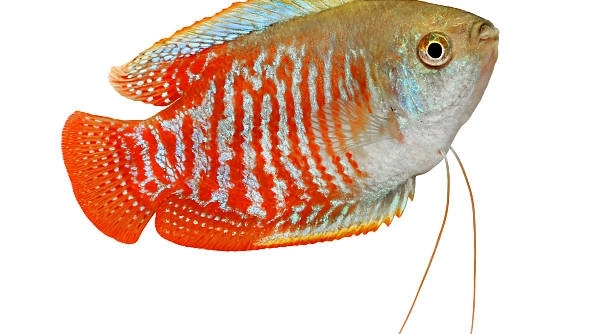
Gouramis are colorful freshwater fish known for their unique behavior when they flare their fins. This flaring is a common sight in many home aquariums and often signals a specific moment in their interactions. Understanding what happens just before this flare can reveal a lot about their communication and mood.
Just before gouramis flare, they exhibit subtle body movements like slight fin spreading and a change in posture. These actions prepare them to appear larger and more intimidating, often in response to other fish or perceived threats. This behavior is an important part of their social signaling and territory defense.
Knowing these signs can help you better understand your gourami’s behavior and improve their care in your aquarium environment. Observing these moments closely adds to the enjoyment of keeping these fascinating fish.
Signs Gouramis Show Before They Flare
Before gouramis flare, they often display specific signs that indicate their mood is shifting. You might notice their body becoming more rigid and fins slowly extending, even before the full flare happens. Their eyes may focus sharply on another fish, and their movements can become deliberate and controlled. This buildup usually occurs when they sense a rival or feel the need to defend their territory. These subtle changes in posture are key indicators that a flare is about to follow. Watching these signs closely helps you understand what your gourami is feeling and anticipating its next move. It’s like they’re sending a quiet message before making their bold display. Knowing these behaviors can improve how you read interactions between your fish and how you manage their tank environment to reduce stress or aggression.
Gouramis’ body language before flaring is clear if you pay attention. They use this as a warning signal.
This early communication allows gouramis to avoid direct conflict when possible. By showing off their size and strength through these small gestures, they can often settle disputes without physical fights. It’s a natural way for them to protect themselves and their space. Understanding these pre-flare cues helps aquarium owners support peaceful tank dynamics by knowing when to give their gouramis space or rearrange tank mates to prevent tension from escalating. Observing these subtle moves enriches your connection with your fish and helps keep the aquarium calm and healthy.
Why Do Gouramis Flare?
Flaring serves mainly as a form of communication among gouramis. It signals dominance or warns others to keep their distance.
Flaring is a defensive behavior. When gouramis flare, they appear bigger to scare off rivals or threats. This action protects their territory and can prevent fights. It’s also a way to attract mates by showing off their strength and vitality. In tanks with multiple gouramis, frequent flaring can indicate competition or stress. Recognizing why your gourami flares can guide you in adjusting tank conditions or fish combinations. Proper space, hiding spots, and compatible companions reduce the need for flaring. This understanding makes your aquarium a more peaceful place and improves the overall wellbeing of your fish. Managing their environment with this in mind ensures your gouramis feel secure and less prone to aggressive displays.
How to Recognize Pre-Flare Behavior
Gouramis often pause and fix their gaze on other fish just before flaring. Their fins begin to spread slowly, and their bodies stiffen.
This behavior signals rising tension. The slow fin spreading and focused stare show the gourami is assessing its surroundings. It is preparing to make itself look bigger if needed. This moment of stillness lets the gourami gather energy for the flare. It is a clear sign they are ready to act if challenged. Watching for this helps you spot when your fish might feel stressed or threatened, giving you a chance to adjust the tank environment or separate aggressive individuals.
Pre-flare body language is a useful indicator of how your gourami feels. It helps prevent surprises and lets you keep peace in the tank. Knowing these signs also makes observing your fish more engaging and informative.
Managing Gouramis’ Flaring in a Community Tank
Flaring can increase stress for all fish in a shared aquarium, so managing it is important
Pre-Flare Triggers
Gouramis usually flare when they feel threatened or when defending territory. Other fish getting too close can trigger this behavior quickly.
Environmental changes, like new tank mates or rearranged decorations, may also cause gouramis to flare more often as they adjust to their space.
How Tank Setup Affects Flaring
A well-structured tank reduces flaring by offering hiding spots and enough space for each gourami. When fish have room to establish separate territories, they are less likely to feel challenged. Plants, rocks, and caves create natural barriers that help reduce stress. Without these, gouramis might flare more to defend their limited space. Proper tank size and environment make a big difference in managing their behavior.
Recognizing Stress in Gouramis
Excessive flaring often signals stress.
When to Separate Aggressive Gouramis
If flaring leads to chasing or fin damage, it’s time to separate gouramis.
FAQ
Why do gouramis flare at their own reflection?
Gouramis often mistake their reflection for another fish, triggering their natural territorial behavior. When they see this “rival,” they flare to look bigger and warn off the perceived threat. This happens more in tanks with smooth glass surfaces. While this behavior is normal, it can stress the fish if it happens too often.
Is flaring a sign of aggression or play?
Flaring is mainly a territorial and defensive behavior, not play. Gouramis flare to assert dominance or protect their space. However, sometimes younger or less experienced gouramis might flare without actual aggression, more like practicing social signals. It’s important to watch their body language after flaring to understand if it leads to fighting or calm behavior.
How often do gouramis flare in a healthy tank?
In a well-maintained aquarium, occasional flaring is normal. It usually happens during feeding times or when new fish enter the tank. Constant or frequent flaring, however, can indicate stress, overcrowding, or incompatible tank mates. If you notice this, check the tank conditions and consider changes to reduce tension.
Can flaring cause harm to gouramis?
Flaring itself doesn’t cause harm, but if it leads to chasing or fighting, injuries can happen. Fin damage and stress are common if gouramis flare too often or aggressively. Providing enough space and hiding spots helps reduce these risks and keeps the fish safer.
Do male and female gouramis flare differently?
Male gouramis tend to flare more often and intensely because they defend territory and compete for mates. Females may flare less but still show this behavior when feeling threatened. Knowing this difference can help you manage tank dynamics better, especially in community tanks with multiple gouramis.
What should I do if my gouramis flare constantly?
Constant flaring usually means stress or territorial disputes. Try increasing tank size, adding more plants or hiding places, or separating aggressive fish. Monitor water quality and ensure proper feeding schedules. Sometimes rearranging tank decorations can break up established territories and reduce aggression.
Does water temperature affect flaring?
Yes, water temperature influences gouramis’ activity levels. Higher temperatures can make them more active and possibly more prone to flare. Cooler water slows them down and may reduce aggressive displays. Keep the tank within the recommended temperature range for your gourami species to maintain balanced behavior.
Can gouramis flare to show dominance without fighting?
Absolutely. Flaring is often a warning meant to avoid actual fights. By making themselves look larger, gouramis signal strength and hope rivals back down. This display maintains social order and usually stops conflicts from escalating.
Is flaring linked to breeding behavior?
Yes, during breeding, male gouramis flare to attract females and defend their nesting sites. This type of flaring is usually more frequent and intense. If you keep breeding pairs, expect more flaring but also watch carefully to prevent injury.
How can I tell if flaring is a normal behavior or a sign of stress?
Normal flaring happens occasionally and is part of social interaction. If your gourami flares all the time, chases other fish, or hides afterward, it’s likely stressed. Look for other stress signs like loss of appetite, dull colors, or lethargy. Adjust the environment or tank mates if stress signs appear.
Does the size of the tank influence flaring?
Smaller tanks increase flaring because fish feel cramped and territorial. Larger tanks give gouramis space to avoid each other and reduce conflicts. Ensuring enough room for each fish helps minimize aggressive displays and promotes healthier behavior.
Can tank decorations reduce flaring?
Yes, decorations like plants, rocks, and caves create visual barriers. These help gouramis establish personal territories and hide if needed. This reduces direct confrontations and lowers the need to flare constantly. Changing the layout occasionally can also help break up aggressive patterns.
Are some gourami species more prone to flaring?
Yes, species like the Three-spot Gourami and Dwarf Gourami tend to flare more because they are territorial. Others might flare less frequently. Knowing your gourami species’ natural behavior helps you prepare the right environment and manage their social needs effectively.
Understanding gouramis and their flaring behavior helps you care for them better. Flaring is a natural way gouramis communicate, mostly to show dominance or protect their space. Watching closely, you can see how they prepare for a flare by changing their posture and spreading their fins slowly. These small actions are important signals that tell you how your fish feels. By noticing these signs, you can create a more peaceful tank environment and reduce stress for your gouramis and other fish.
Managing your aquarium well plays a big role in controlling flaring. Providing enough space, plants, and hiding spots helps gouramis feel safe and less threatened. When fish have their own space and places to retreat, they are less likely to flare aggressively. Tank size also matters—crowded tanks can cause more flaring because fish feel crowded and need to defend their territory. Changing the tank layout sometimes can also help break up aggressive patterns. Understanding your gouramis’ needs and behaviors lets you keep a calm, happy aquarium.
If flaring becomes too frequent or leads to fighting, it’s important to act quickly. Separating aggressive gouramis or adjusting tank conditions can stop injury and reduce stress. Keeping the water clean and at the right temperature supports your fish’s health and balanced behavior. Flaring is just one part of gouramis’ natural communication, but by paying attention to it, you can improve their quality of life. Observing your fish closely will help you catch problems early and enjoy watching their unique behavior in a safe and healthy home.

Hello,
If you enjoy the content that we create, please consider saying a "Thank You!" by leaving a tip.
Every little bit helps us continue crafting quality advice that supports the health, happiness, and well-being of pets around the world, for pets of all shapes, sizes, and species.
We really appreciate the kindness and support that you show us!