
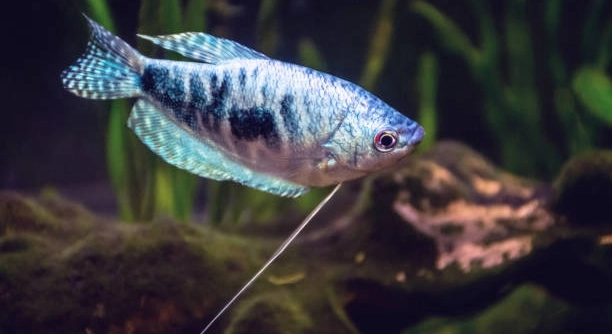
Have you ever moved your gourami to a new tank and noticed they act a little different afterward, almost like they’re adjusting all over again?
Gouramis often show several behavior shifts after changing tanks, such as hiding more, flaring at their reflection, or becoming less active. These changes are typically responses to new environmental factors like water parameters, tank mates, or layout.
From territorial adjustments to subtle signs of stress, understanding these shifts can help you create a smoother transition for your fish.
Increased Hiding and Shyness
After moving to a new tank, gouramis may hide more than usual. This is a natural response to unfamiliar surroundings. New decor, lighting, or tank mates can make them feel uneasy, causing them to seek shelter. It’s their way of adjusting to a new space where they don’t yet feel secure. Even confident gouramis can act shy at first. Their new environment might include different currents or water parameters, which take time to get used to. Offering familiar hiding spots like plants or small caves can help them feel safer and come out more often. Avoid chasing or disturbing them during this phase. Letting them adjust on their own pace is important. Hiding behavior usually decreases after a few days once they begin to recognize the tank as their territory. Patience is key. Sudden movements and loud noises near the tank may slow down the adjustment process.
Some gouramis will wedge themselves between plants or decorations to feel safer. This isn’t usually harmful unless they stop eating or show signs of illness.
In most cases, hiding decreases within a week. If it continues for longer, consider checking water quality or tank mates for potential stress triggers. A calm tank supports their natural curiosity and calm nature.
Aggression Toward Tank Mates
Short-term aggression can start right after the move. Some gouramis act out while figuring out the social order of the new tank.
Aggression can show up as chasing or nipping at other fish. This often happens when gouramis are stressed, unsure about territory, or adjusting to new fish around them. They may feel the need to control space to reduce their anxiety. If the new tank has fewer hiding spots or open areas, they may act more defensively. This behavior can also happen if they were alone before and are now placed with others. Try spreading decorations to break line-of-sight and provide clear boundaries. Rearranging the tank can help reset territorial behavior. It’s also helpful to avoid overcrowding, which raises tension. Some gouramis may calm down on their own, while others need a bit more help. Keep an eye on wounds or stress signs in other fish. If needed, consider a divider until things settle.
Change in Eating Habits
Gouramis might eat less or ignore food completely after a tank move. This isn’t uncommon and usually doesn’t last long. A shift in water chemistry, stress, or unfamiliar surroundings can throw off their appetite for a few days.
When this happens, avoid overfeeding. Extra food will rot and affect water quality, which can stress them more. Try offering their favorite foods in small amounts. Keep feeding times quiet and consistent. Soft lighting and reduced movement around the tank can encourage them to eat. If they don’t respond to dry food, offer frozen or live food to spark interest. Appetite usually returns once they feel comfortable again. Keep testing water parameters to make sure conditions are stable. If they refuse food for more than a week, it may be time to check for illness. But most of the time, they just need a bit of calm to settle down.
Appetite can be linked to comfort. Some gouramis may not eat in front of you at first but will nibble when no one’s around. Watch closely without hovering. If the fish appears alert and active but still avoids food, give it time. Appetite usually returns gradually. Avoid switching foods too often, as this can confuse them further.
Flared Fins and Display Behavior
Flared fins often mean the gourami is trying to establish territory. This behavior is more common in new tanks where boundaries haven’t been set. It can look dramatic but is often harmless as long as no chasing or biting follows.
Displaying like this is how gouramis communicate with each other. They may flash their sides, flare their fins, or swim in exaggerated motions to show dominance or curiosity. In a new tank, they might flare at their reflection, especially if the tank glass is clean and bright. Adding background paper or adjusting lighting can help. This behavior often settles once they’ve chosen their favorite spots. In tanks with multiple gouramis, flaring may happen more often but usually decreases once roles are sorted. Make sure they all have enough space and places to retreat. Watching for signs of stress like clamped fins or fast breathing helps spot if the display is becoming too intense.
Sudden Bursts of Energy
Some gouramis may swim quickly from one side of the tank to the other after a move. This is often a stress reaction or a way to explore their new space. It usually slows down after a few days.
If they’re not bumping into things or gasping at the surface, it’s usually nothing to worry about. Just give them space and keep the tank environment calm and consistent.
Changes in Bubble Nesting
Bubble nesting can stop for a while after a tank move. Male gouramis often pause this behavior when stressed or unsure about their surroundings. Nesting usually starts again once they feel safe and the tank is quiet. If you previously saw regular nests, this change might be temporary. Make sure the water is still, and the surface isn’t disturbed by filters or bubbles. A floating plant can help create the right condition. Once the male feels settled, he may begin nest building again. If nesting doesn’t return after several weeks, check for temperature or tank layout changes that may be affecting his comfort.
Color Fading
Some gouramis lose their bright colors for a short time after moving tanks. This is a stress response and often fades as they become more comfortable. Color usually returns once they feel calm and secure.
How long does it take for a gourami to adjust after moving tanks?
Gouramis usually start adjusting within a few days, but full comfort may take one to two weeks. During this time, they will explore, find hiding spots, and get used to water conditions. Some fish adapt faster, especially if the new tank’s environment is similar to the old one. Patience is key. Avoid frequent changes during this period to reduce stress. Watching their behavior helps gauge progress. When they begin eating normally, swim calmly, and show natural colors, it’s a good sign they’ve settled in.
Why is my gourami hiding more than usual?
Hiding is a natural response to stress or unfamiliar surroundings. After moving tanks, gouramis may feel unsafe and seek shelter to avoid threats. Changes in lighting, tank layout, or new tank mates can increase hiding behavior. Providing plenty of plants and hiding places encourages them to come out gradually. If hiding lasts more than two weeks, check water parameters and tank conditions to rule out illness or ongoing stress. Minimizing loud noises and sudden movements around the tank can also help them feel safer.
Is it normal for gouramis to stop eating after a tank change?
Yes, it is common for gouramis to lose appetite temporarily after a tank move. Stress and new water chemistry affect their eating habits. They might eat less or refuse food for a few days. Offer familiar foods in small portions and keep feeding times consistent. Try live or frozen foods if dry flakes don’t appeal. Avoid overfeeding, which can harm water quality and stress the fish more. If the appetite doesn’t return after a week, consider testing for illness or water problems.
Why does my gourami flare its fins so much in the new tank?
Flaring fins is a natural behavior to show dominance or establish territory, especially after moving tanks. It helps gouramis communicate and feel in control of their environment. In a new tank, they may flare at reflections or other fish while figuring out boundaries. This behavior usually decreases after they settle. Make sure the tank has enough space and hiding spots to reduce tension. If flaring becomes aggressive or constant, separating fish temporarily might be necessary.
What causes sudden bursts of energy or darting behavior?
Sudden bursts of energy after moving tanks are often stress responses or exploratory behavior. The fish is trying to understand its new environment. This fast swimming usually calms down within a few days. Ensure the tank conditions are stable and avoid frequent disturbances. If the fish continues darting or bumps into objects, it could indicate poor water quality or illness. Monitor closely and maintain regular water testing.
Why has my gourami stopped building bubble nests?
Stress from moving tanks often interrupts bubble nesting behavior. Male gouramis need calm, stable conditions to build and maintain nests. Surface disturbances, strong currents, or changes in temperature can delay nest building. Adding floating plants and reducing surface agitation helps create a better environment. Nesting should return once the fish feels comfortable again. If it doesn’t start after several weeks, review water parameters and tank setup for possible issues.
Is it normal for gouramis to lose color after being moved?
Yes, color fading is a common stress reaction after a tank change. Gouramis may appear dull or pale until they feel safe. This is temporary and usually reverses as the fish settles. Maintaining stable water parameters, providing hiding spots, and reducing stressors supports color recovery. If color loss continues or worsens, it may indicate illness or poor water conditions that need attention.
What should I do if my gourami shows aggression after moving?
Aggression is typical when gouramis establish territory in a new tank. Chasing or nipping may occur, especially with multiple gouramis or other fish. Provide plenty of hiding spots and rearrange decorations to break sight lines. Avoid overcrowding and monitor all fish for injury. Temporary separation with a divider can help reduce stress. Most aggression decreases as social order forms and the gouramis feel secure.
Can water quality changes affect my gourami’s behavior after a move?
Absolutely. Even small differences in pH, temperature, or hardness can stress gouramis. This stress shows in hiding, aggression, or appetite loss. Always test water parameters in the new tank before moving fish. Perform gradual acclimation to reduce shock. Keeping water stable and clean supports faster adjustment and healthier behavior.
How can I help my gourami settle faster after moving?
Create a calm environment with plenty of hiding spots and stable water conditions. Limit noise and tank disturbances. Feed high-quality food consistently and maintain good water quality. Avoid adding new tank mates right after moving to reduce stress. Patience and gentle care help gouramis regain comfort more quickly.
Moving a gourami to a new tank can cause many changes in its behavior. These shifts, like hiding more, flaring fins, or eating less, are common and usually temporary. It is important to understand that gouramis need time to get used to their new environment. They rely on familiar sights, smells, and water conditions to feel safe. When these change, the fish may act differently as they adjust. Being patient and observing their behavior carefully will help you know when they are settling in or if something needs attention.
Taking steps to create a calm and comfortable environment after a tank move makes a big difference. Providing plenty of plants and hiding places helps gouramis feel secure. Keeping the water stable with the right temperature and cleanliness supports their health. Avoiding sudden changes and loud noises around the tank reduces stress. Feeding your gourami regularly with preferred foods encourages them to regain their appetite. Sometimes, rearranging the tank layout can help reduce aggression between fish. All these efforts make the transition smoother for your gourami and allow it to thrive.
Remember that every gourami adjusts in its own way and at its own pace. Some fish settle quickly, while others need more time to feel at home. If behavior changes last too long or signs of illness appear, it is important to check water quality and tank conditions carefully. Consulting with an expert or veterinarian can be helpful in difficult cases. Overall, understanding these natural behavior shifts after moving tanks helps you care better for your gourami. With patience and proper care, your fish will soon be comfortable and healthy in its new tank.

Hello,
If you enjoy the content that we create, please consider saying a "Thank You!" by leaving a tip.
Every little bit helps us continue crafting quality advice that supports the health, happiness, and well-being of pets around the world, for pets of all shapes, sizes, and species.
We really appreciate the kindness and support that you show us!