
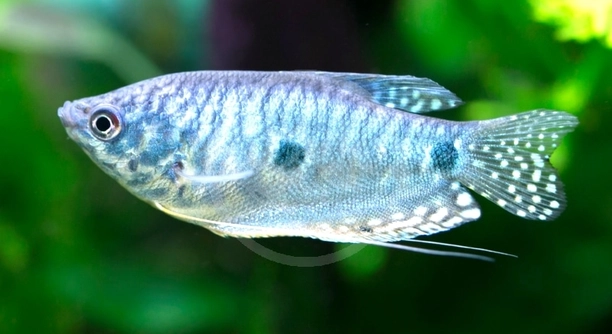
Gouramis are popular freshwater fish known for their peaceful nature and vibrant colors. Many owners notice their gouramis sometimes remain still for long periods, which can be puzzling. Understanding this behavior is important for their care and well-being.
When gouramis stay still all day, it often indicates stress, illness, or environmental issues. Prolonged inactivity can result from poor water quality, low oxygen levels, or disease. Monitoring tank conditions and the fish’s health is essential to address these concerns promptly.
Recognizing the reasons behind stillness helps maintain a healthy environment for gouramis. This article explains key factors affecting their behavior and offers guidance for attentive care.
Reasons Gouramis Stay Still for Long Periods
Gouramis may remain still for various reasons. One common cause is stress caused by changes in their environment, such as sudden temperature shifts or poor water conditions. Stress weakens their immune system and can make them less active. Another reason is illness. Diseases like ich or bacterial infections often cause lethargy. Injuries or parasites can also reduce their movement. Additionally, low oxygen levels in the tank can make gouramis conserve energy by staying still. Sometimes, gouramis simply rest, especially during the day when they are less active. Understanding the specific cause is crucial for proper care and treatment. Regular tank maintenance and observation help prevent many issues that lead to inactivity.
It is important to monitor water quality regularly, as poor conditions often lead to stillness. Proper care can restore your gourami’s normal behavior.
Gouramis rely on a balanced environment to stay healthy. Keeping water clean and at the right temperature supports their activity levels. If you notice stillness, check the tank for ammonia, nitrites, and nitrates. Oxygen levels should be adequate, and filtration systems must be working well. Avoid overcrowding, as this increases stress and reduces oxygen. Feeding a nutritious diet also helps maintain their strength. If illness is suspected, isolate the affected fish and consider medication. Early detection of problems increases the chances of recovery and helps keep gouramis active and healthy.
Signs of Stress and Illness in Gouramis
Stress and illness often show clear signs in gouramis before stillness. Watch for faded colors, clamped fins, or rapid breathing. These signs indicate something is wrong.
Lethargy is one of the first signs of health problems. Gouramis may stop eating and stay near the bottom or hide. Identifying these signs early allows for timely intervention.
Stress weakens the fish’s immune system, making them vulnerable to infections. Illnesses can spread quickly in crowded or unclean tanks. Affected gouramis may develop white spots, wounds, or swelling. Treatment depends on the specific illness but often includes improving water quality and using medication. Reducing stress by maintaining stable conditions and avoiding sudden changes supports recovery. Regular observation helps detect problems before they worsen, ensuring gouramis live longer, healthier lives.
How to Improve Gourami Activity
Improving gourami activity starts with maintaining clean and stable tank conditions. Regular water changes and proper filtration help keep the environment healthy. Providing enough space and hiding spots reduces stress and encourages movement.
Ensuring optimal water parameters is key. Gouramis thrive in temperatures between 75-82°F (24-28°C) with a pH of 6.0 to 7.5. Sudden changes can cause stress and inactivity. Testing water regularly helps catch issues early. Oxygenation is also crucial; adding an air stone or increasing surface agitation can boost oxygen levels. Avoid overcrowding since too many fish increase waste and stress. A balanced diet with high-quality flakes, pellets, and occasional live food keeps gouramis energetic and healthy.
Creating an environment that mimics their natural habitat encourages natural behavior. Plants and decorations provide hiding places and reduce anxiety. Proper lighting with a day-night cycle supports their activity. Consistent care routines help gouramis feel secure and more active throughout the day.
When to Seek Professional Help
If your gourami remains inactive despite proper care, professional advice is needed. Persistent stillness may signal serious illness or tank issues.
A veterinarian or aquatic specialist can diagnose underlying problems like infections or parasites. Early treatment prevents worsening health and potential death. Professionals can recommend the right medications and treatment plans. They may also help identify water quality problems not visible to the naked eye. Regular health checks improve outcomes and extend the life of your fish. Seeking help promptly ensures your gourami receives the best care possible.
Tank Environment Adjustments
Small changes in the tank environment can greatly affect gourami behavior. Adjusting water temperature, improving filtration, or adding plants can encourage activity. Avoid sudden changes to prevent stress.
Lighting also impacts gouramis. Too much light can make them hide, while dimmer lighting encourages natural movement and exploration.
Feeding Habits and Activity
Proper feeding supports healthy activity levels. Overfeeding can lead to poor water quality and lethargy, while underfeeding causes weakness. Feed small amounts twice a day with varied diet options like flakes, pellets, and live foods to keep gouramis active and healthy.
Common Mistakes to Avoid
Avoid overcrowding the tank, as it stresses gouramis and reduces oxygen. Also, do not neglect regular water tests and changes, which keep the environment stable and promote natural behavior.
Signs of Recovery
When gouramis become more active and start eating regularly, it indicates recovery. Healthy colors and smooth swimming also show improvement.
FAQ
Why does my gourami stay still at the bottom of the tank?
Gouramis often rest at the bottom when they are stressed, sick, or experiencing poor water quality. It can also happen if the oxygen level is low, causing them to conserve energy. Checking water parameters and tank conditions is important to address these issues.
Is it normal for gouramis to stay still all day sometimes?
Yes, occasional stillness is normal as gouramis rest throughout the day. However, if they remain inactive for long periods regularly, it could indicate health or environmental problems that need attention.
How can I tell if my gourami is sick?
Look for signs such as faded colors, clamped fins, rapid breathing, loss of appetite, or white spots on the body. These symptoms usually accompany stillness and mean your gourami may need treatment.
Can poor water quality cause gouramis to be inactive?
Absolutely. High ammonia, nitrite, or nitrate levels stress fish and reduce their activity. Regular water testing and changes are essential to keep the tank environment safe and encourage healthy behavior.
What water temperature is best for gouramis to stay active?
Gouramis thrive in temperatures between 75°F and 82°F (24°C to 28°C). Temperatures outside this range can cause stress and lethargy. Using a reliable heater and thermometer helps maintain a stable environment.
Does overcrowding affect gourami behavior?
Yes, overcrowding increases waste and stress, which can make gouramis stay still more often. Ensuring adequate space and proper filtration supports their health and activity.
Can feeding habits influence gourami activity?
Feeding too much or too little affects gouramis. Overfeeding lowers water quality, while underfeeding weakens fish. A balanced diet with appropriate portions keeps gouramis energetic.
What should I do if my gourami is still after checking water and feeding?
If water quality is good and feeding is proper but stillness continues, consider consulting a vet or aquatic specialist. There might be underlying illnesses or parasites needing treatment.
How long can gouramis stay still before it becomes a concern?
If gouramis stay still most of the day for several consecutive days, it’s a sign to investigate. Short rest periods are normal, but extended inactivity usually indicates a problem.
Can adding plants improve gourami activity?
Yes, plants provide hiding spots and reduce stress, encouraging natural movement. They also help improve water quality, which supports healthier and more active gouramis.
Is it safe to medicate gouramis for inactivity?
Medication should only be used when a specific illness is diagnosed. Using medicine without knowing the cause can harm fish and worsen conditions. Professional advice is recommended before treatment.
How often should I perform water changes for gouramis?
Weekly water changes of 20-30% help keep the tank clean and oxygenated. This routine reduces harmful toxins and promotes active, healthy fish.
What role does oxygen play in gourami behavior?
Oxygen is critical. Low oxygen levels cause gouramis to conserve energy by staying still. Ensuring proper aeration with filters or air stones supports their normal activity.
Can gouramis survive with prolonged inactivity?
Prolonged inactivity usually signals poor health and can lead to death if untreated. Prompt action to improve tank conditions and address illness improves survival chances.
Are there any signs of recovery after gouramis have been inactive?
Yes, increased swimming, normal feeding, and vibrant colors are signs your gourami is recovering. Continued observation is important to confirm improvement.
What environmental factors most affect gourami activity?
Temperature, water quality, oxygen levels, tank size, and stress from other fish all influence activity. Maintaining balance in these areas keeps gouramis healthy and active.
Can stress from tank mates cause gouramis to stay still?
Yes, aggressive or overly active tank mates can stress gouramis. Providing enough space and compatible species reduces stress and promotes movement.
Is it normal for gouramis to hide and stay still during the day?
Gouramis sometimes hide or rest during daylight hours. However, constant hiding and inactivity can be a sign of stress or illness that requires attention.
Should I isolate a still gourami?
Isolating a still gourami can help prevent disease spread and reduce stress. It also makes monitoring and treatment easier if illness is suspected.
How can I prevent gouramis from becoming inactive?
Maintaining clean water, stable temperature, proper feeding, and a stress-free environment are key. Regular observation helps catch early signs of problems.
Final thoughts on gouramis staying still all day focus on understanding their behavior and maintaining a healthy environment. Gouramis may remain still for many reasons, such as resting, stress, illness, or unsuitable tank conditions. It is important to monitor their behavior closely and check the water quality regularly. Keeping the water clean, stable in temperature, and well-oxygenated supports their overall health. Simple tank adjustments like adding plants and providing enough space can reduce stress and encourage more activity.
Recognizing the signs of illness early is crucial for gouramis. If they stay still for long periods and show other symptoms like loss of appetite, faded colors, or labored breathing, it is necessary to take action. Testing water parameters and ensuring a proper diet helps prevent many health problems. If issues persist despite good care, consulting a veterinarian or aquatic expert can guide appropriate treatment. Quick response to health concerns increases the chance of recovery and ensures the fish live a better life.
Creating a comfortable habitat for gouramis encourages natural behavior. Providing hiding spots, maintaining correct temperature, and avoiding overcrowding reduce stress and inactivity. Feeding a balanced diet with varied food types keeps them energized. Watching for changes in their activity level helps catch problems early. Staying consistent with tank maintenance and care routines will support gouramis’ long-term health and happiness, allowing them to be more active and thrive in their environment.

Hello,
If you enjoy the content that we create, please consider saying a "Thank You!" by leaving a tip.
Every little bit helps us continue crafting quality advice that supports the health, happiness, and well-being of pets around the world, for pets of all shapes, sizes, and species.
We really appreciate the kindness and support that you show us!