
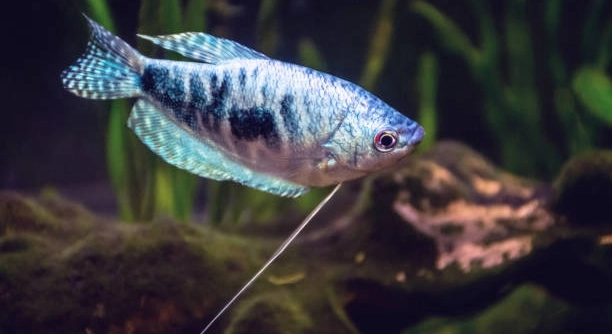
Have you ever noticed your gourami swimming around the same ornaments and plants each day without much excitement or change in behavior?
Gourami can become bored with routine decor, especially in environments lacking variation or stimulation. These fish benefit from environmental enrichment, which helps maintain natural behaviors, reduce stress, and encourage exploration in their tank.
Making small, thoughtful changes can create a more engaging space and improve your gourami’s overall well-being and activity levels.
Signs Your Gourami May Be Bored
Gourami are intelligent and observant fish, and they can show signs when their environment lacks stimulation. You might notice them swimming back and forth in repetitive patterns or lingering in one spot for extended periods. Some gourami may even become less active overall, hiding more or showing less interest in feeding times. These behaviors often develop when their tank setup remains unchanged for too long. While they are adaptable, gourami benefit from periodic changes in their surroundings. Subtle updates, such as shifting decorations or adjusting plant placements, can help reduce these signs of inactivity. A bored gourami may also start displaying territorial behavior out of frustration. Keeping an eye on these signs can help you make small adjustments before behavioral problems set in. Ensuring your fish stays curious and active can lead to a healthier and more balanced aquarium environment.
Changing things up helps maintain their interest.
Try rotating tank items every couple of weeks. You don’t need a full makeover—just minor shifts, like moving driftwood or replacing a plant with a new one. It’s enough to make their surroundings feel new again. Introducing floating plants, small caves, or varying textures also encourages natural foraging and exploration. Avoid clutter, and keep swimming space clear.
How to Make Decor More Stimulating
Stimulating your gourami’s environment doesn’t mean crowding their tank with decorations. Instead, create a setup that encourages exploration and natural behaviors.
Start with layering elements at different levels—floating plants on the surface, mid-level driftwood, and bottom-dwelling structures like small caves or stones. This setup lets your gourami explore vertically as well as horizontally. Adding live plants not only offers hiding spots but also gives them something to nibble on occasionally. Rotate items every few weeks to keep things fresh. Natural-looking decor, such as leaf litter or river stones, provides both visual interest and texture. Use mirrors only temporarily, as long-term exposure can cause stress. If your tank has a strong current, adjusting the water flow can also offer variation in swimming conditions. Just be careful not to disturb their comfort zone. A stimulating setup doesn’t need to be complicated—thoughtful, small changes are enough to improve their activity levels and emotional balance.
Changing Decor Without Stressing Your Gourami
Avoid large changes all at once, as gourami can become uneasy in unfamiliar surroundings. Gradual adjustments are easier on them and help maintain a sense of stability. Space out modifications to give them time to adjust to each update before adding anything new.
Start by swapping out one or two items at a time. For example, you can replace a silk plant with a live one or move a piece of driftwood to a different side of the tank. This gives your gourami something new to explore without overwhelming them. Wait a few days between each change, and observe their behavior. If they continue to act normally—eating well, exploring, and swimming freely—you can safely introduce another small update. Lighting can also influence comfort, so make sure the brightness remains consistent when changing décor. Slow, thoughtful updates reduce the chances of stress and help keep their environment interesting.
Avoid rearranging during other stressful events like water changes or after adding new tank mates. Too much change at once can lead to hiding or refusal to eat. If your gourami seems nervous after a shift, pause further updates and give them time to settle. Keep their routines stable while offering new visuals. This balance helps maintain their comfort and encourages curiosity.
Safe Additions That Keep Things Interesting
Small mirrors can be used for a few minutes a day to spark curiosity, but don’t leave them in long-term. Gourami may view their reflection as a threat, which increases stress. Use sparingly and observe their reaction closely during each use.
Floating plants are an easy way to enrich the top area of the tank. They offer cover, create shaded zones, and give your gourami a sense of safety while swimming near the surface. Try frogbit, water lettuce, or duckweed—just be careful not to let them block all light or reduce oxygen exchange. Leaf hammocks and coconut hides are good for mid and lower levels. Rotating items like decorative rocks, smooth pebbles, and logs gives them a refreshed environment without overcomplicating the tank. Avoid sharp edges and painted ornaments. Stick to natural materials when possible, and make sure each addition fits your tank size and layout. Prioritize open space so your gourami can swim freely without feeling boxed in.
How Often to Change Tank Decor
Change or move decor every two to three weeks to keep things engaging. This gives your gourami time to adjust without becoming too used to their surroundings. Consistent updates help reduce boredom while maintaining stability in their environment.
Avoid making changes during illness or after introducing new fish. These are already stressful periods, and adding environmental changes can make adjustment harder. Wait until your gourami show normal behavior again before rotating items or adding anything new. Keeping changes well-timed helps prevent stress and encourages healthy activity.
Watching for Positive Behavioral Changes
After introducing new decor or rearranging tank elements, watch for increased swimming, exploring, and interaction with the new features. These behaviors show your gourami feels secure and stimulated. Reduced hiding and a healthy appetite are also signs that the changes were well-received. If your gourami seems more alert and curious, you’re on the right track.
What to Avoid
Avoid overcrowding the tank with too many decorations or blocking swim paths. Too much clutter can cause stress and limit your gourami’s movement. Keep enough open space for free swimming while still offering areas to explore and hide.
FAQ
Can gourami actually get bored in the same environment?
Yes, gourami can become bored when their environment stays the same for long periods. They are naturally curious fish that enjoy exploring. If nothing changes, they may show less activity, become more reclusive, or stop interacting with their surroundings. These signs can point to boredom. Adding variety helps keep their minds active.
What are signs my gourami is bored?
Boredom in gourami might look like pacing the glass, spending too much time hiding, or ignoring parts of the tank they used to explore. A decrease in activity, frequent hovering in one spot, or seeming disinterest in food can also be signs. Watch for changes in behavior and patterns.
Is it okay to use colorful decorations?
Bright colors are fine if they are safe and non-toxic. Make sure decorations are aquarium-grade and have no sharp edges. Some gourami may be startled by overly bright or glowing items, so start with muted colors and observe their behavior. Safety and comfort should come first.
How many decorations should I use?
It depends on tank size. For a 20-gallon tank, use about 4–6 pieces, leaving enough space for swimming. Include a mix of tall plants, caves, and floating items. Avoid over-decorating, as it can limit swim areas and cause stress. Keep a balance between open areas and covered spots.
Can I use real plants instead of fake ones?
Yes, live plants are a great choice. They improve water quality, provide hiding spaces, and encourage natural behaviors. Choose low-maintenance options like Anubias, Java fern, or Amazon sword. Live plants also move with water flow, which adds gentle stimulation to your gourami’s environment.
Will moving items stress my gourami out?
It depends on how and when changes are made. Sudden, large rearrangements can cause stress. Small, spaced-out changes allow your gourami to adjust more easily. Avoid changing things right after a water change or during illness. Calm, gradual updates are best.
Do gourami like floating decorations?
Yes, floating plants or hammocks can provide comfort. Gourami often swim near the surface, and these additions offer shade and a sense of security. Just be sure floating items don’t cover the entire surface, as gourami need open space to breathe and explore.
What should I avoid when changing decor?
Avoid removing all decorations at once. This can make your gourami feel exposed and stressed. Don’t use decor with sharp edges, painted surfaces, or anything that could leach chemicals. Skip noisy bubbling ornaments if they startle your fish. Always rinse new items before placing them in the tank.
Is it better to rotate decorations or always add new ones?
Rotating is usually enough. Swapping out items every few weeks keeps the space interesting without needing to buy new decor constantly. Replacing old items with familiar ones placed in new spots helps maintain comfort while still creating a sense of novelty.
How long should I wait between changes?
Wait at least one to two weeks between updates. This gives your gourami time to adjust and lowers the risk of stress. If your fish seems uneasy after a change, pause future updates until normal behavior returns. Spacing things out helps maintain stability.
Can decor changes affect water quality?
Yes, if the item isn’t safe or is placed incorrectly. Avoid wood that hasn’t been aquarium-treated, and never use metal. Some decor may release tannins or alter pH. Always monitor water parameters after adding or moving items. Use only aquarium-safe materials and rinse everything thoroughly.
What kind of decor encourages natural behaviors?
Decor that allows hiding, exploring, and foraging works best. Plants, smooth caves, driftwood, and leaf litter help support natural movement. A mix of vertical and horizontal features encourages climbing and swimming through spaces. Keep decor at different levels of the tank for varied engagement.
Final Thoughts
Keeping a gourami’s environment interesting is not just about making a tank look good. These fish are naturally active and observant, and they benefit from changes in their surroundings. When kept in the same space for too long without variation, gourami can start to show signs of boredom, like staying in one place, avoiding interaction, or becoming less active overall. Simple changes, like moving a plant, adding a new decoration, or switching the location of a hiding spot, can help stimulate their interest and improve their well-being. Even small adjustments made over time can keep their space fresh and engaging.
Decor updates do not need to be complicated or expensive. Using a mix of live plants, safe hiding areas, floating pieces, and gentle lighting can create a calm but enriched environment. It’s also helpful to observe your gourami’s behavior after each change. If they explore more or interact with their surroundings, the change likely had a positive effect. However, if they seem withdrawn or stressed, it may be best to give them time to adjust before making any more updates. Keeping things consistent while also offering new things to discover is the key to keeping gourami comfortable and mentally active.
Gourami care includes more than just feeding and clean water. Their habitat plays a major role in how they behave and feel over time. Making an effort to offer variety, stimulation, and comfort through thoughtful decor choices can help prevent boredom and support long-term health. It can also be satisfying to see your fish explore new additions or swim through a space they’ve never seen before. With a bit of planning and observation, it’s easy to build a balanced tank that keeps your gourami both safe and interested. Changes should be made carefully and spaced out, but even small efforts can make a noticeable difference.

Hello,
If you enjoy the content that we create, please consider saying a "Thank You!" by leaving a tip.
Every little bit helps us continue crafting quality advice that supports the health, happiness, and well-being of pets around the world, for pets of all shapes, sizes, and species.
We really appreciate the kindness and support that you show us!