
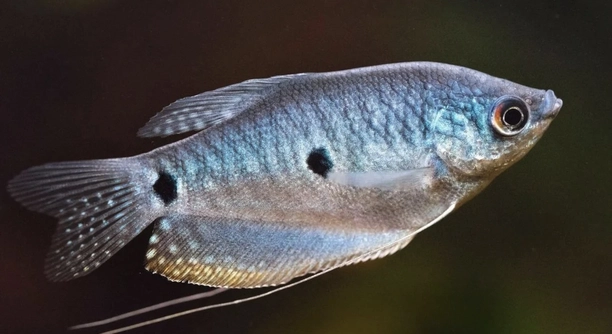
Gouramis are peaceful fish known for their unique behaviors. Watching them groom themselves can tell you a lot about their well-being. Happy gouramis show specific grooming actions that indicate they feel safe and comfortable.
Seven key grooming behaviors in happy gouramis include fin rubbing, body scraping, mouth cleaning, bubble blowing, scale maintenance, chasing off debris, and resting calmly after grooming. These actions demonstrate normal health and stress-free living conditions.
Recognizing these behaviors helps you ensure your gourami stays happy and healthy in its environment. Understanding their grooming habits is essential for good care and observation.
Fin Rubbing and Body Scraping
Fin rubbing is one of the most common grooming behaviors seen in happy gouramis. They often rub their fins gently against plants or tank decorations. This action helps remove dirt, parasites, and dead skin. Body scraping is similar but involves the fish pressing parts of their body against rough surfaces. Both behaviors keep the skin clean and healthy. Observing your gourami do this regularly is a good sign. It shows they feel relaxed enough to care for themselves. Sometimes, they might rub more if the water quality is poor or if parasites are present. So, while fin rubbing is normal, excessive rubbing might indicate a need for water testing or tank cleaning. Regular monitoring helps ensure your gourami remains in good health and avoids stress caused by external irritants.
Fin rubbing and body scraping are natural ways gouramis maintain their hygiene and comfort.
Proper grooming helps gouramis stay healthy and avoid infections. It also shows they are comfortable in their environment. When gouramis feel safe, they take time for these self-care actions. Clean water and a good tank setup encourage this behavior. If you notice your gourami rubbing too much or looking injured, check water conditions and consult care guides. These behaviors are part of their daily routine and can help you understand their well-being better. Watching these simple actions can build a stronger connection between you and your fish. It’s a quiet way to see that your gourami feels at ease in its home.
Bubble Blowing and Mouth Cleaning
Bubble blowing is a curious grooming behavior where gouramis blow small bubbles from their mouths. It’s thought to help clean their mouth and gills. This action might also be a sign of contentment. Mouth cleaning often accompanies bubble blowing, with the fish using their lips or teeth to remove debris or algae.
Bubble blowing and mouth cleaning are gentle ways gouramis keep their respiratory system clear and healthy.
These behaviors promote better breathing and reduce irritation inside the mouth and gills. Gouramis use these subtle grooming habits to keep their internal health in check. Watching them perform these actions calmly means they are not stressed and have good water quality. In a well-maintained aquarium, these behaviors are seen regularly. They indicate that your gourami is comfortable and feels safe enough to focus on small but important grooming tasks. Providing a clean, quiet space with plenty of plants helps support these natural actions. It’s a simple yet effective way for gouramis to maintain their health every day.
Scale Maintenance
Gouramis regularly inspect and maintain their scales by gently rubbing against smooth surfaces. This keeps their scales clean and free from debris or algae buildup. It’s a subtle but important part of their grooming routine.
Maintaining healthy scales helps protect gouramis from infections and parasites. By rubbing their bodies lightly on rocks or aquarium decorations, they remove dirt and dead skin. This behavior also keeps their scales shiny and smooth, which is a sign of good health. When gouramis feel stressed or unwell, they may neglect this grooming habit, leading to dull or damaged scales. Proper tank conditions, including clean water and good filtration, support this natural behavior and keep the fish looking vibrant.
Observing scale maintenance can tell you a lot about your gourami’s well-being. If they stop rubbing or their scales look unhealthy, it might be time to check water quality or diet. Regular care and attention encourage these grooming habits, promoting a long and healthy life for your fish.
Chasing Off Debris
Gouramis often chase away small particles or other fish that get too close during grooming. This behavior protects their clean skin and fins.
This action helps keep their grooming area free from irritants. Gouramis may use quick movements or gentle nudges to move away debris or tank mates. This shows they are aware of their surroundings and care about their cleanliness. In a community tank, chasing off debris also helps gouramis establish personal space. When gouramis feel secure, they take control of their environment by managing interruptions during grooming. This behavior is a natural way to maintain their comfort and hygiene, reflecting a calm and happy fish.
Resting Calmly After Grooming
After grooming, gouramis often rest calmly near plants or decorations. This shows they feel safe and comfortable in their environment.
Resting calmly helps them recover energy and reduces stress. It’s a sign of contentment and good health.
Mouth and Gill Flare
Sometimes gouramis flare their gills or open their mouths slightly during grooming. This helps clear out debris and improve water flow over their gills. Regular flaring indicates healthy respiratory function and effective grooming habits.
Interaction With Tank Mates During Grooming
Gouramis usually keep some distance from other fish while grooming. This space helps them focus on self-care without distractions or stress from tank mates.
What does it mean when my gourami rubs its fins a lot?
Fin rubbing is a normal grooming behavior, but if it happens excessively, it may indicate irritation or stress. Gouramis often rub their fins against plants or decorations to remove parasites, dead skin, or dirt. However, too much rubbing could be a sign of poor water quality, parasites, or injuries. Check your tank conditions first—test the water for ammonia, nitrites, and pH levels. Also, inspect your gourami closely for any visible wounds or spots. Improving water quality and providing hiding spots can reduce stress and help your gourami feel more comfortable. If excessive rubbing continues, consult a vet or experienced fish keeper for advice.
Why does my gourami blow bubbles from its mouth?
Bubble blowing is a gentle grooming behavior gouramis use to clean their mouth and gills. It may also be a calming activity that shows the fish is relaxed. In some species, bubble blowing is linked to building bubble nests, but in general grooming, it’s just a way to remove debris or excess mucus. Seeing your gourami blow bubbles regularly suggests it feels safe and well in its environment. However, if the bubble blowing looks labored or is paired with other symptoms like gasping, check your water quality immediately.
Is it normal for gouramis to scrape their bodies against objects?
Yes, body scraping is a common grooming behavior in gouramis. It helps them remove algae, dead skin, or parasites. The fish will rub their bodies lightly against smooth or rough surfaces in the tank. This behavior keeps their scales clean and skin healthy. However, if you notice your gourami scraping excessively or causing injuries, it could be a sign of irritation or infection. Always maintain good water quality and inspect your fish regularly to prevent health issues.
How often should gouramis groom themselves?
Gouramis groom themselves throughout the day but mostly during calm and quiet periods. Grooming can include fin rubbing, bubble blowing, and body scraping. Healthy gouramis usually take time daily to care for their scales and gills. If your fish is active and regularly grooming, it’s a good sign they are healthy and stress-free. A sudden drop or increase in grooming might signal changes in their environment or health problems.
Can grooming behavior change with stress or illness?
Yes, grooming behaviors in gouramis can change significantly if they are stressed or sick. Stressed gouramis may stop grooming or groom excessively in response to irritation. Illness, poor water quality, or parasites often cause abnormal grooming. For example, increased rubbing or scraping can indicate external parasites or skin infections. On the other hand, a sick gourami might become lethargic and neglect grooming altogether. Monitoring grooming habits closely helps you detect early signs of stress or illness.
What can I do to encourage healthy grooming in my gourami?
Maintaining clean, stable water conditions is the best way to encourage healthy grooming. Regular water changes and good filtration reduce irritants and improve overall health. Providing plenty of plants and smooth decorations gives gouramis surfaces to groom against. A varied diet rich in nutrients also supports skin and scale health. Avoid overcrowding and aggressive tank mates that might stress your gourami and interfere with grooming. Creating a calm environment allows your fish to perform natural grooming behaviors regularly.
Is it okay if my gourami grooms near other fish?
Gouramis usually prefer some personal space while grooming. They might chase away other fish or move to quieter spots in the tank. This behavior protects their grooming routine from disturbance. While some tank mates may swim nearby, it’s normal for gouramis to seek out calmer areas to focus on self-care. If other fish constantly bother your gourami during grooming, it could stress the fish and affect its health. Providing plenty of hiding places and plants helps gouramis maintain this balance.
How can I tell if grooming behavior is healthy or a problem?
Healthy grooming is gentle and routine—your gourami will rub fins, scrape lightly, blow bubbles, and rest calmly afterward. Problems arise if grooming becomes aggressive, excessive, or stops altogether. Look for signs like damaged fins, visible wounds, or lethargy. If your gourami appears restless or rubs against objects violently, it might have parasites or skin irritation. Sudden changes in grooming habits often signal stress or poor tank conditions. Regular observation and good tank care help keep grooming behavior healthy and your gourami happy.
Gouramis show many small grooming behaviors that tell us how they are feeling. Watching them rub their fins, scrape their bodies, or blow bubbles can help us understand if they are healthy and comfortable. These actions are natural ways for gouramis to keep their skin and scales clean. When they do these things regularly and calmly, it usually means they are happy in their environment. Taking time to notice these simple behaviors can give important clues about your fish’s well-being.
Good water quality and a well-maintained tank are key to encouraging healthy grooming habits. When the water is clean and the tank has enough plants or decorations, gouramis have the surfaces they need to groom properly. A proper diet also supports their skin and scale health, making grooming easier for them. If you see your gourami rubbing too much or acting differently, it might mean something needs to be checked, such as water conditions or possible parasites. Early attention helps avoid bigger health problems later.
Overall, understanding gourami grooming behaviors helps create a better home for your fish. These behaviors are small but important signs of their happiness and health. Providing a calm, clean environment where they feel safe allows them to perform these grooming routines naturally. Watching your gourami care for itself can deepen your connection and help you spot issues early. With good care and observation, your gourami can enjoy a long, healthy life.

Hello,
If you enjoy the content that we create, please consider saying a "Thank You!" by leaving a tip.
Every little bit helps us continue crafting quality advice that supports the health, happiness, and well-being of pets around the world, for pets of all shapes, sizes, and species.
We really appreciate the kindness and support that you show us!