
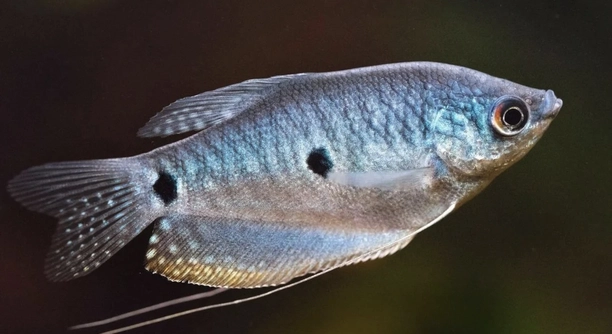
Do you ever wonder how to create the best environment for your gourami fish? These colorful freshwater fish have specific needs that affect their health and happiness. Understanding their preferences can help you build a better tank.
Gouramis generally prefer calm tanks with minimal water movement, as this mimics their natural habitats like slow-moving rivers and ponds. Too much activity or strong currents can stress them and disrupt their normal behavior.
Knowing how to balance tank activity and calmness can make a big difference in your gourami’s well-being. There are simple steps to create the ideal setting for these peaceful fish.
Understanding Gourami Natural Habitat
Gouramis come from slow-moving waters such as ponds, swamps, and gentle streams in Southeast Asia. These environments usually have dense plants and calm water without strong currents. This setting allows gouramis to swim comfortably and feel safe. Because their natural habitats are peaceful, gouramis are not built to handle fast-moving water or turbulent tanks. When the water moves too quickly, it can tire them out or make them anxious. Many gouramis also like to rest near plants or other hiding spots, which provide security and reduce stress. Recreating these conditions in your aquarium is important to keep your gouramis healthy and calm. Adding plenty of live or artificial plants and keeping water flow low can help mimic their natural home. Paying attention to these details will encourage your gouramis to display their natural behaviors, such as exploring and feeding, without feeling threatened or stressed.
Maintaining a calm environment reduces stress and promotes natural activity in gouramis.
Setting up a tank similar to their habitat can make a big difference. Slow water movement and plenty of hiding spots create a comfortable space where gouramis feel at ease. It’s not just about looks — this setup helps them grow and thrive. Watching gouramis swim gently among plants is a clear sign they are happy. On the other hand, strong currents can make them hide or become restless. Small filters that don’t push water too hard work best. You can also adjust filter flow or add decorations to block strong currents. Paying close attention to water movement and tank layout ensures your gouramis stay relaxed and healthy.
Tank Activity and Social Behavior
Gouramis are generally peaceful fish that prefer calm tanks but they also enjoy some activity. They like to explore their surroundings and interact with other calm species. In a busy tank with too many fast swimmers, gouramis can become stressed or hide. Keeping tank mates that move gently and do not create strong currents is best. Gouramis often show curiosity and mild social behavior, especially when kept in pairs or small groups. However, overcrowding can lead to aggression or stress. A balanced tank environment with moderate activity helps gouramis feel secure but engaged.
Moderate tank activity with compatible fish supports gourami social needs.
While gouramis enjoy calm water, they also need stimulation. Too little activity can lead to boredom or lethargy. Adding gentle tank mates and plants for hiding and exploring keeps gouramis interested and active. Observing your gouramis’ behavior helps you find the right balance. They will swim confidently, interact with others, and show normal feeding habits. If they hide constantly or seem nervous, the tank might be too active or crowded. Finding peaceful companions and avoiding strong currents supports a healthy social life for gouramis. Keeping their environment steady but engaging helps prevent stress-related issues and encourages natural behaviors. Overall, a tank that combines calm water with gentle activity creates the best setting for gouramis to thrive.
Water Movement and Tank Setup
Water movement should be gentle to match gouramis’ preference for calm environments. Strong currents make them uncomfortable and can stress them. Choosing the right filter and placement helps control flow.
Filters with adjustable flow settings are ideal. Placing the outlet near the tank’s surface or behind plants reduces current strength. Using sponge filters or air-driven filters can provide gentle circulation without harsh water movement. Avoid large power filters pushing water too forcefully. Adding plenty of plants and decorations breaks water flow, creating calm spots where gouramis can rest. This setup mimics their natural habitat, making them feel safe and less stressed.
Tank layout affects water flow and gouramis’ comfort. Dense planting combined with low flow creates pockets of still water, which gouramis prefer. Open swimming areas should have mild movement but avoid turbulence. Arranging décor to block strong currents helps gouramis swim at their own pace. Controlling water movement is essential for maintaining a healthy, low-stress environment.
Behavior Changes in Active vs. Calm Tanks
Gouramis in calm tanks tend to be more relaxed and display natural behaviors like exploring and feeding confidently. They rest near plants and swim slowly.
In tanks with too much activity or strong water flow, gouramis often hide or appear stressed. They may stop eating and show signs of fatigue. Over time, constant stress can affect their health and lifespan. Active tanks with fast swimmers or high currents create an uncomfortable environment for gouramis. They prefer slow and steady water where they can move without fighting the flow.
Providing a calm tank encourages gouramis to be active in a healthy way. You’ll notice more natural colors, peaceful interactions, and consistent feeding. Stressful conditions, on the other hand, limit their activity and well-being. Careful attention to tank activity directly impacts their mood and overall health.
Ideal Tank Decorations for Gouramis
Plants and hiding spots are essential for gouramis. They provide shelter and reduce stress.
Driftwood and rocks also help break up water flow and create calm areas. These decorations make gouramis feel secure and comfortable.
Choosing Compatible Tank Mates
Gouramis do best with peaceful, slow-moving fish that don’t create strong currents. Avoid aggressive or very active species. Small tetras, rasboras, and snails often make good companions. These tank mates help maintain a calm environment while adding life to the tank.
Monitoring Gourami Behavior
Watch how your gouramis react to their environment. Calm swimming and regular feeding are good signs.
Signs of stress include hiding, gasping at the surface, or erratic swimming. Adjust tank conditions if these appear to keep gouramis healthy and happy.
FAQ
Do gouramis need a calm tank, or can they handle strong water currents?
Gouramis prefer calm tanks with slow-moving water because that matches their natural habitat. Strong currents can cause stress and exhaustion, making it hard for them to swim or rest properly. It’s best to use filters with adjustable flow and add plants or decorations to reduce water movement.
Can gouramis live with more active or fast-swimming fish?
Gouramis generally do better with peaceful, slow-moving fish. Fast or aggressive tank mates can scare them or create too much water movement, causing stress. If you want a community tank, choose species like small tetras or rasboras that won’t disturb the calm environment gouramis need.
How do I know if my gourami is stressed from tank activity?
Signs of stress include hiding for long periods, loss of appetite, erratic swimming, or gasping at the water surface. If you notice these behaviors, check your tank for strong currents, overcrowding, or overly active tank mates. Adjusting these factors often helps gouramis relax.
What kind of decorations are best for gouramis?
Live or artificial plants, driftwood, and rocks are excellent choices. They provide hiding spots and reduce water flow, creating calm zones. Gouramis feel safer when they have places to rest and hide, which lowers their stress levels and encourages natural behavior.
Is it better to keep gouramis alone or in groups?
Gouramis can be kept alone or in small groups depending on the species. Some gouramis prefer being solitary, while others enjoy social interaction in pairs or small groups. Just avoid overcrowding, as too many fish can increase tank activity and stress levels.
How do I manage water flow if my filter is too strong?
You can adjust your filter’s flow settings if available, or redirect the outflow behind plants or decorations to soften the current. Using sponge filters or air-driven filters can also help provide gentle water movement suited for gouramis.
Will gouramis thrive in a bare tank without plants?
While gouramis can survive in a bare tank, they do much better with plants and hiding spots. These decorations mimic their natural environment and help reduce stress. A bare tank often leaves them feeling exposed and less comfortable.
Can gouramis live in a tank with a lot of activity, like constant feeding or cleaning?
Frequent disturbances can stress gouramis. It’s important to keep tank maintenance gentle and avoid overfeeding. Regular but calm care helps maintain a peaceful environment where gouramis can thrive.
How big should a tank be for gouramis?
Tank size depends on the gourami species, but generally, a minimum of 20 gallons is recommended. Larger tanks help maintain stable water conditions and provide enough space for gouramis to swim calmly without feeling crowded.
What are the risks of having too many fish in a gourami tank?
Overcrowding increases water movement and competition for space, leading to stress and aggression. Gouramis may hide more or stop eating. Maintaining a balanced number of tank mates helps keep the environment calm and healthy for all fish.
How often should I check the water parameters for gouramis?
Regular monitoring of temperature, pH, and ammonia levels is important, ideally once a week. Stable water conditions support gouramis’ health and reduce stress caused by environmental changes.
Are there specific plants that gouramis prefer?
Gouramis like dense, leafy plants such as Java fern, Anubias, and floating plants like duckweed or water lettuce. These provide shade and hiding places, which help gouramis feel secure.
What should I do if my gourami shows aggressive behavior?
Aggression can result from overcrowding, stress, or incompatible tank mates. Try rearranging the tank to create more hiding spaces or separate aggressive individuals. Keeping the tank calm and balanced usually reduces aggression.
How important is water temperature for gouramis?
Gouramis prefer water temperatures between 74°F and 82°F (23°C to 28°C). Maintaining this range keeps their metabolism steady and supports healthy behavior. Sudden changes in temperature can cause stress.
Can lighting affect gourami behavior?
Yes, bright or harsh lighting can stress gouramis. Soft, natural lighting with shaded areas from plants helps them feel secure. Too much light can cause hiding or erratic behavior.
Is it necessary to cycle the tank before adding gouramis?
Yes, a fully cycled tank with stable water parameters is essential to prevent harmful ammonia or nitrite spikes. This creates a safe environment for gouramis from the start, reducing stress and illness risks.
How do gouramis behave when they are comfortable in their tank?
Comfortable gouramis swim calmly, explore their surroundings, feed regularly, and interact gently with tank mates. Their colors often appear brighter, and they rest near plants or decorations without hiding too much.
What are the best foods for gouramis to keep them healthy?
A varied diet of flakes, pellets, and live or frozen foods like brine shrimp or bloodworms supports gouramis’ nutrition. Feeding small amounts multiple times a day encourages natural foraging and keeps them active without overfeeding.
How long do gouramis typically live in a calm, well-maintained tank?
With proper care, gouramis can live between 4 to 6 years, sometimes longer. A calm tank with good water quality and suitable tank mates helps extend their lifespan.
Can stress from an active tank cause diseases in gouramis?
Yes, stress weakens their immune system, making them more prone to infections like fin rot or ich. Maintaining a calm environment reduces stress and helps prevent disease.
Is it necessary to adjust tank conditions seasonally for gouramis?
While gouramis prefer stable conditions, minor seasonal adjustments in temperature or lighting can be beneficial. Avoid sudden changes and keep conditions consistent to prevent stress.
How can I encourage my gouramis to be more active in a calm tank?
Provide a variety of plants, hiding spots, and occasional tank mate interaction. Feeding a varied diet and gentle water flow encourages natural exploration without causing stress.
What should I do if my gouramis refuse to eat in an active tank?
First, check for stress signs like strong currents or aggressive tank mates. Reducing tank activity and improving hiding spots often helps gouramis feel safe enough to eat again.
How important is tank maintenance for gouramis?
Regular cleaning and water changes keep water quality high, preventing stress and illness. Gentle maintenance routines minimize disturbances and support gouramis’ health in a calm environment.
Gouramis do best in calm tanks that closely resemble their natural habitat. These peaceful fish prefer slow-moving water with plenty of plants and hiding spots. A calm environment helps them feel safe and relaxed, which encourages natural behaviors like exploring, feeding, and interacting gently with other fish. When you provide this kind of setting, gouramis are less likely to become stressed or hide. Setting up a tank with low water flow, soft lighting, and well-placed decorations creates the ideal space for gouramis to thrive.
It is important to balance calmness with some gentle activity. Gouramis enjoy having tank mates that are peaceful and slow-moving. These companions add life to the tank without disturbing the quiet atmosphere gouramis need. Overcrowding or mixing gouramis with very active or aggressive fish can cause stress and harm their well-being. Paying attention to how your gouramis behave is the best way to tell if the tank conditions are right. Calm swimming, bright colors, and regular feeding are signs that your gouramis feel comfortable.
Maintaining water quality and temperature is also key for healthy gouramis. Regular water changes, proper filtration, and stable temperature help reduce stress and keep them healthy. Avoid sudden changes in the tank, as these can upset gouramis and make them vulnerable to illness. With a calm tank setup, good care, and suitable tank mates, gouramis can live longer and enjoy a better quality of life. Taking the time to create the right environment will reward you with happy, active fish that add beauty and calm to your aquarium.

Hello,
If you enjoy the content that we create, please consider saying a "Thank You!" by leaving a tip.
Every little bit helps us continue crafting quality advice that supports the health, happiness, and well-being of pets around the world, for pets of all shapes, sizes, and species.
We really appreciate the kindness and support that you show us!