
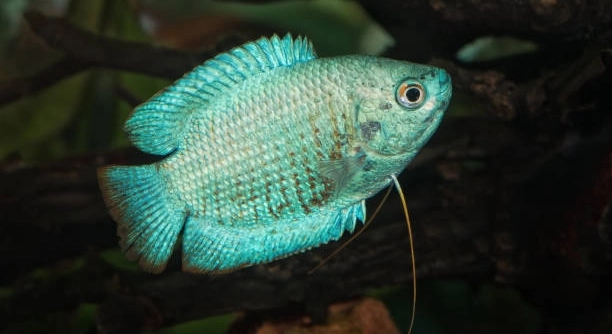
Gouramis are peaceful freshwater fish often seen sitting still for long periods in aquariums. This calm behavior can sometimes make owners wonder if something is wrong or if the fish is simply resting. Understanding why they stay motionless helps in caring for them properly.
Gouramis sit motionless primarily to conserve energy and regulate their breathing. They use this behavior to stay calm, avoid stress, and blend into their surroundings for protection. Additionally, resting quietly helps maintain their health in varying water conditions.
Learning more about this behavior can improve how you care for your gourami and create a more comfortable environment for your fish to thrive.
Reasons Gouramis Sit Still for Long Periods
Gouramis often remain motionless to save energy and avoid unnecessary stress. Being slow and calm helps them blend into their environment, which is a natural defense against predators. They also use this time to rest their muscles after swimming or exploring. Another reason is related to breathing. Gouramis have a special organ called the labyrinth, which allows them to breathe air from the surface. Sitting still near the top helps them take in oxygen efficiently without wasting energy. Sometimes, motionless behavior can also mean the fish is adjusting to changes in water temperature or quality. When the water conditions are not ideal, gouramis tend to be less active. It’s important to watch for other signs, like changes in appetite or color, to know if the fish is healthy or needs attention. Overall, staying still is a natural and important part of their behavior.
Gouramis use stillness as a way to rest and manage their breathing efficiently. It’s a normal and healthy behavior when the environment is stable.
Watching how your gourami balances activity and rest can help you understand its needs better. Learning to recognize these moments will improve your care and keep your fish comfortable.
When Stillness Signals a Problem
Occasionally, long periods of stillness can indicate health issues or poor water quality.
If your gourami sits still and shows signs like clamped fins, loss of appetite, or unusual spots, it may be sick. Poor water conditions, such as high ammonia or low oxygen, also cause lethargy. In these cases, testing the tank water and performing partial water changes can improve their environment quickly. Stress from overcrowding or aggressive tank mates can also lead to this behavior. It is important to maintain a clean, stable aquarium with proper filtration and suitable companions. Regular observation will help catch problems early before they become serious. Healthy gouramis should swim around actively between resting periods, so any drastic change in behavior deserves attention. Addressing these factors promptly ensures your fish stays healthy and happy.
How Environment Affects Gourami Behavior
Water temperature plays a big role in how active gouramis are. Cooler water slows their metabolism, making them less likely to swim around.
If the water is too warm or too cold, gouramis may sit still more often to cope with stress. Ideal temperatures for gouramis range from 74 to 82°F (23 to 28°C). Outside this range, they become sluggish or restless. Water quality is equally important—poor conditions cause discomfort and lethargy. Clean, well-filtered water with stable parameters helps gouramis feel safe and active. Plants and hiding spots in the tank give them a sense of security, encouraging natural behavior. When their environment meets these needs, gouramis balance movement with resting calmly.
Light levels also influence their behavior. Bright lights might make gouramis hide or stay still, while dimmer, natural lighting helps them feel relaxed and more likely to explore. Regular tank maintenance and monitoring are key to creating a comfortable habitat that supports their normal activity patterns.
Observing Gourami Behavior for Better Care
Pay close attention to how often your gourami stays still versus swims.
Changes in these patterns can signal health or environmental issues. If a usually active fish becomes motionless for longer than usual, it may be stressed or ill. Note when they sit still—after feeding, during certain times of day, or after tank changes. Observing their breathing rate and fin movement can also reveal problems early. Consistency in behavior often means your gourami is comfortable. By learning their typical patterns, you can quickly spot when something is off. This awareness helps you take timely action to improve their tank conditions or seek veterinary advice, ensuring your gourami stays healthy and happy for a long time.
Feeding and Activity Levels
Gouramis often sit still after eating to digest their food properly. This rest helps them use energy efficiently.
Feeding them small amounts multiple times a day keeps their activity balanced and prevents overeating, which can cause sluggishness or bloating.
Social Behavior and Stillness
Gouramis sometimes stay motionless to avoid conflict with tank mates. They prefer peaceful surroundings and may freeze when feeling threatened.
In a calm tank, gouramis show more natural movement. Aggressive or noisy fish nearby can make them hide or sit still to stay safe. Providing plenty of hiding spots reduces stress and encourages healthier activity.
Seasonal Changes and Behavior
Gouramis may change their activity with the seasons. Cooler months can slow them down, leading to longer resting periods.
Adjusting water temperature slightly during seasonal shifts helps maintain their comfort and keeps them more active throughout the year.
FAQ
Why does my gourami sit still for hours but then suddenly move quickly?
Gouramis balance rest with bursts of activity. Sitting still helps them save energy, while sudden quick movements usually happen when they explore or react to something in their environment. This behavior is normal and shows they are alert but conserving energy.
Is it okay if my gourami stays still most of the day?
Yes, it is normal for gouramis to rest a lot. They are not as active as some other fish. However, if stillness is combined with signs like loss of appetite, pale color, or labored breathing, it could mean stress or illness, so check water conditions and fish health carefully.
Can poor water quality cause my gourami to stay still?
Absolutely. High ammonia, nitrite, or nitrate levels make gouramis uncomfortable and lethargic. Regular water testing and tank maintenance keep the environment clean, helping your fish feel safe and active. Unhealthy water can lead to sickness and prolonged stillness.
Do gouramis need specific temperature ranges to stay active?
Yes, gouramis prefer water between 74 and 82°F (23 to 28°C). Temperatures outside this range slow their metabolism, causing them to sit still more. Maintaining stable water temperature helps keep gouramis healthy and lively.
Why does my gourami sit near the surface motionless?
Gouramis have a labyrinth organ allowing them to breathe air. Sitting near the surface helps them take in oxygen easily. This is natural behavior, especially if oxygen levels in the water are low or after exercise.
Could my gourami’s stillness be due to stress?
Stress from aggressive tank mates, overcrowding, or sudden changes in the environment can cause gouramis to freeze or hide. Ensuring a peaceful tank with plenty of hiding spots reduces stress and promotes natural behavior.
Should I be worried if my gourami doesn’t swim much at night?
No, gouramis often rest at night and reduce their activity, similar to many animals. This resting phase is normal and important for their health.
How can I encourage my gourami to be more active?
Keep the tank clean, maintain proper temperature, provide hiding places, and avoid overcrowding. Feeding small amounts regularly and reducing stress will help your gourami feel secure enough to swim and explore more.
Is it normal for gouramis to stay still after feeding?
Yes, resting after eating helps them digest food. If they stay still too long or appear bloated, it could mean overfeeding, so adjust feeding amounts accordingly.
When should I seek help for my gourami’s stillness?
If stillness comes with other symptoms like rapid breathing, color changes, spots, or loss of appetite, it’s time to test water quality and consult a vet or fish expert. Early attention can prevent serious health problems.
Gouramis are known for their calm and gentle nature, which often shows in the way they sit still for long periods. This behavior is a natural part of how they live and helps them save energy. Sitting motionless allows them to rest, regulate their breathing using their special labyrinth organ, and stay safe by blending into their surroundings. Understanding that this is normal can help you feel more confident as you care for your gourami and watch its quiet moments. Rest is just as important for fish as it is for any other animal, and gouramis use these times to stay healthy.
It is also important to remember that not all stillness is the same. Sometimes, if a gourami is motionless more than usual or shows other signs like loss of appetite or color changes, it could mean something is wrong. Poor water quality, wrong temperature, stress, or illness can cause gouramis to be less active. Keeping the tank clean and maintaining good water conditions helps prevent many problems. Watching your fish carefully and learning its usual behavior helps you notice when it needs help early on. Providing a calm environment with hiding places and proper temperature will keep your gourami comfortable and more likely to swim happily.
Overall, gouramis sitting still for long periods is usually normal and part of their natural behavior. It helps them rest, conserve energy, and feel safe. Paying attention to their habits, environment, and health will help you enjoy having these peaceful fish in your aquarium. When you understand why gouramis behave this way, you can provide better care and ensure they live a healthy, comfortable life. With a little patience and observation, you can appreciate the quiet beauty of your gourami’s still moments as much as their active ones.

Hello,
If you enjoy the content that we create, please consider saying a "Thank You!" by leaving a tip.
Every little bit helps us continue crafting quality advice that supports the health, happiness, and well-being of pets around the world, for pets of all shapes, sizes, and species.
We really appreciate the kindness and support that you show us!