
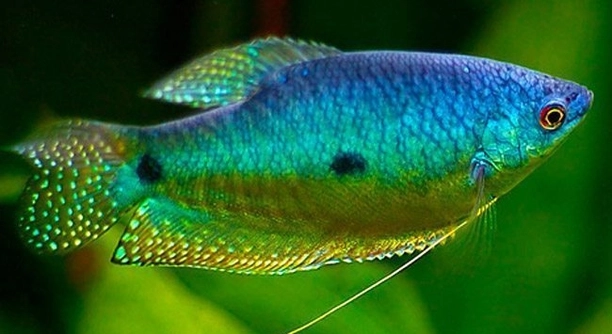
Gouramis are popular freshwater fish known for their vibrant colors and peaceful nature. They usually eat well in captivity, making them enjoyable pets. Sometimes, however, they may ignore food, which can worry their owners.
When gouramis ignore food, it often indicates stress, illness, water quality issues, or unsuitable tank conditions. Identifying these causes quickly is essential for restoring their appetite and maintaining overall health. Proper care and observation are key to addressing feeding problems.
Understanding why gouramis refuse food helps ensure their well-being. This article will explain common reasons and practical steps to support your fish’s health effectively.
Common Reasons Gourami Ignore Food
Gouramis may stop eating for several reasons, often related to their environment or health. Stress is a leading factor. Changes in tank conditions, such as sudden temperature shifts or poor water quality, can make gouramis uneasy and reduce their appetite. Illness also plays a major role. Bacterial infections, parasites, or internal issues may cause a loss of interest in food. Additionally, if the fish are kept with aggressive tank mates, they might feel threatened and eat less. Sometimes, overfeeding or offering the wrong type of food can lead to disinterest. Gouramis have preferences, and they may ignore food that does not appeal to them. Lastly, breeding behavior can cause temporary fasting. During this time, they focus more on nest building and caring for eggs than eating. Identifying the exact cause is necessary to restore healthy eating habits and maintain your gourami’s well-being.
Loss of appetite in gouramis is rarely permanent but requires timely attention to prevent serious health problems.
Observing your gourami’s behavior closely helps determine whether the cause is environmental, health-related, or due to feeding habits. Testing water parameters regularly is crucial, as poor water quality quickly impacts fish health. Make sure temperature and pH levels match species requirements. Treat any signs of illness promptly by consulting a veterinarian or using appropriate medications. Adjust feeding by offering fresh, varied food such as live or frozen options instead of dry flakes alone. If aggression is an issue, consider separating fish or rearranging the tank to reduce stress. Patience is important, as gouramis may need time to return to normal feeding after changes or illness.
How to Encourage Gourami to Eat Again
Providing a calm, clean environment is essential for encouraging gouramis to resume eating. Make sure water is fresh and stable, and avoid sudden changes. Removing aggressive tank mates can reduce stress, allowing gouramis to feel safer and more willing to eat.
When gouramis refuse food, offering a variety of foods can help. Try live foods like brine shrimp or bloodworms, which are often more tempting. Feeding smaller portions more frequently can also stimulate appetite. Monitoring your fish’s behavior daily helps catch problems early. If your gourami continues to ignore food, it may need medical treatment. Keeping a consistent feeding schedule and maintaining tank cleanliness supports healthy feeding habits and overall fish health.
Signs That Your Gourami Is Stressed
Stress in gouramis can show through changes in behavior and appearance. They may hide more often, swim erratically, or appear lethargic. Loss of appetite is also common when they are under stress. Identifying these signs early can prevent further health issues.
Stress often results from poor water quality, aggressive tank mates, or sudden changes in the environment. When gouramis feel threatened, their immune system weakens, making them vulnerable to disease. Monitoring water temperature, ammonia, nitrate, and nitrite levels regularly is essential. Keeping the tank clean and stable helps reduce stress. Providing plenty of hiding spots and avoiding overcrowding can make gouramis feel secure. Adjusting tank mates to peaceful species also creates a calm environment. Managing stress through proper care ensures your gourami stays healthy and active.
In some cases, stress-related symptoms might mimic illness, so observing behavior over time is important. If signs persist despite environmental improvements, a health check may be needed.
Feeding Tips for Picky Gouramis
Gouramis can be selective about their food. Offering a variety of options keeps them interested and ensures balanced nutrition. Incorporate live foods like brine shrimp, daphnia, or bloodworms alongside high-quality flakes or pellets. This mix stimulates natural hunting instincts and encourages eating.
Feed smaller amounts multiple times a day instead of one large meal to avoid overfeeding and maintain water quality. Remove uneaten food promptly to prevent contamination. Occasionally, changing the feeding location in the tank can spark curiosity and encourage feeding. Ensuring fresh, nutrient-rich food helps maintain vibrant colors and vitality. Consistent feeding schedules also build a routine that gouramis respond well to, making them more likely to eat regularly.
Water Quality and Its Impact on Appetite
Poor water quality is a common reason gouramis refuse food. High levels of ammonia, nitrites, or nitrates cause discomfort and stress, leading to loss of appetite. Regular water testing is essential.
Changing water frequently and maintaining proper filtration helps keep the tank environment healthy. Clean water supports fish health and encourages normal eating behavior.
Illness and Feeding Behavior
Illness often causes gouramis to stop eating. Common issues include bacterial infections, parasites, and internal problems. Watch for additional signs like discoloration, clamped fins, or labored breathing. Prompt diagnosis and treatment are necessary to prevent worsening conditions and restore appetite.
Tank Mates and Stress
Aggressive or overly active tank mates can intimidate gouramis, making them reluctant to eat. Ensuring compatibility and providing hiding places reduces stress and supports feeding.
Breeding and Appetite Changes
During breeding, gouramis often reduce food intake as their focus shifts to reproduction activities and nest building. This is usually temporary and normal.
FAQ
Why is my gourami ignoring food even though the tank looks fine?
Sometimes the tank may appear fine, but subtle issues like slight temperature fluctuations, invisible water quality problems, or stress from nearby disturbances can affect gourami appetite. Even mild stress can make them stop eating temporarily. Regularly checking water parameters and keeping a calm environment helps prevent this.
How long can gouramis go without eating before it becomes dangerous?
Gouramis can typically survive a week without food, but longer periods increase health risks. Prolonged fasting weakens their immune system, making them more susceptible to disease. If your gourami refuses food for more than a few days, it’s important to identify the cause and act quickly.
Can overfeeding cause my gourami to stop eating?
Yes, overfeeding can reduce their appetite because leftover food pollutes the water, causing stress and discomfort. It also affects their digestion. Feeding small, measured amounts and removing uneaten food prevents this problem and promotes healthy eating habits.
Are there specific foods that gouramis prefer?
Gouramis generally enjoy live or frozen foods such as brine shrimp, daphnia, and bloodworms. High-quality flakes and pellets can also be part of their diet. Varying their food types keeps them interested and ensures balanced nutrition.
Is it normal for gouramis to stop eating during breeding?
Yes, it’s normal. During breeding, gouramis focus on nest building and protecting eggs rather than eating. This temporary fasting usually lasts a few days. After breeding, they generally return to regular feeding patterns.
What should I do if my gourami stops eating and shows signs of illness?
If your gourami stops eating and displays symptoms like faded colors, clamped fins, or difficulty swimming, consult a vet or aquarium specialist. Early diagnosis and treatment are critical. Quarantine sick fish if possible to prevent spreading illness.
How does tank size affect a gourami’s appetite?
A tank that is too small can cause stress and restrict natural behavior, leading to appetite loss. Gouramis need enough space to swim freely and establish territory. A properly sized tank supports their health and encourages normal feeding habits.
Can changing tank mates improve my gourami’s eating habits?
Yes, if current tank mates are aggressive or overly active, they can stress gouramis and interfere with feeding. Introducing peaceful species or providing hiding spots can reduce stress and help gouramis eat better.
How often should I test my aquarium water?
Testing water at least once a week is recommended. Frequent checks help detect harmful changes early, allowing you to take corrective action before your gourami’s health or appetite is affected.
Can seasonal changes affect my gourami’s appetite?
Seasonal temperature fluctuations or changes in lighting can impact gouramis. Cooler water slows metabolism, reducing hunger. Maintaining stable conditions year-round helps keep their appetite consistent.
Is fasting ever recommended for gouramis?
Occasional fasting, such as one day a week without food, can improve digestion and prevent overfeeding. However, prolonged or frequent fasting should be avoided unless directed by a specialist.
How can I make my gourami more comfortable to encourage feeding?
Keep the tank environment stable with regular water changes and temperature control. Provide plants or decorations for hiding. Avoid sudden noise or movement around the tank. A calm setting promotes comfort and appetite.
Are there any signs that indicate a gourami is stressed but not sick?
Signs of stress include hiding more than usual, rapid gill movement, or unusual swimming patterns. These may appear without illness but still affect appetite. Addressing environmental factors usually improves their condition.
What is the best way to introduce new food to a picky gourami?
Introduce new food gradually by mixing it with familiar food. Offering live or frozen treats intermittently can stimulate interest. Patience is important, as gouramis may need time to accept new options.
Should I quarantine new fish before adding them to my gourami tank?
Yes, quarantining new fish for at least two weeks helps prevent introducing diseases that could stress or infect your gouramis, protecting their health and appetite.
Can poor lighting affect my gourami’s eating habits?
Improper lighting can stress gouramis and disrupt their natural behavior. Moderate, consistent lighting that mimics their natural environment supports normal activity and feeding. Avoid bright or flashing lights that cause stress.
Final Thoughts
Gouramis ignoring food is a sign that something in their environment or health may need attention. It is important to carefully observe their behavior and surroundings to identify possible causes. Factors such as water quality, stress from tank mates, illness, and changes in routine can all influence a gourami’s appetite. Taking steps to maintain stable conditions and monitor their well-being can help prevent feeding problems from becoming serious.
Maintaining a clean, properly sized tank with suitable water parameters is essential for gourami health. Regular testing for ammonia, nitrite, nitrate, and temperature keeps the environment safe and comfortable. Providing a calm setting with compatible tank mates and places to hide reduces stress. Offering a varied diet of high-quality flakes, pellets, and live or frozen foods supports balanced nutrition and keeps gouramis interested in eating. Patience and consistency are key, as gouramis may take time to adjust when conditions change.
If a gourami stops eating for an extended period or shows signs of illness, prompt action is necessary. Observing additional symptoms like discoloration, lethargy, or labored breathing can help determine if medical treatment is needed. In some cases, consulting an aquarium specialist or veterinarian is the best course of action. Addressing issues early increases the chances of a full recovery. Understanding these factors and responding accordingly ensures your gourami remains healthy and active in its aquatic home.

Hello,
If you enjoy the content that we create, please consider saying a "Thank You!" by leaving a tip.
Every little bit helps us continue crafting quality advice that supports the health, happiness, and well-being of pets around the world, for pets of all shapes, sizes, and species.
We really appreciate the kindness and support that you show us!