
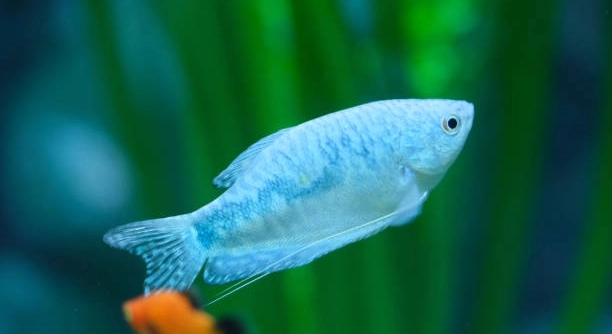
Do gouramis tend to hide when they sense changes in their environment? Many fish owners notice shifts in behavior, especially when something new or different happens around their aquarium. Understanding this reaction can help improve care and comfort for these fish.
Gouramis often retreat or hide when sensing changes in their surroundings. This behavior is a natural response to stress or uncertainty, helping them feel safer and avoid potential threats in their environment.
Recognizing these behaviors can improve your ability to create a calm, stable habitat for your gourami, promoting its well-being and reducing stress-related issues.
Why Gouramis Hide When They Sense Change
Gouramis are sensitive to their environment. When something changes, like new decorations, water temperature shifts, or even a sudden noise, they often respond by hiding. This behavior is a way to protect themselves from what they perceive as potential danger. In the wild, hiding helps them avoid predators, so this instinct remains strong even in home aquariums. When a gourami feels uncertain or stressed, it looks for places where it feels secure, like plants, caves, or corners of the tank. Changes can be small or big, but any sudden difference may cause them to retreat. If the tank setup is stable and consistent, gouramis usually feel more confident and show normal activity. However, repeated or extreme changes can keep them hiding for longer periods, which is a sign they are stressed and uncomfortable.
Hiding is a natural survival mechanism that gouramis use to reduce stress and feel safe.
Keeping a consistent and calm environment helps gouramis feel secure and lowers the chance of hiding due to stress.
How to Help Gouramis Feel Safe and Reduce Hiding
Creating a stable environment is key to reducing hiding behavior in gouramis. Start by maintaining steady water conditions like temperature, pH, and cleanliness. Avoid sudden changes, such as quick water swaps or new decorations introduced too fast. Providing plenty of hiding spots, like plants and caves, gives gouramis a place to retreat when they need to feel safe. When handling or cleaning the tank, try to be gentle and calm to avoid startling them. Over time, consistent care helps gouramis adjust better to minor changes without feeling the need to hide. Feeding at regular times also helps build trust and routine. Patience is important—if a gourami hides, give it time to feel secure again instead of forcing interaction too soon. This approach supports a healthier, happier fish that is more comfortable in its home.
Signs That Gouramis Are Hiding Due to Stress
When gouramis hide because of stress, they usually stay still in one spot for long periods. They avoid swimming around or interacting with other fish. You might notice them retreating to dark corners or thick plants more often than usual.
Stress hiding often comes with other signs, like loss of appetite or dull colors. A stressed gourami may also breathe faster or appear lethargic. These behaviors show the fish is uncomfortable or frightened. It’s important to watch for these signs to act quickly and reduce their stress. Providing a quiet environment and maintaining water quality can help calm them. Stress can make gouramis vulnerable to illness, so early attention is essential to keep them healthy.
If you notice these behaviors, try to find what caused the stress. It could be sudden tank changes, aggressive tank mates, or poor water conditions. Fixing these issues will encourage the gourami to come out more often and behave normally again.
The Role of Tank Setup in Gourami Hiding Behavior
The way your tank is set up plays a big role in whether gouramis feel safe or stressed. A tank with enough hiding spots, such as plants and caves, gives them places to retreat when needed. Without these, gouramis might feel exposed and hide more.
Water conditions like temperature, pH, and cleanliness also impact their comfort. Gouramis thrive in stable environments with temperatures around 74-82°F and neutral pH. Sudden shifts in water quality or temperature can trigger hiding behavior. Tank size matters too; overcrowded tanks cause stress and force gouramis to hide. Giving them space to swim freely helps reduce anxiety and encourages natural behavior. Regular monitoring and maintenance of the tank environment is key to keeping gouramis relaxed and visible.
Common Environmental Triggers for Gourami Hiding
Loud noises and sudden movements near the tank often cause gouramis to hide. Bright, direct lighting can also make them uncomfortable, pushing them to seek shelter.
Changes in water parameters, like pH swings or temperature drops, frequently lead to hiding. Gouramis prefer stable conditions and may retreat when these are disrupted.
Impact of Tank Mates on Gourami Behavior
Aggressive or overly active tank mates can stress gouramis, causing them to hide more often. Peaceful companions help gouramis feel safer and encourage them to explore the tank. When choosing tank mates, consider calm species that won’t chase or nip at gouramis. Proper compatibility reduces stress and promotes natural behavior.
Feeding Routine and Its Effect on Hiding
A regular feeding schedule helps gouramis feel secure. Irregular feeding times can make them anxious and more likely to hide.
When to Seek Help for Your Gourami
If your gourami hides excessively and shows signs of illness, consult an aquatic specialist.
Why does my gourami hide all the time?
Gouramis often hide when they feel stressed, scared, or unsure about their environment. Constant hiding can mean your fish is uncomfortable due to water conditions, tank mates, or changes in the tank setup. It might also be reacting to illness or injury. Check water quality, ensure peaceful tank mates, and provide enough hiding spots. If hiding continues, consider if the tank is too small or if there are sudden noises or movements nearby. Addressing these factors usually helps gouramis feel safe and more active.
Is it normal for gouramis to hide after moving to a new tank?
Yes, it’s very normal. Moving to a new tank can be stressful because everything is unfamiliar—lighting, water parameters, and decorations. Gouramis need time to adjust and feel secure. Providing plenty of plants and hiding places during this period helps. Keep the environment calm and stable, and avoid sudden changes. Over a few days to weeks, your gourami should start exploring more and hiding less as it becomes comfortable.
How long do gouramis typically hide when stressed?
The length of hiding varies depending on the cause and severity of the stress. Minor changes may cause gouramis to hide for a few hours to a couple of days. More serious stress, like illness or poor water quality, can lead to hiding that lasts several days or even weeks. Continuous hiding is a sign to review tank conditions carefully and possibly consult a vet or aquatic specialist. Consistency in care is key to helping gouramis feel secure again.
Can poor water quality cause gouramis to hide?
Yes, poor water quality is a common reason for hiding. High ammonia, nitrite, or nitrate levels, incorrect pH, or sudden temperature shifts make gouramis uncomfortable and stressed. They hide as a survival instinct when their environment feels unsafe. Regular water tests and maintenance, like partial water changes and cleaning, keep water healthy. Maintaining stable conditions helps gouramis stay active and visible.
Will gouramis come out if they feel safe enough?
Absolutely. Gouramis will come out and swim freely once they feel safe and comfortable in their environment. A well-set tank with proper hiding spots, peaceful tank mates, and stable water conditions encourages them to explore. Over time, gouramis can become more confident and even interact with owners during feeding. Patience and care are important while they adjust.
Do gouramis hide more at night or during the day?
Gouramis may hide more during bright daylight because strong lighting can make them feel exposed. They often prefer dimmer areas or shaded spots during the day. At night, they tend to be less active and find cozy hiding places to rest. Providing shaded areas and plants helps create comfortable lighting levels that match their natural preferences.
Can stress from tank mates cause hiding?
Yes, aggressive or overly active tank mates can scare gouramis into hiding. Gouramis are peaceful fish and do best with other calm species. Fish that chase, nip, or crowd them cause stress and force them to retreat. Choosing compatible tank mates and providing enough space and hiding spots reduces this problem.
What are the best hiding spots for gouramis?
Good hiding spots include dense plants (live or artificial), caves, rock formations, and decorations that offer shade and shelter. Floating plants also create cover at the water surface. These spots help gouramis feel secure and reduce stress. Make sure hiding places are easy to access but not so tight that the fish gets trapped.
How can I reduce my gourami’s hiding behavior?
Keep water conditions stable, maintain a clean tank, and avoid sudden changes. Choose peaceful tank mates and provide plenty of hiding places. Establish a regular feeding schedule to build routine and trust. Handle the tank gently and keep noise low around the aquarium. Over time, these steps help gouramis feel secure and reduce hiding.
When should I be worried about my gourami hiding?
Be concerned if your gourami hides constantly for many days and shows other signs like loss of appetite, faded colors, rapid breathing, or unusual swimming. These may indicate illness or poor water quality. In such cases, test the water and consider consulting an aquatic vet or expert. Early action improves the chance of recovery.
Can changes in lighting cause hiding?
Yes, sudden or very bright lighting can startle gouramis and make them hide. Gradually adjusting light levels and providing shaded areas or plants can ease this stress. Using a timer for aquarium lights creates a consistent day-night cycle that helps gouramis adapt.
Does feeding affect hiding behavior?
Regular feeding at set times helps gouramis feel secure and builds trust. Irregular feeding or poor diet can cause stress, leading to hiding. Use quality food suited for gouramis and feed moderate amounts. Watching feeding behavior also helps spot if your fish is healthy or stressed.
Gouramis are sensitive fish that rely heavily on their environment to feel safe and comfortable. When they sense changes around them, whether in water quality, lighting, tank mates, or the layout of their tank, they often respond by hiding. This behavior is natural and helps them protect themselves from perceived threats. While hiding can be a normal reaction, it can also signal stress or discomfort if it lasts too long or happens frequently. Understanding why gouramis hide and recognizing the signs can help you create a better home for your fish.
Maintaining a stable and calm environment is the best way to reduce hiding behavior in gouramis. Consistency in water parameters like temperature, pH, and cleanliness plays a major role in how secure they feel. Sudden changes can easily cause stress, so it’s important to monitor these factors regularly and make any adjustments slowly. Providing plenty of hiding spots with plants, caves, or decorations gives gouramis safe places to retreat when they feel unsure. It’s also helpful to choose tank mates that are peaceful and not aggressive, as this prevents additional stress for your gourami.
Finally, patience and observation are key when caring for gouramis. It may take some time for them to adjust to a new tank or changes in their environment. Watching their behavior closely can help you identify any problems early. Regular feeding routines and gentle handling support their comfort and confidence. When you provide a steady and peaceful habitat, gouramis will feel less need to hide and will show more of their natural, active behavior. This leads to a healthier fish and a more enjoyable aquarium experience overall.

Hello,
If you enjoy the content that we create, please consider saying a "Thank You!" by leaving a tip.
Every little bit helps us continue crafting quality advice that supports the health, happiness, and well-being of pets around the world, for pets of all shapes, sizes, and species.
We really appreciate the kindness and support that you show us!