
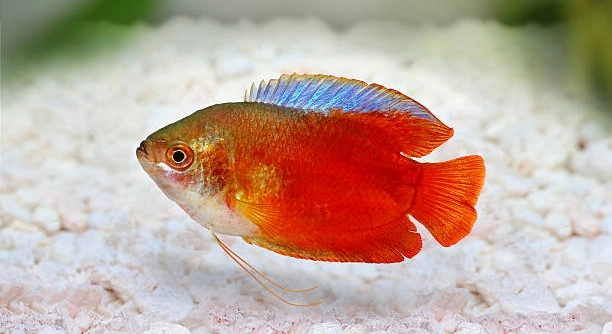
Are your gouramis acting differently whenever someone walks past the tank or when music plays nearby? These small changes might seem unimportant, but your fish could be sensing more than you think through the water around them.
Gouramis can indeed react to tank vibrations. Their lateral line system allows them to detect subtle changes in water movement, which can be caused by sound or motion. Excessive vibrations may cause stress or behavioral changes in sensitive fish like gouramis.
Understanding how vibrations affect your gourami can help you create a calmer, healthier tank environment for your fish to thrive.
How Vibrations Travel Through Water
Gouramis live in a world shaped by water movement. Unlike air, water is denser, so sound and vibrations travel faster and further. In an aquarium, vibrations from footsteps, loud music, or even filter systems can travel through the glass and into the water. Gouramis pick up on these subtle shifts using their lateral line system, which is made up of tiny receptors along their sides. This system helps them detect motion and changes in pressure. In nature, this is useful for detecting predators or other fish. But in a tank, frequent or strong vibrations may cause confusion or stress. It’s especially noticeable in more sensitive species like dwarf gouramis, who tend to be skittish by nature. Keeping the tank in a calm, low-traffic area and using soft surfaces around it can help minimize unwanted vibration exposure for your fish.
Gouramis may respond to these vibrations by hiding, darting away, or refusing to eat.
Over time, consistent vibrations may change how your gourami behaves in its environment. You might see less activity during the day or more hiding behind decorations or plants. Some gouramis even become territorial or aggressive if they feel unsafe. While these behaviors may be subtle, they’re worth watching. Too much stress can lead to lowered immunity, making fish more prone to disease. Keeping their surroundings peaceful is not just about comfort—it helps protect their overall health. If your aquarium is near a TV, a loud speaker, or an area with frequent movement, think about shifting its position. Adding a soft mat under the tank can also absorb some of the ground-based vibrations. It doesn’t take much to make a difference. Simple changes can go a long way in helping your gouramis feel more secure and relaxed in their home.
Signs Your Gourami Feels Unsettled
Unusual swimming patterns, sudden hiding, or skipping meals can be signs that your gourami is reacting to vibrations or sudden tank disturbances.
While gouramis aren’t as reactive as some other species, they do show clear signs when something in their environment feels off. If your gourami frequently dashes to the bottom when someone walks by or hides for long periods, it could be reacting to nearby vibration or noise. Over time, these stressors may cause the fish to eat less or become more sluggish. Some gouramis may display defensive behavior, such as flaring their fins or chasing tank mates, especially if they feel threatened by ongoing disturbances. A fish that once swam openly might now stay tucked away behind plants. These changes might not seem dramatic at first, but when they happen regularly, it’s a sign that your gourami isn’t fully comfortable. By keeping an eye on these patterns, you can spot when something’s wrong and adjust their setup to help them feel at ease.
How to Reduce Tank Vibrations
Place the aquarium away from high-traffic areas like doorways, hallways, or near speakers. These spaces often create sudden vibrations that can startle gouramis. A quiet, low-activity corner helps reduce outside disturbances and makes your tank a calmer place for your fish.
Using a soft mat or pad under the tank stand can absorb surface vibrations and keep them from traveling through the glass. Rubber or foam pads work well for this purpose. Also, make sure the stand is sturdy and doesn’t wobble when touched. If you live in an apartment or have wooden floors, try to place the tank closer to a wall instead of the center of a room. Furniture bumping or floor creaking can send vibrations through the structure. You can also avoid placing the aquarium near appliances like washing machines or televisions, which can emit constant low-level vibrations your fish might notice.
Check the filter and air pump, too—these can sometimes cause strong vibrations inside the tank. If they’re rattling or buzzing, try placing foam underneath or switching to quieter models. A sponge filter is a gentler option and often less disruptive for gouramis. Keep cords from touching the glass, and make sure tubes and wires are secure. Loose cables can vibrate against the tank and create noise in the water. Sometimes, even shifting a piece of equipment a few inches can reduce the impact. Keep decorations firmly anchored as well. Floating or moving objects can create additional motion that may bother your fish. All these small adjustments can add up to a noticeably calmer aquarium space.
How Long It Takes Gouramis to Adjust
Some gouramis may settle within a day or two, while others might take a full week. The adjustment period depends on their personality and how severe the vibrations or disturbances were in the first place.
During this time, keep lighting soft and limit tank maintenance. Let them rest and observe from a distance. Avoid tapping the glass or moving decorations until their behavior returns to normal. Signs of improvement include steady swimming, regular feeding, and less hiding.
When Vibrations Might Be a Bigger Problem
If your gourami’s behavior doesn’t improve after making adjustments, there could be an underlying issue. Chronic stress from continuous exposure to vibration can weaken their immune system. This makes them more prone to illness and can lead to fin damage, discoloration, or aggressive behavior. If your tank setup is already in a quiet location and they’re still showing signs of stress, consider having their water tested and checking for other stress factors like tank mates, ammonia levels, or temperature shifts. Sometimes, it’s a mix of small things that add up. Keeping the tank calm and the environment stable gives your gourami the best chance to recover fully.
What to Avoid Doing
Avoid moving the tank around frequently. Each change in location causes new stress and vibration exposure that may worsen your gourami’s reaction.
FAQ
Can gouramis hear sounds outside the tank?
Gouramis don’t have ears like mammals, but they sense vibrations and pressure changes in the water through their lateral line system. Sounds nearby create vibrations that travel through the tank glass and water. So while they don’t “hear” in the usual way, they are sensitive to noises and movement around their environment.
Why do my gouramis hide when there’s noise?
Hiding is a natural response to perceived danger or stress. Loud sounds or vibrations can make gouramis feel threatened. When they hide, it helps them feel safer by reducing exposure to the disturbance. If your gouramis often hide when there’s noise, it’s a sign they’re sensitive to vibrations and need a quieter space.
Are all gourami species sensitive to vibrations?
Not all gouramis react the same way. Some species, like dwarf gouramis, tend to be more skittish and sensitive to vibration or sudden movement. Larger gouramis, like pearl gouramis, may tolerate mild vibrations better. However, any sudden or strong vibration can startle most fish, including gouramis.
How can I tell if vibrations are stressing my gouramis?
Watch for changes in behavior like excessive hiding, darting around, or refusal to eat. Stress can also show as faded colors, clamped fins, or lethargy. If these signs appear regularly after noise or movement near the tank, vibrations are likely affecting your fish.
Can tank equipment cause harmful vibrations?
Yes. Filters, air pumps, or heaters that vibrate or rattle can cause continuous low-level vibrations in the water. These constant disturbances may stress your gouramis over time. Checking equipment stability and upgrading to quieter models helps reduce this problem.
Will vibrations cause physical harm to gouramis?
Vibrations alone usually won’t cause direct physical injury. However, prolonged stress from frequent vibrations can weaken their immune system, making them more vulnerable to illness or fin damage. Reducing vibrations improves their overall health and resilience.
How can I reduce vibrations if I live in a busy household?
Place the tank away from high-traffic areas like doorways or near loud appliances. Use a foam mat or rubber pad under the tank stand to absorb vibrations. Avoid tapping the glass or moving the tank often. Small adjustments help create a more stable environment for your gouramis.
Are there signs that gouramis have fully adjusted to their environment?
Yes. When gouramis swim openly, eat regularly, and show bright colors, it indicates comfort. Reduced hiding and calm behavior during household activities also mean they’ve adjusted well. Consistent positive behavior shows your efforts to minimize vibrations are working.
Can vibrations affect breeding behavior in gouramis?
Vibrations can interfere with breeding since stress affects their willingness to spawn. Gouramis need calm and stable environments to build bubble nests and care for fry. If your tank has frequent disturbances, breeding may be delayed or unsuccessful until conditions improve.
Is it necessary to move the tank if vibrations persist?
Not always. Often, repositioning the tank to a quieter spot or adding vibration-absorbing materials can solve the issue. Moving the tank too often causes additional stress. Only consider relocation if the current spot cannot be adjusted for vibration reduction.
Can gouramis get used to regular vibrations over time?
Some gouramis may become less reactive as they get used to certain noises or vibrations, especially if these are consistent and not too strong. However, sudden or irregular vibrations are still likely to cause stress. Stability and predictability in the environment help fish feel safe.
Do vibrations affect other fish in the tank the same way?
Many fish sense vibrations through their lateral lines, but sensitivity varies by species. Some fish tolerate vibrations better, while others react strongly. If you have multiple species, it’s important to create an environment that suits the most sensitive fish to keep the whole tank peaceful.
What role does tank size play in vibration sensitivity?
Smaller tanks may transmit vibrations more directly through the water, potentially making the fish more sensitive to external disturbances. Larger tanks offer more space for fish to escape or find calmer spots. However, all tank sizes benefit from minimizing vibrations to reduce fish stress.
How often should I check for vibration issues in my tank?
Regular observation is key. Notice how your gouramis behave during daily activities or when there’s noise nearby. Check equipment monthly to ensure it isn’t causing rattling or vibrations. Being proactive helps catch issues before they impact your fish’s health.
Can placing plants or decorations help reduce the effects of vibrations?
Yes. Live plants and sturdy decorations can absorb some water movement and give fish places to hide or feel secure. Plants also improve water quality, which supports overall fish health. Arranging the tank with plenty of cover can reduce stress caused by vibrations.
Are there specific tank stands designed to reduce vibrations?
Some stands are built with vibration-dampening materials like rubber feet or foam padding. These stands can absorb shocks from floors or foot traffic. Investing in a solid, vibration-reducing stand can make a difference, especially in homes with wooden floors or heavy footfall.
How does water depth affect vibration transmission?
Deeper water can sometimes help dissipate vibrations more before they reach fish at lower levels. However, vibrations in the tank water tend to spread quickly overall. Keeping water clean and stable is more important for reducing stress than water depth alone.
Should I avoid placing the tank near windows or external walls?
External walls or windows can transmit outdoor vibrations from traffic or construction. This can disturb gouramis if the tank is placed directly against these surfaces. If unavoidable, adding soundproofing or thick curtains can help reduce outside noise and vibrations.
Final Thoughts
Gouramis are delicate fish that can be sensitive to their environment, especially vibrations. These small movements in or around the tank can affect their behavior and overall well-being. It’s important to recognize that vibrations do not just come from obvious sources like tapping on the glass but also from daily household activities, equipment, or even the surface the tank sits on. Being aware of these factors helps create a calmer space for your gouramis, allowing them to live comfortably and stay healthy.
Reducing vibrations in the tank environment is a practical way to lower stress for your gouramis. Simple steps like placing the aquarium away from busy areas, using padding under the stand, and choosing quieter equipment can make a big difference. Observing your fish regularly will help you notice any changes in their behavior that might signal discomfort. When gouramis feel secure and relaxed, they show it through normal swimming patterns, bright colors, and regular eating habits. Providing a stable environment supports their natural behaviors and encourages a longer, healthier life.
It’s also useful to remember that while some vibrations can be unavoidable, consistency in the tank’s surroundings is key. Sudden or frequent changes cause more stress than steady background noise or mild, predictable vibrations. Over time, gouramis may adapt to certain conditions if these remain stable. Creating a peaceful tank setup is not only good for the fish but also makes caring for them easier. By paying attention to vibrations and other environmental details, you can help your gouramis thrive and enjoy a better quality of life in your home.

Hello,
If you enjoy the content that we create, please consider saying a "Thank You!" by leaving a tip.
Every little bit helps us continue crafting quality advice that supports the health, happiness, and well-being of pets around the world, for pets of all shapes, sizes, and species.
We really appreciate the kindness and support that you show us!