
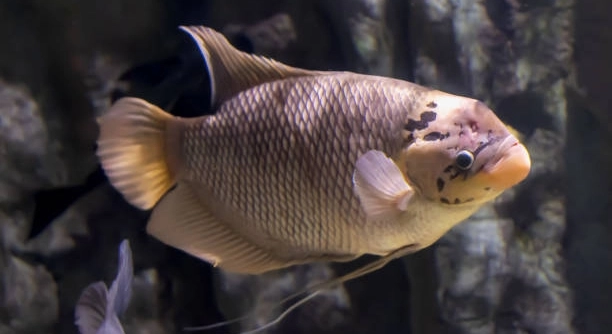
Are your gourami fish reacting strangely when there is movement nearby? Many fish owners notice changes in behavior when humans approach their tanks. Understanding how human motion affects gouramis can improve care and create a calmer environment for them.
Gouramis do show responses to human motion nearby. Sudden or frequent movements can cause stress, leading to changes in swimming patterns and feeding behavior. Minimizing abrupt motion near their habitat helps maintain their well-being and reduces stress-related impacts.
Observing how gouramis respond to motion provides valuable insight into their behavior and needs. This knowledge supports better aquarium management and promotes healthier fish.
How Gouramis Detect Human Motion
Gouramis are highly sensitive to changes in their environment. Their lateral line system detects vibrations and movement in the water, allowing them to sense nearby motion without relying solely on sight. When humans move close to the tank, this system picks up the disturbance, which may cause the fish to become alert or stressed. The reaction depends on the speed and frequency of the movement. Slow, calm gestures often go unnoticed, while sudden or repeated movements tend to provoke a stronger response. These reactions include hiding, erratic swimming, or temporary inactivity. Understanding this sensitivity can help in managing interactions with gouramis, ensuring the tank environment remains comfortable. Consistency in behavior around the tank reduces stress, which is important for maintaining their health and longevity. Avoiding quick or frequent motions can improve the fish’s daily experience and help maintain a stable, peaceful environment.
Human motion near the tank directly influences gouramis’ stress levels and behavior patterns.
Providing a calm and predictable environment is key to reducing stress caused by human activity. Gouramis thrive when movements are gentle and minimal, especially during feeding or tank maintenance. Fish often recognize routine and learn to associate slow, familiar actions with positive outcomes. Over time, this can decrease their fear response. Keeping lights dimmed during activity and approaching the tank slowly also helps. In contrast, abrupt or aggressive movements increase cortisol levels in gouramis, which can affect their immune systems and overall health. Therefore, it is beneficial to move mindfully around their habitat, particularly for sensitive or newly introduced fish. Small adjustments in how humans behave near the aquarium lead to a more stable and welcoming space for gouramis. This understanding supports better care practices and helps build a balanced aquatic environment.
Signs of Stress in Gouramis from Human Movement
Gouramis show stress through physical and behavioral changes.
Stress signs include rapid breathing, color fading, hiding more often, and refusing food. These reactions indicate discomfort with frequent or sudden human motion nearby.
Fish rely heavily on stable surroundings for their health. Stress can weaken their immune system, making them prone to illness. If a gourami frequently darts away or remains in corners, it often means it feels threatened or overwhelmed. Sometimes, they lose appetite or stop interacting with their environment. Reducing these stress triggers improves the fish’s mood and vitality. Caretakers should observe behavior regularly and adjust their actions accordingly. Providing hiding spots and maintaining a calm routine encourages a sense of safety. Consistent, gentle human interaction will eventually help gouramis feel more secure, allowing natural behavior to return. Being aware of these signs ensures timely intervention before stress leads to long-term health problems. This balance creates a better home for the gouramis and a more rewarding experience for the caretaker.
Minimizing Stress from Human Motion
Reducing stress from human motion is essential for gouramis’ health. Moving slowly and avoiding sudden gestures near the tank helps keep the fish calm.
Maintaining a calm atmosphere reduces the likelihood of stress responses. Approaching the tank gently during feeding or cleaning allows gouramis to stay relaxed. Using consistent routines can make human presence less alarming. For example, feeding at the same times and minimizing rapid movements near the aquarium can create a predictable environment. Over time, gouramis may become accustomed to regular activity, which lowers their stress levels. Avoiding tapping on the glass or waving hands abruptly is important, as these actions cause unnecessary agitation. Ensuring a quiet, steady presence around the tank supports a peaceful environment that promotes healthy behavior.
Providing hiding spaces within the tank is another way to help gouramis manage stress. Plants, caves, or decorations offer secure places where they can retreat when disturbed. These safe zones improve their overall comfort and sense of security, especially when human activity cannot be avoided.
Training Gouramis to Accept Human Presence
Gouramis can gradually adapt to human motion with patience and consistency.
Start by spending quiet time near the tank without sudden movements. Over days or weeks, the fish learn that human presence is not a threat. Pairing feeding with slow, calm actions helps build positive associations. Using the same spot and pace during feeding times trains gouramis to anticipate food rather than stress. Consistent routines ease anxiety and promote trust. Avoid rapid hand movements or tapping on the glass, as these reinforce fear. Instead, gentle gestures and predictable behavior encourage gouramis to remain calm even when humans are nearby. This process takes time but significantly improves the fish’s well-being and interaction with their environment.
Impact of Lighting and Movement
Lighting changes combined with human motion can increase stress in gouramis. Bright or flickering lights may intensify their reaction to nearby movement.
Keeping lighting steady and avoiding sudden changes helps gouramis remain calm. Dimmer, consistent lighting reduces startling effects and supports a stable environment.
Choosing the Right Tank Location
Positioning the tank away from high-traffic areas limits frequent human motion near gouramis. A quiet corner or room with less activity creates a better habitat.
Reducing external disturbances by placing the aquarium thoughtfully supports gouramis’ comfort. This simple step helps maintain peaceful conditions and lowers stress caused by constant motion.
When to Consult a Specialist
If gouramis continue to show signs of stress despite adjustments, consulting an aquatic veterinarian or fish expert is advisable. Persistent stress can impact health seriously.
Early intervention prevents long-term problems and ensures proper care. A professional can recommend tailored solutions based on specific behavior and environment factors.
FAQ
How sensitive are gouramis to human motion around their tank?
Gouramis are quite sensitive to movement near their environment. Their lateral line system detects vibrations and disturbances in the water caused by nearby motion. Sudden or repeated human movements can startle them, leading to stress or altered behavior. Slow, calm motions generally cause less disturbance and help maintain their comfort.
Can frequent human movement harm gouramis physically?
While human movement itself does not physically harm gouramis, constant stress from nearby activity can weaken their immune systems over time. This makes them more vulnerable to illness and reduces their overall health. Preventing stress by minimizing abrupt or frequent motion near the tank is important for their well-being.
Why do gouramis hide when people approach the tank?
Hiding is a natural stress response for gouramis when they feel threatened or uncomfortable. Movement near the tank triggers their flight instincts. Providing plenty of hiding spots inside the aquarium helps them feel safe. Over time, gentle human interaction can reduce this behavior by making them more comfortable.
How can I tell if my gourami is stressed?
Signs of stress include fading color, rapid gill movement, erratic swimming, loss of appetite, and excessive hiding. Stress weakens their immune system and can lead to illness. Regularly observing their behavior and adjusting your actions around the tank helps prevent long-term health issues.
Does lighting affect gouramis’ reaction to human movement?
Yes. Bright, flickering, or rapidly changing lighting can increase gouramis’ stress responses to nearby motion. Steady and dimmer lighting reduces startling effects, creating a calmer environment. Combining gentle lighting with minimal sudden movement improves their comfort significantly.
Is it helpful to train gouramis to accept human presence?
Training gouramis with slow, predictable routines can reduce their fear of human motion. Consistent feeding times paired with calm, gentle movements help them associate humans with positive experiences. This takes time but can improve their response and reduce stress-related behaviors.
Are some gourami species more sensitive to motion than others?
Yes. Some species, like the dwarf gourami, are naturally more skittish and sensitive to disturbances. Larger gouramis may tolerate motion better but still benefit from a calm environment. Knowing your species helps tailor care practices to their specific needs.
Can sudden movements cause permanent behavioral changes?
Repeated exposure to sudden motion can increase chronic stress in gouramis, which may lead to long-term behavioral changes like increased hiding or aggression. Consistently reducing abrupt motion near the tank helps prevent these negative effects.
What should I do if my gouramis seem constantly stressed?
Evaluate your tank environment and human activity around it. Reduce sudden movements, provide hiding spaces, and maintain consistent lighting and feeding routines. If stress signs persist, consult an aquatic veterinarian or fish behavior expert for tailored advice.
Does tank size influence how gouramis respond to human motion?
Larger tanks give gouramis more space to escape from disturbances, which can reduce stress. Smaller tanks may amplify reactions because fish have less room to avoid sudden movements. Ensuring appropriate tank size and layout helps minimize stress from human activity.
How often should I interact with my gouramis to avoid stressing them?
Regular, calm interactions are better than infrequent or erratic visits. Consistency helps gouramis recognize patterns and reduces fear. Avoid quick or aggressive movements during interactions to keep them relaxed.
Is tapping on the glass harmful to gouramis?
Tapping the glass startles gouramis and increases their stress. It mimics sudden disturbances in their environment, triggering a flight response. Avoid tapping or banging on the tank to maintain a peaceful atmosphere.
Can human motion during tank maintenance cause stress?
Yes. Maintenance often involves more movement near the aquarium and can disturb gouramis. Moving slowly, minimizing noise, and performing routine care consistently can reduce the impact. Providing hiding places during maintenance helps the fish feel secure.
Does the presence of other fish affect gouramis’ reaction to human motion?
Other fish in the tank can influence how gouramis react to disturbances. In a well-balanced community, social interactions may help reduce stress. However, overcrowding or aggressive tank mates can worsen reactions to human motion. Maintaining an appropriate tank population supports calmer behavior.
Are gouramis more sensitive to motion at certain times of day?
Gouramis tend to be more active and alert during daylight hours. Human movement during their resting periods may disturb them less. Understanding their daily activity cycle can help schedule tank interactions to minimize stress.
What environmental factors besides human motion impact gouramis’ stress?
Water quality, temperature, noise, and lighting all affect gouramis’ stress levels. Poor water conditions or loud noises can exacerbate reactions to motion. Maintaining stable water parameters and a quiet environment complements efforts to reduce stress from human activity.
Final Thoughts
Gouramis are sensitive to their surroundings, and human motion nearby can affect their behavior and well-being. It is important to remember that sudden or frequent movement around their tank may cause stress. Stress in gouramis can show in various ways, such as hiding, reduced appetite, or changes in swimming patterns. While these reactions are natural, ongoing stress can weaken their health. Maintaining a calm environment by moving slowly and gently around the tank helps gouramis feel more secure. Small changes in how you interact with your aquarium can make a significant difference in their comfort.
Providing a stable environment is key to reducing stress for gouramis. Consistent lighting, routine feeding times, and quiet surroundings all contribute to a more peaceful habitat. Adding plants and hiding places within the tank gives gouramis options to retreat when they feel disturbed. This helps them manage stress more effectively. Over time, gouramis can become more accustomed to human presence if care is taken to minimize sudden or aggressive motions. Gentle handling and steady routines encourage trust and reduce fear. These simple steps improve the overall health and longevity of your fish.
Understanding the impact of human motion on gouramis helps create a better environment for them. Taking time to observe their behavior and adjusting your actions accordingly benefits both the fish and the owner. If stress symptoms persist despite changes, consulting a professional is advisable to address potential health concerns. Ultimately, respecting gouramis’ sensitivity to movement and providing a calm, consistent habitat supports their well-being. This careful attention promotes a healthier, happier life for your gouramis in their aquatic home.

Hello,
If you enjoy the content that we create, please consider saying a "Thank You!" by leaving a tip.
Every little bit helps us continue crafting quality advice that supports the health, happiness, and well-being of pets around the world, for pets of all shapes, sizes, and species.
We really appreciate the kindness and support that you show us!