
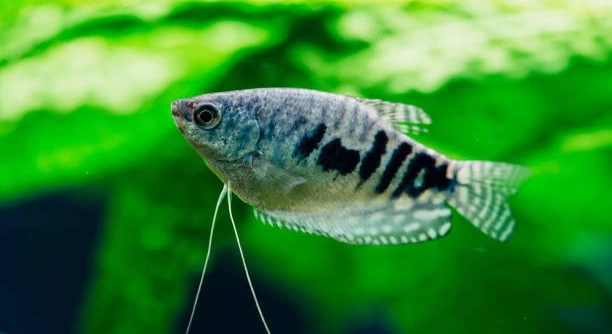
Gouramis are popular aquarium fish, admired for their bright colors and interesting behaviors. Many hobbyists enjoy watching them spawn, but sometimes the process takes longer than expected. Understanding common mistakes can help speed up spawning.
Several mistakes commonly delay gourami spawning, including improper water conditions, incorrect tank setup, lack of privacy, wrong diet, inconsistent temperature, poor lighting, and stress from tank mates. Addressing these factors is crucial to encourage timely breeding success.
Knowing these errors can improve your chances of seeing gouramis spawn sooner and help create a healthier environment for your fish.
Improper Water Conditions
Water quality plays a vital role in gourami spawning. If the water is not clean or its parameters are off, the fish may delay breeding. Gouramis prefer slightly acidic to neutral pH levels, around 6.0 to 7.0. Hard water or fluctuating pH can stress them, making spawning difficult. Temperature is equally important; gouramis breed best between 77°F and 82°F (25°C to 28°C). Chlorine or ammonia in the water also discourages spawning, so regular testing and partial water changes are essential. Maintaining stable water conditions helps reduce stress and creates an environment where gouramis feel safe to reproduce. Using a water conditioner and ensuring a well-established filter also support the right conditions. Patience is key, as sudden changes can set breeding back. Paying close attention to these details can significantly improve the chances of gouramis spawning on time.
Keeping water conditions stable is crucial for encouraging gourami breeding behavior.
A steady environment reduces stress, making gouramis more comfortable and ready to spawn. Simple habits like regular water tests and gentle water changes keep the aquarium safe and suitable for breeding. If you’ve struggled with spawning delays, reviewing your water quality is a smart first step to correct common problems before moving to more complex solutions.
Tank Setup and Privacy
Gouramis are shy when it comes to spawning and need privacy to feel secure. Overcrowded tanks or visible disturbances from other fish can prevent them from breeding. Providing plenty of plants and hiding spots helps create a safe area. Breeding gouramis prefer calm water with minimal current. Open swimming spaces mixed with dense foliage work best. A separate breeding tank or divider in a community tank can give them the privacy they need. Lighting should be soft, not too bright, as harsh light can cause stress. The right setup supports natural behaviors and encourages gouramis to build bubble nests or prepare for spawning. When the environment feels safe and quiet, gouramis are more likely to spawn sooner and successfully.
Wrong Diet
A poor diet can delay gourami spawning. They need a balanced mix of protein and plant-based foods to stay healthy and ready to breed. Feeding only flakes or low-quality food won’t provide the nutrients required for successful spawning.
Offering live or frozen foods like brine shrimp, bloodworms, or daphnia helps improve their condition. Supplementing with high-quality flakes or pellets ensures they get enough vitamins. Variety in their diet mimics what they would eat in nature, boosting energy levels and breeding readiness. Avoid overfeeding, as excess food can pollute the tank, causing stress and health issues that delay spawning.
Feeding gouramis a nutritious, varied diet increases their chances of spawning successfully. Consistent feeding routines also help regulate their behavior, making spawning more likely. If spawning is slow, adjusting the diet is often an easy and effective fix.
Inconsistent Temperature
Gouramis require stable temperatures to spawn properly. Frequent fluctuations or temperatures outside their preferred range cause stress and delay breeding. Keeping the tank temperature steady between 77°F and 82°F is essential for encouraging spawning behavior.
Using a reliable heater and thermometer helps maintain a constant temperature. Sudden drops or rises disrupt hormones related to reproduction. Even small changes at night or during water changes can impact their readiness. A stable warm environment mimics natural conditions, signaling to gouramis that it’s time to breed. Consistency in temperature supports their health and reduces stress, improving spawning success.
Temperature stability is an often overlooked but critical factor. It influences fish metabolism and breeding hormones directly. By keeping the water consistently warm and stable, you create a supportive environment that encourages gouramis to spawn more quickly and reliably.
Poor Lighting
Gouramis prefer soft, natural lighting for spawning. Too much bright light can cause stress and prevent breeding. Dimming the lights or providing shaded areas helps them feel safe and encourages natural behavior.
Using floating plants or adjustable aquarium lights creates a calm environment. Avoid harsh or direct lighting during breeding attempts.
Stress from Tank Mates
Aggressive or overly active tank mates can stress gouramis and delay spawning. Fish that chase or nip at gouramis disrupt their comfort and make them less likely to breed.
Keeping peaceful species or isolating breeding pairs reduces stress. A calm tank environment allows gouramis to focus on spawning without constant threats or disturbances.
Lack of Bubble Nesting Area
Gouramis build bubble nests when spawning, needing a calm water surface and some floating plants or foam. Without these, they may delay breeding or fail to spawn altogether.
Providing suitable nesting materials encourages natural reproductive behavior and supports successful spawning.
FAQ
Why are my gouramis not spawning even though the water looks fine?
Water appearance can be misleading. Clear water doesn’t always mean ideal conditions for spawning. Parameters like pH, hardness, ammonia, nitrite, and nitrate levels must be within the right range. Even small fluctuations or contaminants like chlorine can stress gouramis. Regular testing and maintaining stable water chemistry are essential for encouraging breeding.
How often should I change the water to help gouramis spawn?
Partial water changes of about 20-30% weekly are usually enough. Frequent changes help remove waste and maintain good water quality without causing sudden shifts. Avoid changing too much water at once, as this can shock the fish and delay spawning. Consistency is more important than large, infrequent changes.
Can gouramis spawn in a community tank?
Yes, but it depends on tank mates. Peaceful fish that don’t bother the gouramis are best. Aggressive or overly active fish can stress breeding pairs and interrupt spawning. Providing plenty of hiding spots and plants can help protect gouramis and give them a chance to spawn in a community setup.
What temperature is best for gourami spawning?
The ideal temperature range is between 77°F and 82°F (25°C to 28°C). Temperatures outside this range can slow down or stop spawning. Using a reliable heater and thermometer to keep the water steady helps. Sudden temperature changes should be avoided to prevent stress.
Do gouramis need a special diet to spawn?
Yes, a varied diet rich in protein is important. Live or frozen foods like brine shrimp, bloodworms, and daphnia boost their health and breeding readiness. Supplement with good-quality flakes or pellets. Avoid overfeeding, as leftover food can pollute the tank and create stress.
How can I tell if my gouramis are ready to spawn?
Signs include increased activity between pairs, males building bubble nests, and chasing behavior that’s gentle rather than aggressive. Males may become more colorful, and females’ bellies will appear fuller. These behaviors usually indicate they are preparing to spawn.
Is it necessary to separate the breeding pair?
Separating is not always needed, but it can improve success. In community tanks, other fish might disturb the pair. Using a breeding tank or divider reduces stress and protects eggs and fry. It also lets you control water conditions better for spawning.
How long does gourami spawning usually take?
Spawning itself often happens within a few hours, but courtship and nest-building may take days. After eggs are laid, males guard and tend the bubble nest for several days until the fry hatch. Patience during this period is important for a successful outcome.
What can cause a male gourami to eat his eggs?
Stress, poor water conditions, or lack of a proper bubble nest can cause this behavior. Sometimes males eat eggs to clear damaged or infertile ones. Providing ideal conditions and enough nesting material reduces the chance of this happening.
Can artificial plants help gouramis spawn?
Yes, artificial plants can provide hiding spots and support bubble nests if they float. They are low maintenance and don’t affect water chemistry. However, live plants offer added benefits like oxygenation and natural shelter, which also encourage spawning.
How do I care for gourami fry after spawning?
Remove adults if possible to prevent them from eating the fry. Feed newly hatched brine shrimp or specialized fry food. Keep water clean with gentle filtration and maintain stable conditions. Frequent small water changes help maintain water quality without disturbing the fry.
What is the best way to encourage bubble nest building?
Maintain calm water with low surface agitation, provide floating plants or foam, and keep the temperature steady between 77°F and 82°F. A quiet, stress-free environment signals the male gourami to build and tend the nest.
Why do gouramis sometimes delay spawning even when all conditions seem right?
Stress from tank mates, unseen water quality issues, or lack of privacy can still delay spawning. Gouramis are sensitive to small changes in their environment. Ensuring stable water, proper diet, and a peaceful setting with hiding spaces is key to encouraging timely spawning.
When it comes to gourami spawning, patience and attention to detail are important. Many factors can influence how quickly your gouramis decide to breed, and small mistakes often cause delays. Understanding the basic needs of gouramis, like proper water quality, a good diet, and a calm environment, helps make the process smoother. Each element plays a role in reducing stress and encouraging natural behavior, which leads to successful spawning. Taking time to set up the right tank conditions and keeping them stable gives your gouramis the best chance to reproduce.
It is common for hobbyists to face challenges when trying to breed gouramis, but most problems can be fixed by focusing on the basics. Water temperature, lighting, and privacy are key areas that should not be overlooked. Ensuring the water stays clean and consistent in temperature helps fish stay healthy and ready to spawn. Providing plenty of plants or places to hide allows gouramis to feel secure, which is necessary for them to build bubble nests and lay eggs. Also, feeding them a varied diet with enough protein supports their overall well-being and breeding readiness.
Finally, it’s important to remember that spawning doesn’t always happen quickly or easily. Some gouramis take longer to start breeding due to their personalities or environmental factors that may be hard to control. Avoid rushing the process or making too many changes at once, as this can cause more stress. Regularly check water conditions and maintain a peaceful tank. With careful care and patience, your gouramis will eventually feel comfortable enough to spawn, making the effort worthwhile. Keeping these points in mind will help you support healthy fish and enjoy the rewarding experience of watching gouramis breed successfully.

Hello,
If you enjoy the content that we create, please consider saying a "Thank You!" by leaving a tip.
Every little bit helps us continue crafting quality advice that supports the health, happiness, and well-being of pets around the world, for pets of all shapes, sizes, and species.
We really appreciate the kindness and support that you show us!