
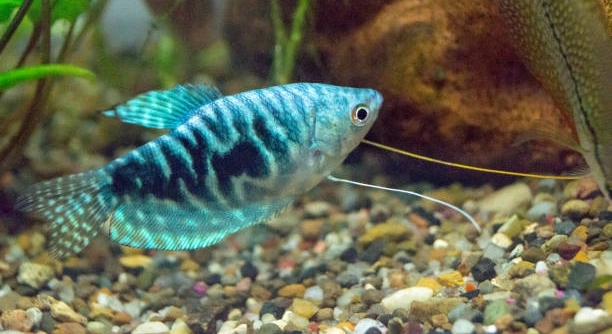
Are your gourami spending more time resting at the bottom of the tank, making you wonder if something might be wrong?
Increased resting in gourami is often linked to water quality issues, low oxygen levels, or changes in temperature. Stress, illness, or aging can also contribute to decreased activity and more time spent staying still.
Learning about the causes and signs can help you better support your fish and keep their environment healthy and safe.
Common Reasons Your Gourami May Be Resting More
Gourami often rest more when something in their environment changes. This might include water temperature drops, high ammonia levels, or poor oxygen flow. These fish are sensitive and rely on steady conditions to stay active. Cold water can slow their metabolism, making them appear sluggish. Poor filtration and a lack of surface agitation reduce oxygen, which may lead them to rest near the top or bottom of the tank. Stress from overcrowding or aggressive tank mates can also make them less active. Sometimes, they rest more simply because they’re getting older and need more downtime. Watching how often they rest and when can tell you a lot about what might be going on. Try to notice if their appetite has changed, if they’re hiding more, or if they have faded colors—these are signs that something might not be right in their tank. Small changes can make a big difference.
Keeping a regular check on your tank’s temperature, ammonia, nitrite, and nitrate levels is helpful.
Sometimes, rest is normal for gourami. They may nap throughout the day, especially after eating or exploring. If they wake up and swim normally, there’s usually nothing to worry about. But patterns matter—frequent or long rests could mean something’s off.
What You Can Do to Help
Start by checking the basics. A quick water test can tell you if something is off with the levels.
If your water parameters look fine, consider the tank’s setup. Gourami need stable, warm water—ideally around 76 to 80°F. If your heater isn’t consistent, they may slow down due to the cold. Make sure your filter isn’t too strong, but also not too weak. A gentle current keeps the water moving and helps oxygen get through the tank. Adding live plants can also improve oxygen and reduce stress. Look at their food too. A poor diet can make them lethargic. Give them a balanced mix of flakes, pellets, and occasional live or frozen treats. Observe the other fish. If you notice chasing or nipping, stress may be the reason your gourami are hiding or resting more. Consider giving them places to hide like caves or plants. These calm spots help them feel secure and recover if they’re stressed. Make changes slowly to avoid shocking their system.
Signs That Point to a Bigger Problem
If your gourami are resting more and showing other signs like clamped fins, loss of appetite, or pale coloring, it may be more serious. These symptoms often show up together when they’re sick or very stressed.
A gourami that lies at the bottom and avoids food for days could be dealing with an internal issue like a bacterial or parasitic infection. Look closely for white spots, bloated bellies, or stringy poop—these are all warning signs. Watch their gills too. Rapid gill movement may mean they’re struggling to breathe, often from low oxygen or gill parasites. If you catch these signs early, treatment has a better chance of working. Try isolating the fish in a hospital tank if possible. Medications designed for common freshwater fish illnesses can help, but always follow the instructions carefully. Clean water and less stress make recovery easier.
Behavioral changes like hiding more than usual or swimming in circles may also indicate something’s wrong. These behaviors aren’t just quirks—they’re often signs of discomfort. If the issue isn’t resolved quickly, it can affect other fish in the tank. Keep track of changes each day. That way, you’ll know if things are improving or getting worse. Watching closely really does help.
When Resting Is Just Normal
Some resting behavior is completely normal, especially in calm and peaceful tanks. Gourami are known to take breaks during the day, especially in the late afternoon or evening when they’re winding down.
They sometimes hover near plants or rest on broad leaves. If your gourami still responds to you, eats well, and swims normally when active, they’re likely just fine. Resting is also more common in older gourami who naturally slow down over time. Each fish has a different rhythm. If resting doesn’t come with other symptoms—like color loss or odd swimming—there’s usually no need to worry. Try watching them during feeding time and see if they perk up. If they do, they’re likely in good shape. Let them rest when they need to, as long as nothing else seems off in the tank.
How Lighting and Tank Setup Affect Resting
Lighting that’s too bright or stays on too long can stress gourami. They prefer a regular day-night cycle and areas of shade.
A tank with few plants or hiding spots may cause them to feel unsafe. Adding cover helps them rest without feeling exposed.
What to Watch for During Feeding
Feeding time is a good way to check your gourami’s energy. A healthy fish will show interest in food, even if it rests more during the day. If it refuses food, spits it out, or hides during feeding, that’s a sign something may be wrong. Watch how it swims too—if it struggles to reach the surface or tilts while swimming, it could mean buoyancy issues or weakness. Also, note if one fish is being bullied and not getting food. That can lead to stress and inactivity. Try feeding in different spots to make sure each fish gets a fair chance.
Importance of Regular Monitoring
Watching your gourami every day helps catch problems early. Small changes in behavior often show up before physical symptoms do.
FAQ
Why is my gourami lying at the bottom of the tank?
A gourami resting at the bottom could simply be relaxing, especially if it’s not showing other strange behavior. However, if it’s staying there for long periods and seems weak or unresponsive, it may be stressed or sick. Common reasons include poor water quality, low oxygen, or temperature drops. It could also be dealing with swim bladder problems, internal infections, or reacting to aggressive tank mates. Always check the water parameters first and observe if there are other symptoms like a swollen belly, color loss, or fast gill movement. These details help narrow down the cause.
Is it normal for gourami to be inactive during the day?
Yes, it can be. Gourami often take breaks throughout the day and may appear still for several minutes. As long as they’re eating, swimming normally at other times, and showing no signs of distress, it’s probably normal behavior. They enjoy quiet spots in the tank and often rest behind plants or near the bottom. Older gourami especially tend to move less. If they are inactive most of the day or look like they’re gasping, it may be a sign of something wrong. Keep an eye on them and test the water to rule out issues.
Do gourami sleep, and what does it look like?
Yes, gourami do sleep. They don’t have eyelids, but they rest by staying still, usually in one calm spot like near the bottom or behind plants. This often happens at night or during periods of low tank activity. Their colors might fade slightly, and they won’t react much to movement. This is normal and usually nothing to worry about. If your tank lights stay on too long, it can mess with their sleep pattern. Try to keep a regular light cycle with about 8–10 hours of light per day to help them rest properly.
Can poor diet cause my gourami to be less active?
Yes, a poor diet can lead to lower energy levels. Gourami need a balanced mix of high-quality flakes or pellets along with occasional treats like brine shrimp or bloodworms. If they eat the same thing every day without enough variety or nutrients, they may become sluggish or lose interest in food. Overfeeding can also cause problems like bloating or swim bladder issues, which affect movement and comfort. Feed small amounts twice a day and remove leftovers. Keeping their diet balanced helps support their energy, color, and overall health.
How do I know if my gourami is sick or just tired?
Tired gourami will rest but still eat and swim when active. Sick gourami often show other signs like clamped fins, loss of color, floating oddly, rapid breathing, or refusal to eat. Watch for patterns—if the fish acts the same way for days and doesn’t improve, it may be illness, not just fatigue. Pay attention to how it behaves during feeding, how it interacts with tank mates, and whether it shows physical symptoms like swelling or strange marks. Sick fish often separate themselves or hide more than usual. If unsure, isolate the fish and observe more closely.
Could stress from other fish make my gourami rest more?
Absolutely. Aggressive or fast-moving tank mates can stress out gourami and cause them to become withdrawn. If your gourami is hiding, resting more, or showing signs of nipped fins, it may not feel safe. Stress can weaken their immune system and lead to health problems. To help, ensure your tank isn’t overcrowded, and give your gourami places to hide. Some fish like barbs or cichlids might be too rough for gourami to live with comfortably. Watch interactions closely and consider rehoming aggressive fish if needed. A peaceful environment makes a big difference.
How long should I wait before being concerned about my gourami resting more?
If your gourami is resting more than usual but still eats, swims, and looks healthy, wait a day or two and watch for any changes. Sometimes they just need a rest. But if you see signs like not eating, labored breathing, or changes in appearance, act sooner. Start by checking water conditions and making sure they’re within the right range. If you catch problems early, it’s much easier to fix them. Don’t wait too long if symptoms get worse—acting quickly can prevent further stress or illness. Keep a close eye and trust your gut if something seems off.
Final Thoughts
Taking care of gourami means watching them closely and learning what is normal for them. If your gourami start resting more than usual, it doesn’t always mean something is wrong. Sometimes, they’re just relaxing, especially if they’ve been active earlier or are getting older. They may enjoy quiet moments behind plants or near the tank bottom. It’s helpful to know their regular patterns so you can spot real changes when they happen. A fish that rests but still eats, swims calmly, and reacts to movement is likely just taking a break. But if that resting becomes constant and comes with other signs like no appetite, pale colors, or strange swimming, it’s worth checking things more closely.
Water quality plays a big role in how your gourami feels each day. Even small shifts in temperature, pH, or oxygen can affect their behavior. That’s why it’s important to test your tank water regularly and make sure the heater and filter are working properly. Good tank setup makes a big difference too. A few live plants, calm lighting, and space to explore help your gourami feel safe and stay active. If the tank feels too bright or too crowded, your fish might start hiding or slowing down. Try to notice how they act after feeding or during quiet hours. Those moments can show you a lot about their comfort level and health.
It’s okay to worry when your gourami start acting differently, but small changes often have simple fixes. Giving your fish a clean, steady home goes a long way in keeping them healthy. Resting more might just be part of their routine, especially if they still seem alert and happy otherwise. But if something doesn’t feel right, trust your instincts. Take time to observe, check your water, and make small adjustments if needed. Your attention and care can make a big difference. Learning their habits, responding to changes early, and creating a calm environment all help your gourami thrive. Every fish is a little different, and with patience, you’ll learn what works best for them.

Hello,
If you enjoy the content that we create, please consider saying a "Thank You!" by leaving a tip.
Every little bit helps us continue crafting quality advice that supports the health, happiness, and well-being of pets around the world, for pets of all shapes, sizes, and species.
We really appreciate the kindness and support that you show us!