
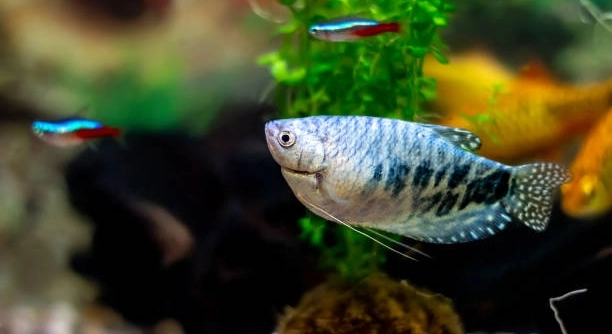
Gouramis are known for their unique bubble nest building during breeding. These nests serve as important sites for their eggs and young. Observing their behavior around these nests reveals interesting patterns about their loyalty to these locations.
Gouramis generally exhibit strong site fidelity to their bubble nests during the breeding period. They tend to remain close and defend the nest area to protect their eggs and fry. This loyalty is influenced by environmental factors and breeding success.
Understanding gouramis’ relationship with their bubble nests helps explain their breeding behavior and habitat preferences. This knowledge supports better care practices for these fish in captivity and the wild.
Bubble Nest Construction and Its Importance
Gouramis build bubble nests by blowing bubbles coated with saliva that stick together on the water’s surface. These nests act as protective sites for their eggs and young fry. The male gourami is mainly responsible for building and maintaining the nest. The size and quality of the nest can vary depending on water conditions and the health of the fish. A strong bubble nest helps increase the chances of survival for the offspring by providing a safe environment free from predators and debris. The nest also supplies oxygen to the developing eggs, which is crucial for their growth. Males tend to guard the nest area aggressively, chasing away intruders to keep the nest intact. This behavior shows how important the nest site is during breeding, reinforcing the bond between the gourami and its nest location.
The quality of the bubble nest directly affects reproductive success and offspring survival.
Many factors influence nest building, including water temperature, cleanliness, and available space. Optimal conditions encourage gouramis to invest more effort in constructing and guarding their nests. Poor conditions can lead to incomplete or fragile nests, reducing breeding success. In aquariums, it is helpful to maintain stable water parameters and provide floating plants, which support bubble nest attachment. Observing the nest can give insight into the fish’s health and breeding status. If a male repeatedly rebuilds or abandons the nest, it may indicate stress or unfavorable conditions. Supporting gouramis with a suitable environment ensures their natural breeding behavior remains consistent and effective.
Site Loyalty Beyond Nesting
Male gouramis display strong loyalty to their nest site throughout the breeding period. This loyalty is mainly driven by the need to protect eggs and fry from threats.
Once eggs are laid, the male remains close to the nest, tending to the young until they become free-swimming. During this time, the fish’s attention is focused on the nest location, with little interest in moving elsewhere. This behavior reduces the risk of losing offspring to predators or environmental hazards. If disturbed or if the nest is damaged, the male may rebuild or relocate the nest, but only within a limited area. Site loyalty also helps maintain territory boundaries among competing males, reducing conflicts and supporting successful reproduction. Understanding this territorial behavior can assist in setting up aquarium environments that mimic natural conditions, minimizing stress and improving breeding outcomes.
Factors Affecting Nest Site Loyalty
Environmental stability plays a crucial role in maintaining gouramis’ nest site loyalty. Changes in water quality, temperature, or tank setup can disrupt their attachment to the nest.
Gouramis prefer calm, stable water conditions to maintain their nests. Sudden fluctuations in temperature or poor water quality stress the fish, causing them to abandon or rebuild nests frequently. Availability of suitable floating plants or surfaces for bubble nests also influences their loyalty. Without proper anchoring points, nests become unstable, and males may relocate. Social stress from tank mates or overcrowding can interfere with nesting behavior, leading to decreased site fidelity. Maintaining consistent, comfortable conditions supports gouramis in staying loyal to their nest sites.
Physical damage or disturbance near the nest site can cause males to move or abandon their nests. Even minor vibrations or excessive tank cleaning may trigger this behavior. Minimizing disturbances helps maintain nest stability and male commitment.
Observing Nest Site Behavior in Captivity
Males show clear signs of guarding and defending their bubble nests in tanks. This behavior helps identify when breeding is occurring.
In captivity, observing nest site loyalty provides insight into the health and breeding readiness of gouramis. Males become territorial around the nest, chasing away other fish and staying near the nest surface. This dedication usually lasts until fry become free-swimming, which can take several days. If the male frequently abandons the nest or shows restless swimming, it might indicate stress or unsuitable conditions. Adjusting tank parameters and minimizing disturbances can improve nesting success. These behaviors are important to recognize for anyone caring for gouramis in home aquariums, ensuring both fish welfare and breeding success.
Nest Site Abandonment Causes
Stress is a common reason gouramis abandon their bubble nests. Poor water conditions and frequent disturbances can lead to this behavior.
Another cause is aggressive tank mates. If other fish threaten the nest area, the male may leave to avoid injury or conflict.
Impact of Nest Abandonment on Offspring Survival
When a male gourami abandons its nest, eggs and fry become vulnerable to predators and infection. Without protection and oxygen supply from the nest, survival rates drop significantly. This abandonment can result from environmental stress or threats in the tank. Maintaining stable conditions helps reduce the risk of nest abandonment and improves offspring survival.
How to Support Nest Loyalty
Provide stable water conditions and minimize disturbances near the nest site. These steps encourage male gouramis to stay loyal and protect their bubble nests.
What is a bubble nest, and why do gouramis build it?
A bubble nest is a cluster of air bubbles created by male gouramis at the water’s surface. The male blows bubbles coated with saliva, which stick together to form a floating structure. This nest serves as a safe place for eggs and young fry, protecting them from predators and providing oxygen. The male guards the nest carefully, ensuring the eggs develop in a secure environment.
How long do gouramis stay loyal to their bubble nest?
Male gouramis typically stay loyal to the bubble nest throughout the breeding period, from the time the eggs are laid until the fry become free-swimming. This period usually lasts several days, during which the male remains close to the nest, tending to the eggs and guarding against threats. After the fry are strong enough to swim independently, the male’s attention to the nest usually decreases.
Can gouramis abandon their nests? If so, why?
Yes, gouramis can abandon their nests. This usually happens if the male experiences stress due to poor water quality, disturbances, or aggression from other fish. Environmental instability, such as sudden temperature changes or improper tank conditions, also causes males to leave the nest. Frequent disturbances during tank cleaning or rearranging can disrupt their focus and lead to abandonment.
How can I tell if my gourami is loyal to its nest?
Signs of nest loyalty include the male staying near the nest, actively blowing bubbles, and chasing away other fish that approach the nest area. The male often appears territorial and protective. If the male is calm and remains close to the nest surface for several days, it shows strong site fidelity. Restlessness or abandoning the nest suggests stress or unsuitable conditions.
What can I do to encourage nest site loyalty in my gouramis?
Maintaining stable water parameters is crucial. Keep the temperature consistent, ensure good water quality, and avoid sudden changes. Providing floating plants or other surfaces for the bubble nest to anchor supports nest stability. Minimize disturbances around the tank, especially near the nest. Avoid overcrowding and aggressive tank mates to reduce stress on the male. These steps help the male focus on nest building and guarding.
Does the presence of other fish affect nest loyalty?
Yes, aggressive or territorial tank mates can disturb the male gourami and reduce his nest loyalty. Constant harassment or competition for space near the nest may cause the male to abandon or relocate the nest. Choosing peaceful companions and providing enough space in the tank can minimize conflicts and support nesting behavior.
How important is water temperature for nest building and loyalty?
Water temperature plays a significant role. Gouramis prefer warm, stable temperatures around 78–82°F (25–28°C) for breeding. Sudden drops or spikes in temperature can stress the fish and interrupt nesting behavior. Maintaining a consistent, suitable temperature encourages successful bubble nest building and increases the male’s loyalty to the nest site.
Can male gouramis rebuild nests if the original one is damaged?
Yes, males often rebuild nests if the original bubble nest is damaged or destroyed. They are motivated to protect their offspring, so if the nest breaks apart, the male will try to reconstruct it nearby. However, repeated damage or disturbances can reduce his willingness to invest energy in rebuilding, leading to abandonment.
Is site loyalty the same in all gourami species?
Most gourami species that build bubble nests show similar site loyalty during breeding, but the intensity and duration may vary. Some species guard nests more aggressively, while others are less territorial. Understanding the specific behavior of your gourami species helps tailor care and tank conditions for successful breeding.
What happens to the nest after the fry become free-swimming?
Once the fry are free-swimming, the male’s care of the nest usually ends. The bubble nest often dissolves naturally as bubbles break apart over time. At this point, the fry begin exploring independently, and the male may lose interest in the nest site, focusing more on his own activities or preparing for another breeding cycle.
Final thoughts on gouramis and their bubble nest loyalty highlight the importance of stable conditions in supporting their natural behaviors. Male gouramis build and guard bubble nests as part of their breeding process. This loyalty is influenced strongly by the environment they live in. When water quality remains consistent and the tank setup is calm, males tend to stay attached to their nests until the fry are ready to swim freely. Disturbances, poor water conditions, or aggressive tank mates can cause males to abandon the nest. Understanding these factors helps maintain a healthy and productive aquarium environment for gouramis.
Providing an environment that mimics natural conditions is essential for encouraging nest site loyalty. Stable water temperature, clean water, and gentle tank maintenance routines reduce stress on the fish. In addition, offering floating plants or other surfaces for nests to anchor increases nest stability and supports male gouramis in their parenting role. Recognizing signs of nest guarding and site fidelity can guide aquarists in adjusting tank conditions for better breeding success. By paying close attention to these details, it becomes possible to support gouramis’ natural instincts and ensure the well-being of both adults and their offspring.
In summary, gouramis show loyalty to bubble nest sites primarily when their environment is stable and free from stress. The male’s commitment to the nest is vital for the survival of eggs and fry. Aquarists who maintain calm tanks with appropriate conditions create the best chance for gouramis to build, guard, and maintain bubble nests effectively. This approach not only benefits the fish during breeding but also promotes overall health and longevity in captivity. Proper care and observation are key to understanding and supporting these fascinating behaviors.

Hello,
If you enjoy the content that we create, please consider saying a "Thank You!" by leaving a tip.
Every little bit helps us continue crafting quality advice that supports the health, happiness, and well-being of pets around the world, for pets of all shapes, sizes, and species.
We really appreciate the kindness and support that you show us!