
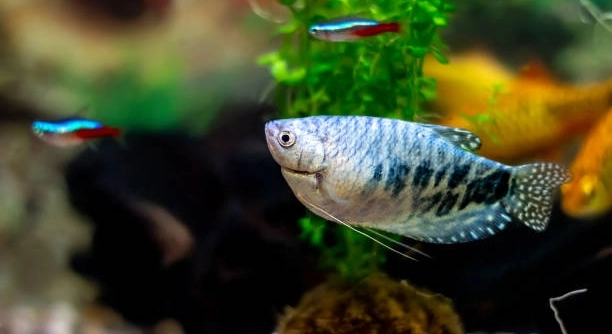
Gourami are popular aquarium fish known for their curious and calm nature. They often move around their environment, showing interest in different areas. Observing their behavior can reveal how they interact with their surroundings.
Gourami explore their territory by swimming slowly, inspecting objects, displaying flared fins, and marking areas with scent. These behaviors indicate their natural instinct to understand and claim their space within the aquarium.
Knowing these signs can help you better understand your fish’s needs and create a more comfortable home for them to thrive in.
Slow and Careful Swimming
Gourami often explore by moving slowly through their tank. They take time to swim near plants, rocks, and decorations, checking out their environment. This cautious movement helps them feel safe as they gather information. When your gourami pauses frequently or circles around objects, it means they are familiarizing themselves with the area. These slow swims are different from fast or sudden movements, which usually signal stress or fear. Watching your fish move this way shows they are relaxed but alert, taking in their surroundings without rushing. This behavior is a natural part of how gourami get comfortable and confident in their space, especially in a new tank or after changes in their environment.
This slow swimming is a positive sign your gourami are exploring but not feeling threatened.
Noticing this calm behavior can help you understand when your gourami feel at ease and are comfortable with their habitat. It also means they are actively learning where food, hiding spots, and other fish are located.
Flaring Fins as a Signal
When gourami flare their fins, it usually means they are marking territory or showing dominance. This action makes them look bigger and can warn other fish to stay away. Flaring is a natural way for gourami to communicate boundaries without fighting. You might see them spread their fins wide while hovering near a specific spot or facing another fish. This behavior helps maintain balance in the tank by keeping each fish’s space clear. Flaring can happen more often during feeding or when new fish are introduced. Watching for fin flares can tell you if your gourami are comfortable asserting themselves or if they feel challenged by others nearby. This simple gesture plays a big role in how gourami explore and control their area.
Inspecting and Nudging Objects
Gourami often investigate objects in their tank by gently nudging or brushing against them. This behavior shows curiosity and helps them understand their environment better. They may push aside plants or decorations to check hiding spots or possible food sources.
This nudging helps gourami gather information about their surroundings. They use their mouths or bodies to move objects slightly, testing if the area is safe or useful. It’s a slow, deliberate action that shows they are exploring and not just swimming by. If you see your gourami pushing a plant leaf or stone, they might be checking for shelter or hunting for small creatures hiding there.
Nudging also allows gourami to mark their territory subtly by leaving their scent on objects. This helps other fish recognize boundaries and reduces conflicts in the tank. Watching these gentle interactions can be a rewarding sign that your fish feel secure and are making the space their own.
Scent Marking and Territory Claiming
Gourami use scent to mark their territory by releasing chemicals from their bodies. This scent helps them communicate ownership of a space to other fish. You might not see this directly, but it plays an important role in their behavior and tank dynamics.
Scent marking reduces the chances of fights by signaling which areas belong to each fish. When gourami swim around and rub against surfaces, they are spreading their scent to claim that spot. This behavior becomes more noticeable when new fish are added or the tank layout changes. It’s a natural way gourami protect their space without needing to act aggressively.
Understanding scent marking helps you create a tank environment where each fish has enough room to feel safe. Providing plenty of hiding spots and plants gives gourami places to claim without stressing one another. This peaceful balance is key for a happy aquarium community.
Hovering Near Boundaries
Gourami often hover close to the edges of their territory. This behavior shows they are aware of their space limits and are keeping an eye on what’s around them. It helps them feel secure in their environment.
Hovering also allows gourami to quickly react if another fish approaches their claimed area.
Watching Other Fish
Gourami observe other fish closely while exploring. They watch movements and behaviors to understand if there is a threat or a chance to share space peacefully. This careful observation helps them avoid conflicts and maintain harmony in the tank.
Returning to Favorite Spots
Gourami often return to certain spots they like. These areas might be places they feel safe, find food, or rest. Revisiting these favorite spots is a sign that the fish is comfortable with its surroundings.
FAQ
How can I tell if my gourami is exploring or stressed?
Exploring gourami move slowly and show curiosity, like inspecting objects and hovering calmly. Stressed gourami, on the other hand, swim quickly, hide constantly, or show signs of frantic behavior. Watching the speed and intent of their movements can help you tell the difference. Calm, slow movements usually mean exploration, while erratic or hiding behavior may indicate stress.
Why do gourami flare their fins sometimes?
Flaring fins is a way gourami show dominance or mark territory. It’s a natural behavior used to communicate with other fish and prevent fights. When your gourami flares, it’s asserting itself, making sure others know its space. This helps maintain peace in the tank by setting clear boundaries.
Is it normal for gourami to nudge plants or decorations?
Yes, gourami often nudge objects gently to explore their environment. This helps them understand what’s safe or useful. It can also be a way to mark territory by spreading their scent. This behavior is part of how they feel comfortable and secure in their tank.
How does scent marking work in gourami?
Gourami release chemicals from their bodies to mark territory. These scents tell other fish which areas are claimed, reducing conflicts. You won’t see the scent itself, but rubbing against objects or swimming repeatedly in a spot helps spread it. This is a peaceful way for gourami to protect their space.
Can gourami share territory peacefully?
Yes, gourami can share space if the tank is large enough and has plenty of hiding spots. Scent marking and fin flaring help them establish boundaries without fighting. Providing enough plants and decorations makes it easier for each fish to claim its own area.
What should I do if my gourami seems aggressive?
If aggression becomes frequent, try adding more hiding places or rearranging decorations to break lines of sight. Sometimes, reducing stress by improving water quality or feeding routines helps. If aggression continues, consider separating the fish to keep everyone safe and calm.
Do gourami explore more in a new tank?
Yes, gourami tend to explore actively in a new tank to learn their surroundings. This includes slow swimming, fin flaring, and inspecting objects. Over time, as they get comfortable, these behaviors may become less frequent, showing they feel at home.
How often do gourami return to the same spots?
Gourami often revisit favorite spots daily. These areas provide comfort, shelter, or food. Returning to these places shows the fish feels safe and secure in its environment. Observing these habits can help you understand what parts of the tank your gourami prefers.
Can I encourage my gourami to explore more?
Yes, creating a varied environment with plants, rocks, and decorations encourages exploration. Changing tank layout occasionally or adding new objects keeps things interesting. A healthy diet and good water quality also support natural behavior.
Is it important to watch gourami behavior regularly?
Monitoring gourami behavior helps you catch signs of stress, illness, or discomfort early. Noticing changes in how they explore or interact with others can guide you in making adjustments to their care. Regular observation keeps your gourami happy and healthy.
Gourami are interesting fish to watch because their behavior often tells us a lot about how they feel in their tank. When they explore their territory, they are showing natural instincts that help them feel safe and comfortable. Understanding these signs can make a big difference in caring for them properly. Watching how they swim slowly, flare their fins, or nudge objects gives clues about their mood and environment. This kind of attention helps you create a better space for your gourami, where they can be healthy and content.
Exploration is important for gourami because it lets them get to know their surroundings and claim their own space. They use different behaviors to communicate with other fish and avoid conflicts. For example, flaring fins and scent marking are ways they say, “This is my area.” When you see these actions, it means your gourami are feeling confident enough to set boundaries. It’s helpful to provide plenty of plants and hiding spots so each fish can have its own territory without feeling stressed or crowded. A well-arranged tank supports peaceful relationships among your fish.
Taking time to observe your gourami regularly helps you notice changes in their behavior. If they start swimming fast or hiding too much, it could be a sign of stress or illness. But if they are exploring calmly and showing natural signs of territory marking, it means they are doing well. Keeping the tank clean, feeding them properly, and giving them enough space are key factors in their happiness. By paying attention to these little details, you can ensure your gourami live a healthy and comfortable life in their aquatic home.

Hello,
If you enjoy the content that we create, please consider saying a "Thank You!" by leaving a tip.
Every little bit helps us continue crafting quality advice that supports the health, happiness, and well-being of pets around the world, for pets of all shapes, sizes, and species.
We really appreciate the kindness and support that you show us!