
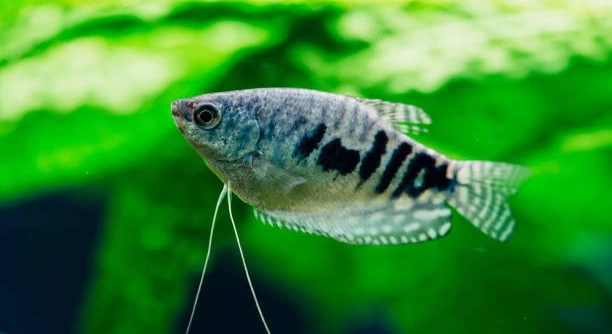
Gouramis are popular freshwater fish that thrive best with the right substrate in their tanks. Choosing the correct substrate can improve their health and behavior. Many aquarists find substrate selection essential for creating a comfortable environment.
Selecting an appropriate substrate for gouramis involves understanding their natural habitat and behavior. Soft, fine-grained substrates like sand or smooth gravel support their bottom-dwelling tendencies and reduce stress. Substrate choice impacts water quality, biological filtration, and overall tank stability.
Knowing which substrates gouramis respond well to helps create a balanced aquarium. This guide will explore seven substrate options suited to their needs and preferences.
Fine Sand Substrate
Fine sand is one of the most popular substrate choices for gourami tanks. It closely mimics the natural environment of many gourami species, providing a soft and comfortable base for them. Sand allows gouramis to dig gently without damaging their delicate fins. It also supports the growth of beneficial bacteria that help maintain water quality by breaking down waste products. Unlike coarse gravel, sand does not trap as much debris, making it easier to clean with regular siphoning. Sand also creates a smooth surface, reducing the risk of injury when gouramis explore or rest near the bottom of the tank. However, it’s important to ensure the sand is aquarium-safe and free of harmful chemicals. Using too fine sand can lead to compacting, which may reduce oxygen flow in the substrate, so stirring it occasionally is recommended.
Fine sand also benefits live plants, anchoring their roots firmly while allowing nutrients to reach them.
Sand provides a natural, low-maintenance base that supports both gouramis and plants effectively, making it a solid substrate option for many setups.
Smooth Gravel
Smooth gravel is another effective substrate option for gouramis. Its larger particle size allows better water flow through the substrate.
Gravel offers good drainage, preventing the substrate from becoming overly compacted, which benefits plant roots and beneficial bacteria colonies. Smooth edges help avoid fin damage, a concern with rough gravel. However, gouramis tend to prefer softer substrates, so gravel should be carefully selected to avoid sharp or rough pieces. Gravel is often easier to clean than sand, as it does not cloud the water during cleaning. Additionally, gravel provides a solid foundation for plant roots and decorations, enhancing the tank’s overall structure. When combined with regular tank maintenance, smooth gravel helps maintain a healthy environment that gouramis can thrive in.
Choosing smooth gravel balances functionality and safety, offering a stable environment that supports gouramis’ well-being.
Pea Gravel
Pea gravel is a common choice for gourami tanks because of its smooth texture and moderate size. It offers good drainage and supports beneficial bacteria growth, which helps maintain water quality.
Its small, rounded stones reduce the risk of injury to gouramis, which is important since these fish can be sensitive to sharp surfaces. Pea gravel is easier to clean compared to sand, as it doesn’t compact as much, allowing debris to be siphoned out more efficiently. However, it can trap waste underneath, so regular maintenance is necessary. This substrate is also good for tanks with live plants, as the gravel provides enough anchorage while allowing root oxygenation.
While pea gravel is versatile and effective, it’s essential to avoid overly large or rough pieces. Selecting smooth, uniform gravel creates a safer environment for gouramis and helps keep the tank clean and healthy.
Aquatic Soil
Aquatic soil is ideal for planted gourami tanks. It provides essential nutrients to plants while supporting a balanced ecosystem within the aquarium.
This substrate improves plant growth by delivering minerals directly to roots, which encourages healthy, lush vegetation that gouramis appreciate for hiding and exploring. Unlike inert substrates, aquatic soil actively promotes biological filtration by hosting beneficial bacteria. Its porous nature helps retain moisture and nutrients but can sometimes cause initial cloudiness when first added to the tank, so rinsing before use is recommended. Aquatic soil also balances pH levels and softens water, creating conditions similar to gouramis’ natural habitats.
Choosing aquatic soil can enhance both plant health and gourami behavior, offering a more natural and vibrant aquarium environment that benefits the entire ecosystem.
Crushed Coral
Crushed coral is often used to raise pH and hardness levels in freshwater tanks. This can benefit gouramis that prefer slightly alkaline water.
It provides a rough texture, which may not be ideal for all gourami species, especially those with delicate fins.
Marbles
Marbles are sometimes used as a decorative substrate but offer little biological benefit. They are smooth and easy to clean but do not support plant growth or beneficial bacteria.
Bare Bottom Tanks
Bare bottom tanks make cleaning simple and reduce waste buildup. This setup allows easy monitoring of water quality and health but lacks natural substrate benefits. Gouramis may feel less secure without a soft substrate to interact with.
FAQ
What is the best substrate for gouramis?
The best substrate for gouramis is one that mimics their natural environment and supports their behavior. Fine sand and smooth gravel are often preferred because they are gentle on gouramis’ fins and allow for natural digging or resting. Aquatic soil is excellent for planted tanks, providing nutrients and promoting a healthy ecosystem.
Can gouramis live without substrate?
Yes, gouramis can live in bare bottom tanks. This setup makes cleaning easier and helps monitor water quality. However, it lacks the comfort and natural feel of a substrate, which can affect gouramis’ behavior and stress levels. Soft substrates usually improve their well-being.
How often should substrate be cleaned in a gourami tank?
Substrate cleaning frequency depends on the type used and tank conditions. Generally, a light cleaning every two to four weeks is recommended. Sand and gravel benefit from gentle siphoning to remove waste without disturbing beneficial bacteria. Over-cleaning can harm tank balance.
Is sand better than gravel for gouramis?
Sand is often better for gouramis because it is softer and less likely to injure their delicate fins. It also mimics many gouramis’ natural habitats more closely. Gravel is easier to clean but should be smooth and fine to avoid harm.
Can substrates affect water quality for gouramis?
Yes, substrates directly influence water quality. Aquatic soils can improve nutrient availability for plants, while crushed coral raises pH and hardness. Sand and gravel mainly provide surfaces for beneficial bacteria that break down waste. Choosing the right substrate helps maintain a stable and healthy tank environment.
What substrates support live plants with gouramis?
Aquatic soil is the top choice for planted gourami tanks due to its nutrient content. Fine sand and smooth gravel can also support plants but may require added fertilizers. Healthy plant roots improve water quality and offer shelter for gouramis.
Are there any substrates to avoid for gouramis?
Avoid rough or sharp substrates that can damage gouramis’ fins. Large, jagged gravel or stones increase injury risk. Substrates that alter water chemistry drastically without the right tank conditions should be used cautiously, such as crushed coral in soft-water tanks.
Can substrate choice affect gourami behavior?
Yes, substrate impacts behavior by providing comfort and areas to explore. Soft substrates encourage natural digging and resting, reducing stress. Hard or rough substrates may make gouramis more cautious or cause injuries, affecting their activity and health.
How do you choose substrate based on gourami species?
Researching the natural habitat of your gourami species helps guide substrate choice. Some gouramis come from sandy riverbeds, favoring fine sand, while others live among gravel or plant roots. Matching the substrate to their origin promotes natural behavior and health.
What maintenance tips help keep substrate healthy in a gourami tank?
Regular gentle cleaning with a siphon removes debris without disturbing beneficial bacteria. Avoid overfeeding to reduce waste accumulation. Stirring sand occasionally prevents compaction. Testing water parameters helps ensure substrate isn’t negatively affecting tank conditions. Proper maintenance supports gourami health and tank balance.
Final Thoughts
Choosing the right substrate for gouramis is an important step in creating a healthy and comfortable aquarium environment. Different substrates offer different benefits, from supporting plant growth to maintaining water quality. Fine sand and smooth gravel are often good choices because they are gentle on gouramis’ fins and allow natural behaviors like digging and resting. Aquatic soil works well when plants are part of the tank setup, providing essential nutrients and improving overall tank balance. On the other hand, options like crushed coral or marbles may be less suitable for gouramis because of their texture or lack of biological benefits. It’s important to select a substrate that fits the needs of both the fish and any plants in the tank.
Regular maintenance of the substrate also plays a key role in the health of your gouramis. Over time, waste and uneaten food can accumulate in the substrate, which may harm water quality if not properly managed. Gentle cleaning every few weeks helps keep the tank clean without disturbing beneficial bacteria that live in the substrate. For substrates like sand, occasional stirring can prevent compaction and improve oxygen flow. Avoid over-cleaning, as this can disrupt the natural balance of the aquarium. Keeping the substrate clean supports a stable environment where gouramis can thrive and reduces the chance of common tank issues.
Finally, understanding your specific gourami species and their natural habitat can guide substrate choices. Some gouramis come from sandy environments, while others may prefer more gravel or planted setups. Matching the substrate to their natural conditions helps promote their well-being and encourages natural behavior. Considering all these factors when selecting and caring for substrate ensures a healthier tank that benefits both the fish and plants. With the right substrate and proper care, your gouramis will have a comfortable and supportive home to live in.

Hello,
If you enjoy the content that we create, please consider saying a "Thank You!" by leaving a tip.
Every little bit helps us continue crafting quality advice that supports the health, happiness, and well-being of pets around the world, for pets of all shapes, sizes, and species.
We really appreciate the kindness and support that you show us!