
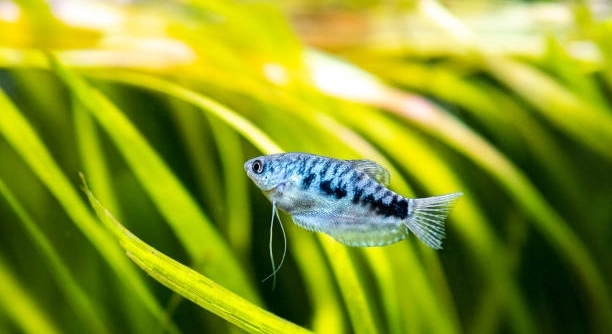
Do your gourami swim right past their floating food, leaving you unsure about what went wrong in their feeding routine?
Gourami often ignore floating food due to poor water surface conditions, stress, or a preference for sinking food. Factors such as water flow, lighting, or even past feeding experiences can also influence their eating behavior.
There’s more to feeding gourami than just dropping pellets in the tank. Learning the reasons behind their behavior can make all the difference.
Understanding Gourami Feeding Behavior
Gourami are surface feeders by nature, but they can be picky about how and what they eat. If they’re skipping floating food, there might be a few simple reasons behind it. Stress is a common factor—whether from tank mates, sudden changes in water conditions, or even frequent disturbances around the aquarium. Another cause is the type of floating food offered. Some gourami may dislike pellets that are too large, too hard, or lack enough scent to attract them. In some cases, water surface movement or strong filtration can make it difficult for them to reach the food calmly. It’s also possible they’ve developed a habit of waiting for food to sink. Gourami can learn feeding patterns over time, and if they’ve previously been given sinking pellets, they may expect that instead. Being observant and adjusting feeding habits slightly can often resolve this issue.
Not all floating foods are equally appealing to gourami. Some lack the right texture or flavor.
If you’ve been offering floating pellets and notice they remain untouched, try switching brands or types. Soft, moist floating food is more likely to interest them. Also, try reducing surface agitation, especially during feeding times. A calm surface gives them better access and helps them feel secure while eating.
How Environment Affects Eating Habits
Stress and unfamiliar settings can lead gourami to avoid food entirely. Tank size, lighting, and the presence of other fish all play a role in how comfortable they feel.
A crowded tank can easily overwhelm gourami, especially if they share space with fast or aggressive eaters. When food hits the water, dominant fish may grab everything quickly, leaving the gourami anxious or unwilling to compete. This can create a pattern of avoiding feeding altogether. Ensuring peaceful tankmates and offering food in multiple spots can help. Water temperature also matters—if it’s too low or fluctuating, it affects their metabolism and appetite. Bright lights or reflections at the surface can distract or startle them. Try dimming the lights slightly during feeding. Lastly, keep their routine consistent. Feed them at the same time each day, and limit external distractions. With a stable environment, most gourami will gradually return to normal eating patterns, including accepting floating food again.
Choosing the Right Food Texture
Some gourami ignore floating food simply because it feels unnatural to them. Dry, hard pellets may not be appealing, especially if they’ve been fed soft or live food before.
Look for floating food with a softer texture. Soaking dry pellets in tank water for a few minutes can help make them more palatable. Freeze-dried options like bloodworms or brine shrimp can also work well, offering both texture and scent that appeal to their instincts. If you’re switching food types, introduce new items gradually alongside their current diet. That way, they become familiar with the new texture without losing interest in eating altogether. Floating flakes are another gentle option, especially for younger or more timid gourami. Pay attention to how quickly the food spreads or sinks, as too much motion can discourage them from eating at the surface, especially in tanks with high water flow.
Some gourami are more sensitive to food changes than others. If they were raised on specific diets, a new texture can throw them off temporarily. It helps to keep feeding times quiet and distraction-free so they feel comfortable exploring new foods. Over time, many gourami adjust, but it requires patience and consistency from you. Avoid overfeeding during the transition. Too much uneaten food can cloud the water and add stress. Start with small amounts and monitor how much they eat within a couple of minutes. If a certain texture works better, keep using it until they fully adjust. Once they begin to associate the new food with a safe, calm environment, they usually stop ignoring it.
Recognizing Stress Signals
If your gourami are not eating, take a close look at their behavior. Hiding more often, staying still near the surface, or sudden darting can all be signs of stress.
Gourami are sensitive to changes, and small shifts in tank conditions can affect their appetite. Stress from aggressive tank mates, water parameters, or even loud noises near the aquarium can discourage feeding. Watch their posture during feeding—if they hesitate, freeze, or swim away, they likely feel unsafe. In this case, floating food isn’t the problem—it’s the environment. Try adjusting tank lighting, spacing out feedings, or feeding in a quieter room. If the tank has recently changed—like new décor or fish—give them time to settle. Testing the water regularly helps too. Keep ammonia, nitrite, and nitrate levels stable. A calm tank environment makes it easier for your gourami to focus on eating, especially at the surface where they may feel most exposed.
Feeding Techniques That Help
Try feeding your gourami in a quieter part of the tank where surface movement is minimal. This helps them stay calm and focused during mealtime. Spread the food out gently to avoid overcrowding and give them enough space to eat comfortably.
Use a feeding ring to keep floating food in one place. It prevents food from drifting around and helps gourami associate a specific spot with feeding time. This simple tool can also reduce stress caused by food competition or confusion during feeding.
When to Try Sinking Food Instead
If floating food continues to go untouched, it may be time to try sinking alternatives. Some gourami prefer food that drifts downward, especially if they’ve been exposed to that style early on. Sinking pellets or slowly sinking flakes can be a good substitute. Choose ones made for tropical fish with balanced nutrients. Observe how they respond to the new food and adjust as needed. You can also rotate between floating and sinking options during the week. This variety helps meet their needs while keeping them engaged at feeding time. Monitor water quality and clean any uneaten food promptly to avoid buildup.
Watching for Long-Term Changes
If feeding issues continue for several days, something deeper might be affecting your gourami. Changes in appetite can signal illness or discomfort that may need attention.
FAQ
Why does my gourami eat food from the bottom but not the surface?
Some gourami are naturally shy or were raised on sinking food. They may not recognize floating food as something edible. The surface also feels more exposed, so timid gourami might wait until food sinks to feel safe enough to eat. Over time, with gentle training and a calm environment, many start accepting floating food once they associate it with feeding time.
How long should I wait before changing their food type?
Give your gourami at least a week to adjust to new food. Offer small amounts during regular feeding times and observe their interest. If there’s no improvement, try soaking the pellets or switching to a different texture. Don’t change food types too frequently, as it can make adjustment harder and confuse them.
Can tank mates affect their feeding behavior?
Yes, fast or aggressive tank mates can cause stress, making gourami hesitant to approach the surface. They might feel rushed or threatened and choose not to compete for food. Consider feeding the tank in two spots or adding floating plants to create calmer zones. Rearranging decorations can also help by giving them more cover.
Do water conditions influence eating habits?
Poor water quality can reduce appetite. Test ammonia, nitrite, and nitrate levels weekly. High ammonia or unstable pH can cause discomfort or illness. Keep the tank clean, perform regular water changes, and ensure the temperature stays between 76°F and 80°F. Clean filters and stable conditions support healthier feeding responses.
Should I feed gourami floating or sinking food?
Most gourami can be trained to eat floating food, but some prefer food that slowly sinks. It depends on their habits and comfort. A mixed approach often works best—alternate between floating flakes, pellets, and slowly sinking options to see which they respond to more consistently.
Why does my gourami spit food out?
Spitting out food doesn’t always mean rejection. Sometimes it’s their way of softening hard pellets before swallowing. If they consistently spit and ignore the food, the texture might be wrong or the piece too large. Try soaking pellets or switching to smaller, softer bites.
How often should I feed them?
Feed adult gourami once or twice a day in small portions. They should be able to finish the food in two to three minutes. Overfeeding causes waste buildup and can lead to water quality issues. A consistent feeding routine helps reduce stress and supports better eating habits.
Are live foods better than floating pellets?
Live foods like brine shrimp or daphnia can encourage feeding, especially for picky gourami. They trigger natural instincts and offer movement that grabs attention. However, live food should be balanced with high-quality pellets or flakes to ensure they get complete nutrition. Use live food occasionally, not as a primary diet.
How do I encourage a shy gourami to eat?
Keep the environment quiet during feeding. Turn off filters briefly to reduce surface movement and use a feeding ring for focus. Feed at the same time each day. You can also start with familiar food and slowly introduce new items in small amounts alongside it.
What if my gourami stops eating completely?
If they’ve stopped eating for more than a few days, monitor their behavior closely. Look for signs like rapid gill movement, fin clamping, or isolation. Check water parameters first. If everything looks normal but the issue continues, they may need to be seen by a vet familiar with fish health.
Final Thoughts
Feeding issues with gourami can be frustrating, especially when they ignore floating food that seems perfectly fine. It’s important to remember that every fish is different, and what works for one may not work for another. Their behavior is often shaped by their environment, past experiences, and even the way food is introduced. Some gourami simply feel more comfortable picking food from lower levels in the tank, especially if they were raised on sinking pellets or flakes. Observing your fish and noticing patterns can help you figure out what changes are needed.
Many feeding problems can be solved with small adjustments. Try changing the feeding location, offering food in a quieter area, or using a feeding ring. If floating food continues to be ignored, you can experiment with slowly sinking pellets or even small amounts of live food. Just make sure the food is appropriate for their size and won’t cause water quality issues. Also, check the tank conditions regularly. Poor water quality can cause stress and lower appetite, even if the food type is right. Keep the temperature steady and ensure the filter is working properly to support a healthy space.
Gourami are peaceful fish, but they still need structure in their daily routine. Feeding them at the same time each day helps them feel more secure. Give them time to adjust to new foods and don’t rush the process. If they refuse food for more than a few days, monitor for other signs like hiding, fin clamping, or unusual swimming. These behaviors could point to something more serious. In that case, test the water and, if needed, reach out to a professional. With patience and care, most gourami can develop healthy eating habits over time. Every effort you make helps them feel more at ease and better supported in their home.

Hello,
If you enjoy the content that we create, please consider saying a "Thank You!" by leaving a tip.
Every little bit helps us continue crafting quality advice that supports the health, happiness, and well-being of pets around the world, for pets of all shapes, sizes, and species.
We really appreciate the kindness and support that you show us!