
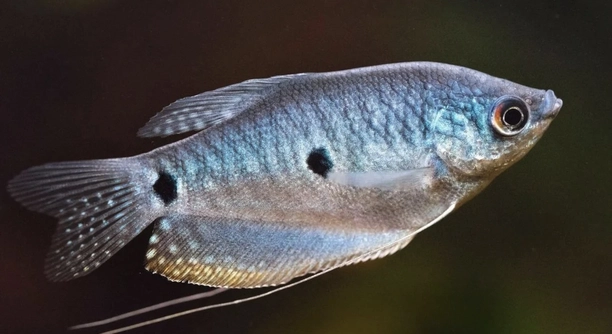
Are your gourami swimming back and forth along the tank walls more than usual? This behavior can catch your attention quickly and may seem unusual. Understanding why they do this can help keep your fish comfortable and healthy in their environment.
Gourami pacing the tank walls is often a sign of stress, boredom, or insufficient space. It can also indicate water quality issues or a lack of hiding spots, which causes the fish to feel unsafe and restless within the tank environment.
Learning what causes this behavior is important for improving your gourami’s wellbeing. Small changes in the tank setup or care routine can make a big difference in their comfort and happiness.
Common Reasons Gourami Pace the Tank Walls
Gourami pacing along the tank walls usually points to a few key issues. Often, the tank may be too small, limiting their space to swim freely. Gouramis need enough room to explore and swim calmly. Another reason can be poor water quality—high ammonia or nitrate levels make fish uncomfortable and stressed. Lack of hiding places also plays a role. Gouramis feel safer with plants, caves, or decorations where they can retreat when needed. Stress from aggressive tank mates can cause pacing as well. When gouramis feel threatened or unsettled, they may swim restlessly near the edges. Finally, they might be bored or under-stimulated, leading to repetitive behavior. Watching your gourami’s environment closely can help spot what might be wrong.
Addressing tank size, water conditions, and hiding spots can quickly reduce pacing behavior.
Making simple adjustments to improve the tank environment can greatly improve your gourami’s comfort and reduce pacing.
How Tank Size Affects Gourami Behavior
Tank size directly impacts gourami activity. A tank too small restricts movement and causes stress, leading to pacing. Gouramis are active swimmers that need enough space to behave naturally. Without enough room, they may pace in frustration or anxiety. A larger tank allows for more natural swimming patterns and reduces stress. It also provides space to add plants and decorations, which help gouramis feel secure. A recommended minimum tank size is 20 gallons for most gouramis, but bigger is better, especially with multiple fish. Ensuring proper space helps gouramis stay calm and healthy, decreasing wall-pacing behavior.
Improving Water Quality for Happier Gouramis
Keeping the water clean is essential for your gourami’s wellbeing. Poor water quality can irritate fish and cause pacing. Regular water changes, testing for ammonia, nitrite, and nitrate, and maintaining proper filtration are key. Clean water helps gouramis feel safe and relaxed. Temperature should also be stable, as sudden changes add stress. Using a water conditioner removes harmful chemicals from tap water. Adding live plants can assist in maintaining better water quality naturally. A well-maintained tank environment encourages healthier, calmer gouramis, reducing pacing along tank walls.
Adding Hiding Spots and Decorations
Gouramis benefit from places to hide and explore. Adding plants, caves, or ornaments offers security and mental stimulation. These features reduce stress and help prevent pacing. Natural decorations mimic their habitat, making them feel safer. Creating areas to rest or escape aggressive tank mates improves their behavior and comfort.
Providing varied hiding spots supports your gourami’s natural instincts and reduces wall pacing.
Adding decorations creates a more enriching environment, which is crucial for peaceful and content gouramis.
Stress and Aggressive Tank Mates
Stress is a common cause of pacing in gouramis. When they feel threatened or bullied by other fish, they often swim anxiously along the tank walls. This behavior can indicate discomfort or fear.
Aggressive tank mates can make gouramis feel unsafe, increasing their stress levels. Fish that chase, nip, or dominate gouramis force them to keep moving, unable to relax. It’s important to select peaceful companions and avoid overcrowding the tank. Watching interactions closely helps identify any aggressive behavior early. Removing or separating aggressive fish can calm your gouramis and stop pacing.
Additionally, providing plenty of hiding places gives stressed gouramis spots to retreat. This reduces tension and promotes healthier interactions. Managing tank dynamics carefully creates a more peaceful environment, allowing gouramis to feel secure and behave naturally.
Boredom and Lack of Stimulation
Gouramis are curious and active fish that need mental and physical stimulation to stay happy. A bare or empty tank offers little to engage their senses, which can lead to boredom. Pacing becomes a repetitive behavior that fills the void.
Adding live plants, varying decorations, and changing tank layouts can keep gouramis interested. Introducing floating plants or gentle water currents mimics their natural environment and encourages exploration. Some gouramis even enjoy interacting with floating food or toys designed for fish. Variety in the tank environment prevents boredom and helps your gouramis feel more engaged.
Without enough stimulation, gouramis may develop unhealthy behaviors like constant pacing. Enriching their habitat improves overall wellbeing and encourages more natural, relaxed activity patterns.
Water Temperature Issues
Water temperature that is too high or too low can stress gouramis, causing pacing behavior. Gouramis prefer stable temperatures between 75°F and 82°F. Sudden changes in temperature disrupt their comfort and activity levels.
Using a reliable heater and thermometer helps maintain consistent water temperature. Avoid placing the tank near drafts or direct sunlight that cause fluctuations.
Signs of Illness in Gouramis
Illness often causes unusual behavior like pacing. Symptoms include faded colors, clamped fins, rapid breathing, or loss of appetite. If pacing is accompanied by these signs, your gourami may be sick. Early detection is important for treatment and recovery.
Feeding Habits and Pacing
Sometimes pacing happens near feeding times. Gouramis may swim along tank walls anticipating food, especially if feeding schedules are inconsistent. Establishing a regular feeding routine helps reduce this behavior.
When to Seek Professional Help
If pacing continues despite improving tank conditions, consulting a veterinarian or aquatic specialist is recommended. Persistent pacing could signal deeper health or environmental problems needing expert care.
FAQ
Why do my gouramis pace the tank walls so much?
Pacing is usually a sign of stress, boredom, or discomfort. It can happen if the tank is too small, water quality is poor, or there are no hiding places. Sometimes, it’s also caused by aggressive tank mates or sudden changes in the environment. Watching your gourami’s behavior closely helps find the cause.
Is pacing normal behavior for gouramis?
Some pacing can be normal, especially if your gourami is curious or waiting for food. However, constant pacing often means something needs to change in their environment. It’s important to look for other signs like discoloration or hiding to determine if pacing is due to a problem.
How can I reduce pacing in my gouramis?
Improving tank conditions usually helps. Make sure the tank is large enough, clean the water regularly, add plants or decorations for hiding, and choose peaceful tank mates. Also, keep the water temperature stable and feed your gouramis on a consistent schedule to lower stress.
Can pacing be caused by illness?
Yes, illness can cause pacing, especially if it comes with other symptoms like clamped fins, lethargy, or loss of appetite. If you notice these signs, it’s best to consult a vet or fish specialist to diagnose and treat your gourami.
What tank size is best for gouramis?
A minimum of 20 gallons is recommended for most gouramis. Bigger tanks give them more space to swim and reduce stress. Overcrowding leads to aggression and pacing, so always provide enough room.
Do gouramis need hiding spots?
Yes, hiding spots are essential. Gouramis feel safer when they can retreat to plants or caves. Hiding places reduce stress and help prevent pacing caused by fear or anxiety.
Can aggressive tank mates cause pacing?
Aggressive or overly active fish can make gouramis feel threatened. This causes them to pace along the tank edges in an attempt to avoid confrontation. Choosing peaceful tank mates helps reduce stress and pacing.
Does water temperature affect pacing?
Fluctuating or extreme water temperatures can stress gouramis and lead to pacing. Keep the temperature between 75°F and 82°F for best results. Use heaters and thermometers to maintain stability.
Is pacing a sign of boredom?
Yes, lack of stimulation can cause pacing. Gouramis are active fish and need plants, decorations, or toys to keep them engaged. Bored fish often swim repetitively out of frustration.
How often should I clean the tank to prevent pacing?
Regular water changes every one to two weeks help maintain good water quality. Test water parameters frequently to catch issues early. Clean tanks reduce stress, which lowers pacing behavior.
Can feeding routines impact pacing?
Inconsistent feeding times may cause gouramis to pace in anticipation. A regular feeding schedule helps them feel secure and reduces repetitive swimming near the tank walls.
When should I seek expert help for pacing behavior?
If pacing continues despite changes in the tank, or if your gourami shows signs of illness, consult a vet or aquatic specialist. Persistent pacing may indicate health problems that need professional care.
Are there any behavioral signs that show my gourami is happy?
Happy gouramis swim calmly, explore their environment, and interact with other peaceful fish. Bright colors and normal eating habits also indicate wellbeing. Calm swimming, rather than constant pacing, is a good sign.
Can lighting affect gourami behavior?
Strong or inconsistent lighting can stress gouramis and lead to pacing. Using a gentle, natural light cycle helps mimic their habitat and reduces stress.
Is it okay to have multiple gouramis in one tank?
Yes, but ensure the tank is large enough and that gouramis have enough hiding spaces. Overcrowding or placing incompatible species together can cause stress and pacing. Proper care prevents conflict.
What type of plants work best for gouramis?
Live plants like Java fern, Anubias, or floating plants provide hiding spots and improve water quality. Plants help create a natural environment and reduce stress-related pacing.
How long does it take for pacing behavior to stop after making changes?
It varies, but usually, you’ll see improvement within a few days to a week after improving tank conditions. Be patient, and keep monitoring your gouramis for progress.
Can gouramis get lonely and pace because of that?
Gouramis are generally social but can be territorial. Some species prefer company, while others do better alone or in pairs. Observing how your gourami behaves around others helps decide if loneliness is an issue.
Does water pH affect pacing?
Yes, incorrect pH levels can stress gouramis. They prefer slightly acidic to neutral water (pH 6.0-7.5). Test and adjust the water to keep it within the right range to reduce pacing caused by discomfort.
Are there any supplements to calm pacing gouramis?
Some aquarists use stress-reducing products like aquarium salt or herbal additives. These can help calm fish but should be used carefully following product instructions. Improving environment and care remains the best solution.
Final Thoughts
Gouramis pacing the tank walls is often a sign that something in their environment needs attention. This behavior usually points to stress, discomfort, or boredom. By carefully observing your gouramis and their surroundings, you can identify the factors causing this pacing. Common issues include poor water quality, aggressive tank mates, and lack of hiding spots. Fixing these problems can make a big difference in your fish’s comfort and reduce pacing.
Maintaining the right tank conditions is essential for healthy gouramis. Regular water changes and proper filtration keep the water clean and safe. Temperature stability also plays an important role in reducing stress. Providing enough space and a peaceful community helps your gouramis feel secure. Adding live plants or decorations offers shelter and mental stimulation, which prevents boredom. These small changes create a more natural environment that encourages calm, relaxed behavior instead of constant pacing.
If pacing continues despite making improvements, it may be a sign of illness or a deeper issue. Watching for other symptoms like changes in color, appetite, or activity can help you determine if your gourami needs medical attention. When in doubt, consulting a veterinarian or aquatic specialist is a good idea. With proper care and attention, your gouramis can thrive and enjoy a more peaceful, stress-free life in their tank.

Hello,
If you enjoy the content that we create, please consider saying a "Thank You!" by leaving a tip.
Every little bit helps us continue crafting quality advice that supports the health, happiness, and well-being of pets around the world, for pets of all shapes, sizes, and species.
We really appreciate the kindness and support that you show us!