
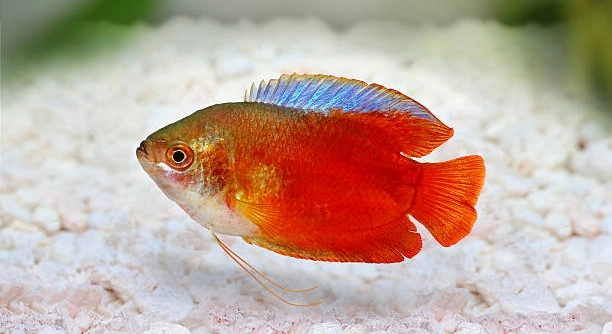
Do your gouramis often chase the same tank mate, making you wonder if something might be wrong in your aquarium setup?
Gouramis often chase the same fish due to territorial behavior, stress, or competition for dominance. This is especially common in smaller tanks or when tank mates resemble each other. Such behavior may indicate a need for habitat adjustment.
Understanding these behaviors can help create a more peaceful environment and ensure all fish in your tank stay healthy and stress-free.
What Causes Gouramis to Chase Other Fish
Gouramis may seem peaceful at first, but they can become aggressive under certain conditions. This behavior often starts when they feel stressed, crowded, or need to defend their space. Male gouramis, in particular, tend to be territorial. If they see another fish as a threat—especially one that looks similar—they might begin chasing it. The tank size plays a big role here. A small or poorly decorated tank limits hiding spaces and makes conflicts more likely. Even lighting and feeding routines can influence behavior. Bright lights and irregular feeding may increase stress. In some cases, a gourami may also be chasing because it’s mating season or it’s bored and lacks stimulation. Watching your tank closely can help you figure out if the chasing is occasional or constant. If it’s always the same fish being targeted, it’s likely about dominance or territory.
Chasing can sometimes look playful, but it often means something in the tank needs adjusting.
A fish that is always being chased might get hurt or stop eating. You want to catch this early to avoid health problems.
How to Fix the Behavior
First, take a look at your tank setup. Is it big enough? Gouramis need space to feel secure. A 20-gallon tank or larger is ideal for most types. Adding plants and decorations gives fish places to hide and helps them stay out of each other’s way. Keep an eye on your lighting—strong, constant light can stress out fish and trigger aggressive behavior. You should also feed at the same time every day to build routine and reduce anxiety. If chasing continues, try rearranging the tank. This helps break up territories. You can also add a few more fish, but only if the tank can handle it. Sometimes, spreading out attention among more fish reduces aggression. Lastly, if a certain gourami is too aggressive, you may need to separate it or return it to the store. Watching how your fish act over time is key. Tiny changes can make a big difference.
Signs the Chasing Is a Problem
If one fish is constantly hiding, skipping meals, or showing torn fins, it’s time to step in. Chasing that causes stress or injury can lead to illness, so it shouldn’t be ignored for long.
Watch the body language of both fish. If the one being chased shows faded colors, rapid breathing, or tries to escape every time the gourami comes close, the behavior is not playful. Frequent hiding under plants or behind decorations is also a red flag. Injuries like fin damage or missing scales are clear signs that chasing has become harmful. Even if there are no physical injuries, long-term stress can still lead to sickness. If you’re seeing these issues, it’s best to separate the aggressive fish before things get worse. Early action can prevent more serious problems later.
Gouramis may also show other signs of stress themselves when tank conditions aren’t right. Aggression can be their way of reacting to poor water quality, limited space, or too many tank mates. Sometimes, fixing the water parameters or adding hiding spots quickly reduces aggression. But if the chasing keeps happening even after you’ve made changes, it could be time to think about rehoming one of the fish. Constant stress isn’t healthy for any of them.
Choosing Tank Mates Wisely
Some fish just don’t mix well with gouramis. Fast swimmers, fin nippers, or other territorial fish can cause conflict and make aggression worse. Peaceful, non-aggressive fish are the better choice.
Good tank mates for gouramis include small schooling fish like neon tetras, rasboras, and corydoras catfish. These species tend to stay out of the gourami’s way and don’t trigger territorial behavior. Avoid slow-moving or long-finned fish like bettas or fancy guppies, as they may become targets. Also, don’t overcrowd the tank—too many fish in one space increases stress and makes chasing more likely. Try to match temperaments and swimming levels. Bottom dwellers are often a safe choice because they don’t compete for the same space. Introducing all fish at the same time can help reduce the chance of one becoming overly dominant. Always monitor new additions to make sure they’re getting along.
When Separation Is the Best Option
If one fish is constantly stressed, injured, or hiding, separating it is often the safest move. Keeping it in the same tank could lead to illness or even death, especially if no changes improve the situation.
A temporary divider can work well if you’re not ready to move fish permanently. It gives both fish space and time to calm down. If aggression continues after reintroducing them, a permanent separation may be necessary.
Making the Tank Less Stressful
Adding more plants, hiding spots, and soft lighting can calm aggressive behavior. A busy tank gives shy fish a chance to rest and stay out of sight. Use floating plants to break line of sight and help the chased fish feel secure. Proper filtration and clean water also reduce stress.
Monitoring Changes Over Time
Once you make changes, keep watching. Behavior might shift slowly. Tracking progress helps you decide if things are improving or if more action is needed.
FAQ
Why do my gouramis only chase one specific fish?
This usually happens when the chased fish looks similar to the gourami or invades its preferred space in the tank. Gouramis can become territorial, especially males. If they feel another fish is a threat, they may fixate on it. Sometimes, the picked-on fish is slower or weaker, making it an easier target. This behavior can start during feeding, after tank changes, or when a new fish is added. Watching closely will help you see if it’s a pattern or just occasional.
Can female gouramis also be aggressive?
Yes, although it’s more common in males, females can still be aggressive, especially if they feel overcrowded or are part of a species known for being semi-aggressive. Female gouramis might also chase during breeding or when stressed. If your female gourami is doing the chasing, check the tank conditions. Make sure there’s enough space and hiding areas. Sometimes, even female gouramis just want their own quiet corner of the tank.
Will a larger tank stop the chasing?
A bigger tank can help reduce aggression, but it’s not a guaranteed fix. Space gives fish more room to avoid each other, which can reduce conflict. It also allows for more decorations and hiding spots, breaking up territories and giving fish separate areas. However, if a fish is especially aggressive by nature, it might still chase others regardless of the tank size. A larger tank helps most in mild to moderate situations.
Is chasing always a sign of aggression?
Not always. Gouramis might chase each other lightly during courtship or when they’re just sorting out social ranks. If there’s no biting, injuries, or long-term stress, the chasing could be harmless. Still, it’s good to watch. What starts as playful chasing can turn aggressive over time, especially if the tank is too small or if something changes, like the addition of a new fish.
Should I remove the chased fish or the aggressor?
In most cases, it’s better to remove the aggressor. The chased fish is already stressed and relocating it may cause even more problems. If you move the aggressive one, it gives the rest of the tank a break. If removing isn’t an option, try using a divider or rearranging the tank to see if the behavior improves first.
What’s the best way to reintroduce fish after separating them?
Change the tank layout before reintroducing. Move decorations and plants to break up old territories. Add both fish at the same time if possible. This way, they enter the new layout equally. Watch closely for signs of renewed aggression. Reintroductions don’t always work, but a new environment helps reduce tension.
How long should I monitor behavior after making changes?
At least a week. Fish take time to adjust to changes. Watch daily for signs of stress, injuries, or chasing. If things are still tense after a week, it may be time to try something else. Small improvements count too—less hiding or more normal swimming are good signs.
Can water quality affect aggression?
Yes. Poor water quality increases stress, and stressed fish are more likely to act out. Check ammonia, nitrite, and nitrate levels. Keep the tank clean, do regular water changes, and test often. Fish that are uncomfortable in their environment are more likely to lash out.
Are certain gourami species more peaceful?
Yes. Pearl gouramis and honey gouramis are known to be gentler than three-spot or blue gouramis. Dwarf gouramis fall somewhere in between. Even within species, individual behavior can vary, but choosing a calmer species from the start makes a big difference.
Is chasing a sign that I need more fish?
Sometimes, yes. In some setups, adding a few more peaceful fish can help spread out attention and reduce targeting of one individual. But only do this if your tank has the space and filtration to support it. Overcrowding causes more problems than it solves.
Final Thoughts
Gouramis are beautiful and interesting fish, but they can sometimes show unexpected behavior. Chasing is one of those things that may seem harmless at first but can turn into a bigger issue over time. It often starts when the tank is too small, not set up well, or when fish feel stressed. Sometimes, one fish simply becomes the target of another, even if everything else seems fine. Watching how your fish act each day is important. If you notice one always hiding or showing signs of stress, it’s a signal that something might need to change.
Simple changes can make a big difference. Adding more plants, rearranging the tank, or giving fish more space often helps reduce stress and aggression. Keeping the water clean, feeding on a schedule, and avoiding sudden changes in the environment also play a big role in keeping your gouramis calm. If chasing continues, sometimes separation is the best choice for everyone. It’s not always ideal, but it keeps the fish safe and helps them live healthier lives. Choosing the right tank mates from the start and knowing what each fish needs also makes a peaceful setup easier to achieve.
Not all chasing is harmful, but it’s still something to watch closely. When it’s constant or directed at just one fish, it’s a sign of a deeper issue. As the fish keeper, it’s up to you to notice these things and take action before they get worse. Gouramis can live happily in a calm, balanced tank, but they need the right space, companions, and care to thrive. Every fish is different, so what works in one tank might not work in another. Being patient, observant, and willing to make small changes helps you create the best home for all your fish.

Hello,
If you enjoy the content that we create, please consider saying a "Thank You!" by leaving a tip.
Every little bit helps us continue crafting quality advice that supports the health, happiness, and well-being of pets around the world, for pets of all shapes, sizes, and species.
We really appreciate the kindness and support that you show us!