
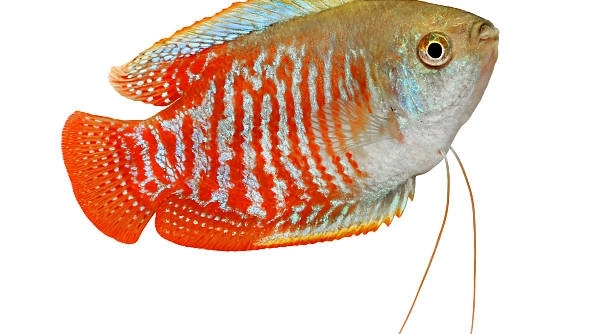
Are your gourami acting restless or hiding more than usual, even when everything else in the tank seems fine? Lighting might be the issue. Small changes in brightness or schedule can leave them feeling overwhelmed and unsettled.
The most common lighting mistakes that stress gourami include overly bright bulbs, inconsistent light cycles, lack of shaded areas, and sudden changes in lighting. These conditions disrupt their natural behavior, leading to increased stress, reduced activity, and potential health problems.
Learning how to avoid these mistakes can help you create a calm and comfortable environment your gourami will thrive in.
Using Harsh or Intense Lighting
Strong, direct lighting can overwhelm gourami. These fish prefer calm, dim environments with areas to hide or rest. When the tank is flooded with intense light, it can lead to skittish behavior, increased hiding, or aggression toward tank mates. Bright lighting also tends to highlight movement in the room, which can overstimulate them further. If your setup includes high-lumen bulbs or is positioned near a window, it might be creating a stressful setting. It’s better to use a softer aquarium light, ideally adjustable, to mimic their natural environment. Stick with lower wattage LED lights and avoid spotlights or open fixtures that cause glare. The goal is to light the tank evenly without making it feel exposed. Plants and floating décor can help break up light and give your gourami relief from constant exposure. Creating a shaded area gives them more control over how much light they’re exposed to.
Avoid using high-lumen bulbs or overly exposed fixtures in your tank setup. Gourami prefer soft, even lighting without harsh glare or intensity.
If your current setup feels too bright, try adding floating plants like water lettuce or frogbit. These provide quick, natural shading. Another option is switching to dimmable LED fixtures that let you control brightness more precisely. Gourami are sensitive to shifts in environment, and easing the light intensity can help regulate their stress levels. Make sure the tank has shaded hiding spots and consider how outside light affects the tank during the day. Covering a nearby window or repositioning the aquarium can make a big difference. Always test your lighting changes gradually. A sudden drop from bright to dim can also trigger stress. Aim for consistency and balance—enough light for plant growth and visibility, but never so much that it creates discomfort for your gourami.
Inconsistent Lighting Schedule
Erratic light schedules can confuse your gourami and disrupt their natural rhythm. Without a steady cycle, they may become stressed or inactive.
Try to keep your aquarium lighting on a consistent timer. Gourami thrive best when the tank light follows a regular pattern—typically 8 to 10 hours of light daily. If you often turn the light on and off at different times, or forget to switch it off at night, it can throw off their internal routine. Consistent lighting helps regulate their feeding, resting, and swimming habits. Investing in a basic timer solves this problem easily. Set it to turn on and off at the same times every day. It’s especially useful if you’re away or have a busy schedule. Avoid extending the light period too long, as too much light can also cause algae buildup and additional stress. Maintaining a regular light schedule supports both your fish and the overall tank environment.
Sudden Changes in Lighting
Abrupt lighting changes can unsettle gourami and lead to stress-related behaviors like darting, hiding, or not eating. Turning lights on or off too quickly disrupts their sense of safety, especially in tanks without shaded areas or gradual transitions.
To prevent this, always introduce lighting changes gradually. In the morning, it helps to let some natural room light fill the space before turning on the tank lights. At night, switch off the tank light after dimming the room light first. This gives your gourami time to adjust instead of reacting to harsh, sudden contrasts. If possible, use a light with a built-in sunrise or sunset setting. These mimic natural changes and create a calmer environment. For tanks without such lighting, just manually dim the room over time. Maintaining a consistent pattern each day helps your gourami feel secure and reduces the chance of startled reactions.
Even something like opening a window shade too quickly can trigger stress if it causes a sharp burst of light. Try using curtains or blinds to control how much light enters the room in the morning. When cleaning the tank or performing water changes, avoid sudden light shifts during these activities. Keep things steady and consistent whenever possible. If you use a timer on your tank light, pair it with ambient room light to buffer the change. Gourami are sensitive fish that respond well to routines. Their environment doesn’t need to be silent or dark, but too many unexpected shifts in brightness can leave them anxious. Focus on gentle transitions and a steady rhythm throughout the day.
No Shaded Areas in the Tank
Gourami need areas where they can escape bright light. Without shaded spots, they often feel exposed and may retreat to corners or stay still for long periods.
Add live or artificial plants to help create hiding places. Tall plants, floating leaves, and even decorations like driftwood or caves give your gourami some much-needed cover. These shaded areas help them feel protected and reduce the chances of stress-related problems. Floating plants are especially helpful since they block overhead light without affecting your view of the fish. Shaded zones also give fish a place to rest and recharge throughout the day. Make sure there’s a balance—open swimming space is still important, but too much openness leaves gourami feeling unsafe. A mix of light and shadow across the tank helps mimic their natural environment. It’s an easy fix that can make a noticeable difference in their behavior.
Some gourami may hover under the filter outflow or hide behind heaters when they don’t feel secure. This is a sign they’re looking for shelter. You don’t need to pack the tank with decorations—just focus on thoughtful placement. A couple of broad-leaf plants and some floating cover go a long way. If you’re using artificial décor, choose pieces with soft edges and natural shapes. Try different layouts to see what makes your gourami more active and relaxed. Even changing the position of a single plant can improve how light spreads across the tank. When your fish have a choice between light and shade, they’ll move more freely and show calmer, more natural behavior.
Inconsistent Day and Night Cycle
When lights turn on and off at different times each day, gourami can become uneasy. These fish rely on stable patterns to feel secure. A random lighting schedule can disrupt their eating habits and affect their resting periods.
Using a timer can help keep things on track. It makes sure the tank lights follow the same cycle daily. This helps set a clear day-night rhythm that supports healthy behavior. Gourami become more active when they know what to expect. A consistent routine creates a calm and stable environment that benefits both the fish and the tank setup.
Lights Left on Too Long
Keeping the lights on for too many hours can overstimulate gourami and interrupt their rest. These fish need time in darkness to recharge. Long lighting hours also encourage algae growth, which adds stress and reduces water quality. Aim for 8–10 hours of light each day. If the tank is in a bright room, consider reducing artificial light even more. Darkness signals to gourami that it’s time to rest, so try to keep the light schedule in sync with natural daylight. A simple plug-in timer makes it easy to stay consistent and avoid accidental overexposure.
Lighting That’s Too Bright
Overly strong lighting makes gourami nervous. It washes out their colors, makes them hide more, and may lead to chronic stress. Softer, dimmer lights feel more natural and help your gourami stay calm and active throughout the day.
FAQ
Can bright lighting make my gourami aggressive?
Yes, bright lighting can cause gourami to become territorial or easily startled. They often feel exposed in strong light, which may lead to defensive behavior. Some may chase tankmates or guard hiding spots more aggressively. Softer lighting or adding shaded areas can reduce this tension. When gourami feel safer, they’re much less reactive. Overhead light that’s too harsh creates unnatural conditions that stress them out. If you notice changes in behavior, try dimming the lights or adjusting the layout to provide more cover. A calmer environment often leads to more peaceful tank dynamics.
Is it okay to use blue LED lights at night?
Blue LEDs may look calming, but they can still disturb a gourami’s rest. These fish rely on total darkness to regulate their internal clock. Leaving any kind of light on overnight—even dim blue light—can interfere with their sleep. Over time, this can impact their overall health. If you want to view your tank in the evening, keep the lights on a low setting for a short period, then switch them off completely. Using a timer helps make this consistent. It’s better for the fish and helps reinforce a natural cycle of rest and activity.
How many hours of light should my gourami get daily?
Gourami do best with 8 to 10 hours of light per day. This gives them enough time to stay active, eat well, and explore their space. Too much light can cause overstimulation and leave them restless. Too little can make them sluggish and reduce their appetite. Keeping a consistent lighting schedule is more important than being exact with the hours. If you can’t be home to manage it manually, a basic outlet timer will help. It sets the same routine every day, which keeps your fish relaxed and their environment predictable.
Why does my gourami hide more when the light is on?
Gourami often hide under strong lights because they feel too exposed. In the wild, they stay near plants and shadows to avoid threats. If your tank is too bright or lacks cover, your gourami may retreat more often. This isn’t always a sign of illness—it could just mean the lighting setup isn’t comfortable for them. Try adding floating plants, tall stems, or ornaments that block some light. Once your gourami has safe places to retreat, you’ll likely see more natural swimming and less hiding.
Should I use a lighting timer for my tank?
Yes, a timer is one of the simplest ways to keep your lighting consistent. It turns lights on and off at the same time every day without you needing to remember. Gourami are creatures of habit and feel most comfortable when they can predict their environment. A timer helps reinforce a regular cycle of day and night, supporting their natural behavior. Even basic plug-in timers work well and are inexpensive. It’s an easy step that can make a big difference in reducing stress and helping your gourami stay healthy and active.
What type of lighting is best for gourami?
Soft, full-spectrum lighting is ideal for gourami tanks. It mimics natural daylight but isn’t too harsh or intense. Avoid lights that are overly bright or narrow-spectrum, like some reef or plant lights. These can cause stress and wash out your fish’s color. Choose bulbs or LEDs labeled as low to moderate intensity. If your tank includes live plants, make sure the lighting supports plant growth without overwhelming your fish. You can also adjust light placement and add floating cover to soften the brightness. Balanced lighting helps your gourami feel comfortable and makes the tank look better overall.
Can sudden light changes scare my gourami?
Yes, sudden lighting changes—like flipping a switch in a dark room—can startle gourami. They may dart around the tank, hide, or stop eating temporarily. It’s better to ease them into light transitions. Letting in some daylight before turning on the tank light helps. Dimming room lights before switching the tank off works, too. If you have a light with a sunrise/sunset feature, use it. These gradual shifts are more natural and keep your fish calm. If you don’t, just focus on keeping the routine smooth and consistent. Sudden changes tend to make fish anxious and disoriented.
Final Thoughts
Caring for gourami means understanding how small changes in their environment can have a big impact. Lighting is one of those things that often gets overlooked but plays a major role in their stress levels. Too much light, sudden shifts in brightness, or long exposure times can create conditions that leave them uneasy. These fish rely on a calm and predictable setting to feel secure, and poor lighting habits can disturb their eating, swimming, and resting patterns. When they don’t feel safe, they may hide, become aggressive, or stop being as active. Paying attention to how your lighting affects their behavior is a simple but important step toward keeping them healthy and comfortable.
The good news is that lighting adjustments are easy to manage. Whether it’s reducing brightness, shortening light hours, or using a timer, small tweaks often lead to visible improvements in your gourami’s behavior. Adding floating plants or ornaments helps create shaded areas and makes the tank feel more natural. Consistency also matters. Keeping the same light schedule daily builds trust in their environment, which encourages normal movement and lowers anxiety. Watching how your gourami responds over time will help you find the right setup. If they are swimming calmly, showing interest in food, and not hiding too often, the lighting is probably working well.
Every gourami is a little different, and their comfort often depends on your setup, tank mates, and personal habits. There’s no one-size-fits-all solution, but the tips in this article are a solid starting point. The key is to observe, adjust, and be patient. Stress in fish doesn’t always show up right away, so changes in lighting should be made gradually. Give them time to respond before making more adjustments. When you create a tank that supports their natural rhythms, you’ll not only reduce stress but also enjoy watching them display brighter colors and more relaxed behaviors. A thoughtful lighting routine is one of the easiest ways to help your gourami thrive.

Hello,
If you enjoy the content that we create, please consider saying a "Thank You!" by leaving a tip.
Every little bit helps us continue crafting quality advice that supports the health, happiness, and well-being of pets around the world, for pets of all shapes, sizes, and species.
We really appreciate the kindness and support that you show us!