
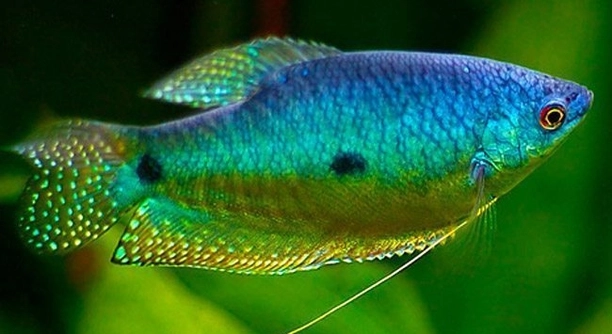
Gouramis are popular aquarium fish known for their unique behaviors and gentle nature. Many new and experienced fish keepers observe their actions with curiosity. Sometimes, these natural behaviors are misunderstood or misinterpreted.
Gouramis display several natural behaviors that are often mistaken for aggression, illness, or stress. These include bubble nest building, flaring fins, and hiding, which are normal and important for their well-being and communication within their environment.
Recognizing these behaviors correctly can improve how you care for your gourami and strengthen your connection with them. Understanding their natural habits makes fishkeeping more rewarding and enjoyable.
Bubble Nest Building
Gouramis, especially males, often create bubble nests on the water’s surface. This behavior is a natural part of their breeding process. The male blows bubbles coated with saliva, which helps keep them stable. These nests serve as a safe place to protect fertilized eggs until they hatch. It’s common for hobbyists unfamiliar with this behavior to think something is wrong when they see these bubbles. However, bubble nests are a sign of a healthy, comfortable gourami. The fish is simply preparing for potential reproduction. Even if there’s no female around, males can build nests as a display of readiness. This behavior can also show that the water conditions are suitable for the fish, which is a good sign overall. Watching a gourami build a bubble nest is fascinating and shows how instinctive their care for offspring is.
Recognizing bubble nests helps avoid unnecessary tank changes or stress for your fish.
Understanding this natural breeding behavior ensures your gourami’s environment supports their needs and comfort.
Flaring Fins
Flaring fins is a common display when gouramis feel threatened or want to establish dominance.
This behavior is often misunderstood as aggression, but it is mostly a communication method. Gouramis flare their fins to look bigger and warn others to back off without actually fighting. It helps prevent physical conflicts by setting boundaries early. In community tanks, this is seen when gouramis meet unfamiliar tank mates or during territorial disputes. The flaring is usually short-lived and not harmful. Over time, fish learn each other’s limits, and the displays become less frequent. It’s important not to overreact or separate fish immediately if you notice flaring, as it’s a normal part of their social behavior. Ensuring enough space and hiding spots reduces stress and the need for constant displays. Observing when and why gouramis flare can give insight into their comfort level and social dynamics.
Hiding and Shyness
Gouramis often hide when they feel insecure or need rest. This behavior is normal and helps them feel safe in their environment.
Hiding can occur when the tank is new, or there are sudden changes like new fish or rearranged decorations. It doesn’t always mean the fish is sick or stressed. Gouramis use hiding spots to regulate their comfort and avoid threats. Providing plants, caves, or other covers can encourage this natural behavior. Over time, as they adjust, gouramis will spend more time swimming openly.
Noticing when your gourami hides helps you understand their mood and needs. It’s important to give them space and a calm environment. Avoid frequent disturbances to support their natural way of coping with stress.
Mouth Breathing
Mouth breathing in gouramis is common and related to their need for extra oxygen.
These fish have a labyrinth organ, allowing them to breathe air from the surface. Mouth breathing helps them survive in low-oxygen water, but it can look like heavy or labored breathing. Sometimes, this behavior increases when water quality declines or temperature rises, indicating that oxygen levels are lower than ideal. While occasional surface breathing is normal, constant gasping suggests checking water parameters and improving aeration. Keeping the tank clean and well-maintained reduces the need for excessive mouth breathing. Understanding this natural adaptation helps you avoid unnecessary worry and respond appropriately to your gourami’s environment.
Tail Twitching
Tail twitching is a quick, small movement gouramis often make. It usually shows mild excitement or curiosity.
This behavior is normal and not a sign of illness. It can happen when gouramis explore new surroundings or react to nearby movement.
Color Changes
Gouramis can change color depending on mood, health, or environment. Bright colors often show good health and confidence. Duller shades might indicate stress or illness.
Watching your gourami’s color shifts helps you understand its well-being. Sudden or extreme changes should prompt a check of water quality and diet.
Floating Near the Surface
Gouramis sometimes float close to the water surface to breathe air or rest. This is normal behavior due to their labyrinth organ.
Why does my gourami build bubble nests even if there is no mate?
Male gouramis naturally build bubble nests as part of their breeding instinct. This behavior can occur regardless of the presence of a female. The nest signals that the male is healthy and comfortable in its environment. Sometimes, it is also a way to claim territory or reduce stress. Even without a mate, the bubble nest is a sign the fish feels secure enough to perform natural behaviors. There’s no need for concern if you see these bubbles; it’s a normal part of gourami life.
Is fin flaring a sign of aggression in gouramis?
Flaring fins is mostly a communication tool rather than outright aggression. Gouramis flare to appear larger and warn other fish to keep their distance. It helps avoid fights by setting boundaries early on. In community tanks, this behavior is common when fish first meet or compete for space. Flaring usually stops once the fish establish their social order. It’s important not to separate them immediately unless you see actual fighting or injury. Proper tank size and hiding spots reduce stress and flaring frequency.
Why does my gourami hide so much? Is it sick?
Hiding is a natural behavior that helps gouramis feel safe, especially in new or stressful situations. It does not automatically mean the fish is sick. Changes in the tank, new fish, or rearranged decorations can cause temporary hiding. Providing plenty of plants and shelters helps gouramis feel secure. If hiding continues alongside other signs like loss of appetite or faded color, then health concerns might be present. Monitoring water quality and behavior will help you distinguish between normal shyness and illness.
What causes my gourami to breathe at the surface frequently?
Gouramis have a labyrinth organ that allows them to breathe air from the surface, which is normal. Frequent surface breathing can happen if oxygen levels in the water are low due to poor aeration, high temperature, or overcrowding. It’s important to keep the tank clean and well-oxygenated. If your gourami is constantly gasping for air, test the water parameters and improve filtration or aeration. Occasional surface breathing is normal, but persistent gasping indicates the need for environmental adjustments.
Can color changes in gouramis mean something is wrong?
Yes, color changes can reflect the gourami’s mood, health, or environment. Bright, vibrant colors usually indicate good health and comfort. Dull or faded colors might mean stress, poor water conditions, or illness. Color changes can also occur during breeding or as a natural response to surroundings. Sudden or dramatic shifts should prompt a water quality check and health assessment. Ensuring a balanced diet and stable tank environment helps maintain healthy coloration.
Why does my gourami twitch its tail?
Tail twitching is often a sign of mild excitement or curiosity. Gouramis may twitch their tails when exploring new areas or reacting to movement nearby. This behavior is normal and not a sign of illness. However, excessive twitching combined with other symptoms might indicate irritation or parasites. Regular observation and good tank maintenance prevent most problems.
Is it normal for gouramis to float near the surface?
Yes, gouramis often float near the surface because they breathe air using their labyrinth organ. Floating at the top allows easy access to oxygen. This is normal and part of their natural adaptation. If they stay at the surface constantly and appear weak or lethargic, water quality or health issues should be checked.
How can I tell if my gourami is stressed?
Signs of stress include hiding more than usual, loss of appetite, faded colors, erratic swimming, or excessive fin flaring. Stress can be caused by poor water quality, overcrowding, aggressive tank mates, or sudden environmental changes. Regular water testing and providing plenty of hiding spots help reduce stress. Observing your gourami’s normal behavior helps identify when something is off.
Do gouramis get along with other fish?
Gouramis can be peaceful but may show territorial behavior, especially males. They usually coexist well with other calm fish that are not too small or aggressive. Providing enough space and hiding places minimizes conflicts. Watching interactions closely is important to ensure a harmonious tank.
What should I do if my gourami’s behavior suddenly changes?
Sudden changes in behavior often indicate stress or illness. Check water quality parameters immediately and look for signs of disease like spots, swelling, or damaged fins. Isolate sick fish if necessary and adjust tank conditions. Early detection and care improve the chances of recovery.
Understanding gouramis’ natural behaviors is important for providing good care. Many actions that seem unusual or worrying at first are actually normal parts of their life. Recognizing behaviors like bubble nest building, fin flaring, hiding, or surface breathing helps reduce misunderstandings and prevents unnecessary stress for both the fish and the keeper. Gouramis use these behaviors to communicate, protect themselves, and adapt to their environment. When you know what to expect, you can create a better home for them that meets their needs.
It’s also essential to remember that changes in behavior sometimes indicate health or environmental problems. While many natural behaviors are harmless, sudden or extreme changes should not be ignored. For example, if a gourami hides constantly, loses color, or breathes heavily at the surface without stopping, these could be signs that something is wrong. Keeping the tank clean, stable, and properly sized, along with monitoring water quality regularly, supports your fish’s well-being. Paying close attention to their actions allows you to catch early signs of stress or illness before they become serious.
Being aware of these natural behaviors improves the relationship between you and your gourami. It allows you to enjoy their unique personalities and appreciate how they interact with their surroundings. Patience and observation are key. By respecting their instincts and providing a suitable environment, your gouramis will feel safe and comfortable. This leads to a healthier, happier fish and a more rewarding experience for you as a keeper.

Hello,
If you enjoy the content that we create, please consider saying a "Thank You!" by leaving a tip.
Every little bit helps us continue crafting quality advice that supports the health, happiness, and well-being of pets around the world, for pets of all shapes, sizes, and species.
We really appreciate the kindness and support that you show us!