
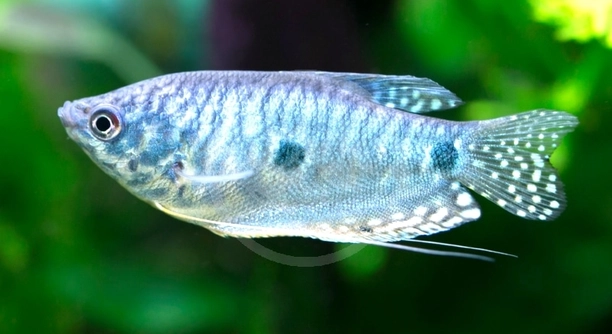
Bright lighting is a common feature in many home aquariums. Gourami fish are popular for their vibrant colors, but their sensitivity to light is often overlooked. Understanding how bright lights affect these fish is important for their well-being.
Gourami can become stressed or fatigued under excessively bright lighting. Prolonged exposure to strong light disrupts their natural behavior and may lead to health issues. Proper lighting levels should mimic their natural environment to reduce stress and maintain balance.
Adjusting aquarium lighting can improve your gourami’s comfort and health. Recognizing how light impacts their behavior helps create a better habitat for these peaceful fish.
How Bright Lights Affect Gourami Behavior
Bright lighting in an aquarium can cause noticeable changes in gourami behavior. These fish naturally prefer shaded, calm environments. Excessive light may lead to hiding, reduced activity, or erratic swimming. Bright light can overwhelm their senses, making it harder for them to feel secure. Over time, this stress can affect their appetite and immune system. Gourami use their vision to interact with their environment, so unnatural lighting disrupts their normal patterns. Aquarium owners often miss these subtle signs, which can lead to prolonged stress. Providing areas with dimmer light or adding plants helps gourami find shelter and reduces stress. This adjustment makes them more active and comfortable. Observing your fish closely can reveal if the lighting setup is too intense. Creating a balanced environment is essential to keeping gourami healthy and stress-free. Bright light, if not managed properly, will reduce their overall well-being.
Reducing aquarium brightness gradually helps gourami adapt without sudden changes.
A dimmer environment simulates their natural habitat better, encouraging natural behavior. Providing plants or decorations that cast shadows improves their comfort. Gourami feel safer with places to retreat when light is too intense. Avoiding constant bright exposure supports their health and longevity. This small change enhances their mood and activity levels. With proper lighting, gourami exhibit natural colors and behaviors, making them more enjoyable to observe.
Managing Aquarium Lighting for Gourami
Using adjustable lighting systems allows precise control over brightness levels.
Selecting lights with adjustable intensity or timers helps maintain a consistent day-night cycle. Daylight cycles influence gourami’s internal rhythms and stress levels. Too bright or too long exposure can disrupt these cycles. Timers ensure lights turn off, giving gourami periods of rest. Different types of lights, such as LED or fluorescent, offer varied brightness and heat output. Cooler lighting reduces additional stress on fish. Combining natural light periods with artificial lighting creates a balanced environment. Proper lighting management avoids overstimulation and supports healthy behavior patterns. Adjustments based on gourami responses improve aquarium conditions continuously. Regularly reviewing light settings keeps the environment stable and healthy. This approach helps prevent problems related to bright light stress and promotes better care of gourami fish.
Signs of Light-Induced Stress in Gourami
Gourami under bright light often display signs of stress such as rapid gill movement, erratic swimming, or hiding excessively. These behaviors indicate discomfort and the need for environmental adjustments. Stress can weaken their immune system if left unaddressed.
Prolonged exposure to intense light causes physiological stress in gourami. They may lose color vibrancy and show less interest in feeding. Stress can make them vulnerable to diseases like fin rot or ich. The fish might constantly seek shelter or show lethargy. Recognizing these signs early helps prevent health decline. It is important to balance light intensity to avoid triggering these symptoms. Adjusting light exposure gradually allows gourami to acclimate without sudden shocks.
Behavioral changes due to bright lighting impact gourami’s social interactions as well. They may become more aggressive or withdrawn from tank mates. Providing shaded areas or floating plants can reduce tension and support a healthier community. Monitoring their activity and appearance is crucial for timely intervention. Maintaining stable lighting supports their natural rhythms and overall well-being.
Adjusting Your Aquarium Setup
Choosing appropriate light fixtures is key to managing brightness levels. LED lights with dimming features offer flexibility and energy efficiency. Timers ensure consistent light cycles, reducing stress from irregular lighting.
Positioning decorations and plants strategically creates natural shadows, giving gourami places to retreat. Using floating plants or broad-leaf species helps diffuse light effectively. Adjust tank placement away from direct sunlight to prevent excessive brightness. Monitoring light duration and intensity regularly ensures conditions remain suitable. Frequent changes or overly bright setups can disrupt gourami behavior. Gradual adjustments allow fish to adapt comfortably. Customizing lighting based on observation improves their environment significantly. A thoughtful setup contributes to healthier, more active gourami that display vibrant colors.
Creating a Comfortable Light Environment
Providing gourami with shaded spots in the tank helps reduce stress caused by bright lighting. This mimics their natural habitat and encourages natural behavior.
Using plants, rocks, or decorations to break up light creates safe spaces. Gourami use these areas to rest and avoid overstimulation.
Choosing the Right Lighting
Selecting lighting that mimics natural daylight supports gourami health. Avoid harsh or overly bright bulbs. Soft, adjustable LED lighting is often best for maintaining a balanced environment.
Using Timers for Consistency
Timers help establish a consistent day-night cycle for gourami. Regular lighting patterns reduce stress and support their natural rhythms. This consistency promotes better overall health and behavior.
Monitoring Gourami Reactions
Observing how gourami respond to light changes is essential. Adjust settings based on their behavior and comfort to create the best habitat.
FAQ
Do gourami get tired from bright lights?
Yes, gourami can become stressed and fatigued when exposed to bright lighting for extended periods. Their natural environment typically features subdued light and shaded areas. Excessive brightness overwhelms their senses and can lead to behavioral changes such as hiding, erratic swimming, and reduced activity. This fatigue affects their overall health and well-being.
How can I tell if my gourami is stressed by the lighting?
Signs of stress from bright light include rapid gill movement, constant hiding, loss of color vibrancy, and a decrease in appetite. You may also notice your gourami swimming frantically or appearing lethargic. These are indicators that the lighting is too intense or poorly managed. Adjusting the aquarium’s lighting or adding shaded areas can help reduce this stress.
What type of lighting is best for gourami tanks?
Soft, adjustable LED lights that mimic natural daylight are best for gourami. These lights provide enough illumination without overwhelming the fish. It is important to avoid harsh or overly bright bulbs. LEDs also produce less heat, which helps maintain a stable water temperature, contributing to a healthier environment.
How long should the aquarium lights stay on each day?
A consistent 8 to 10-hour light cycle is ideal for gourami tanks. Using timers to regulate light periods helps maintain their natural day-night rhythm. This consistency reduces stress and promotes normal behavior. Avoid leaving lights on for extended periods, as continuous exposure to bright light can exhaust the fish.
Can plants help with bright lighting in gourami tanks?
Yes, live or artificial plants provide shaded areas for gourami to retreat from intense light. Plants create a more natural environment and help diffuse the brightness. Floating plants are particularly useful in reducing light penetration. They also contribute to water quality and add visual interest to the aquarium.
Should I turn off the lights at night?
Yes, turning off the lights at night is important. Gourami need darkness to rest and recover from daily activity. Consistent periods of darkness help regulate their biological clock. Using timers ensures lights turn off automatically, creating a stable routine that benefits the fish’s health.
What if my aquarium is near a window with direct sunlight?
Direct sunlight can cause intense lighting and temperature fluctuations, which stress gourami. If your tank is near a window, consider using blinds or curtains to reduce sunlight exposure. Alternatively, move the aquarium to a location with indirect natural light. Managing sunlight helps maintain stable lighting conditions.
Can bright lighting cause diseases in gourami?
Indirectly, yes. Stress caused by prolonged bright lighting weakens the immune system, making gourami more susceptible to infections like fin rot or ich. Reducing light stress and providing a balanced environment helps prevent these issues. Proper lighting is one aspect of overall good fish care.
How quickly should I change lighting if it is too bright?
Lighting changes should be made gradually to avoid shocking the fish. Sudden dimming or brightening can increase stress. Adjust the light intensity in small increments over several days. This allows gourami to adapt comfortably to the new lighting levels without causing additional problems.
Can gourami adapt to brighter lighting over time?
Gourami may tolerate moderate increases in light if changes are slow and the environment provides enough shaded areas. However, they generally prefer dimmer conditions. Providing places to hide and rest is essential to help them adjust. Continuous exposure to very bright light is not advisable.
Are there specific gourami species more sensitive to light?
Some gourami species, like the dwarf gourami, tend to be more sensitive to bright light compared to larger types. Their natural habitats often have dense vegetation and low light. Knowing your specific species’ preferences can help you tailor the lighting to suit their needs better.
Can I use a light diffuser to reduce brightness?
Yes, using a light diffuser or frosted glass over the aquarium light helps soften the intensity. This reduces glare and creates a more comfortable environment for gourami. Diffusers spread light evenly and prevent hotspots that may cause stress. They are a simple way to improve lighting conditions.
What role does tank size play in lighting effects?
Smaller tanks with bright lights can expose gourami to more intense lighting since the light is concentrated. Larger tanks may naturally diffuse light better, providing more shaded areas. Adjust lighting according to tank size and provide hiding spots regardless of aquarium dimensions.
How important is water clarity when considering lighting?
Clear water allows more light to penetrate, which can increase brightness. Maintaining good water quality ensures healthy fish but may require careful lighting adjustments. Cloudy water reduces light but can indicate poor conditions. Balancing light and water clarity is key for gourami comfort.
Are there alternatives to traditional aquarium lights for gourami?
Natural sunlight through filtered windows or low-intensity LED lights are good alternatives. Avoid fluorescent bulbs with high brightness and heat output. Some hobbyists use moonlight or twilight LEDs to simulate natural night conditions, helping maintain normal fish rhythms.
What other environmental factors affect gourami stress besides lighting?
Water temperature, tank mates, and water quality also play major roles in gourami stress levels. While managing lighting is important, these factors must be balanced together. A quiet environment with stable conditions reduces stress and supports healthy behavior.
How often should I monitor lighting and gourami behavior?
Daily observation is best to catch early signs of stress or discomfort. Regularly check light settings and adjust if needed. Consistent monitoring helps maintain an environment that supports gourami health and happiness. Small changes over time prevent major problems.
Final Thoughts
Bright lighting can affect gourami in several ways, mainly by causing stress and fatigue. These fish come from environments where light is often filtered through plants or murky water, so intense or constant brightness in an aquarium can overwhelm them. When gourami experience too much light, they may hide more often, show less activity, or display signs of discomfort. Providing an environment that mimics their natural habitat, with places to retreat from strong light, helps keep them calm and healthy.
Managing the lighting in a gourami tank is an important part of care. Soft, adjustable lights that simulate a natural day-night cycle are best. Using timers to regulate how long the lights stay on each day supports the fish’s biological rhythm. This balance prevents stress caused by either too much or too little light. It also helps the fish maintain regular activity and feeding habits. Additionally, introducing plants or decorations to break up light can provide comfort and a sense of security for gourami.
Paying attention to how gourami react to the lighting can guide adjustments for their well-being. Observing changes in behavior or physical signs helps identify if the light is too bright or poorly managed. Gradual changes to lighting levels allow gourami to adapt without added stress. Ensuring good water quality, proper tank mates, and stable environmental conditions alongside suitable lighting creates a healthy aquarium for gourami. This approach supports their long-term health and makes the tank more enjoyable to watch.

Hello,
If you enjoy the content that we create, please consider saying a "Thank You!" by leaving a tip.
Every little bit helps us continue crafting quality advice that supports the health, happiness, and well-being of pets around the world, for pets of all shapes, sizes, and species.
We really appreciate the kindness and support that you show us!