
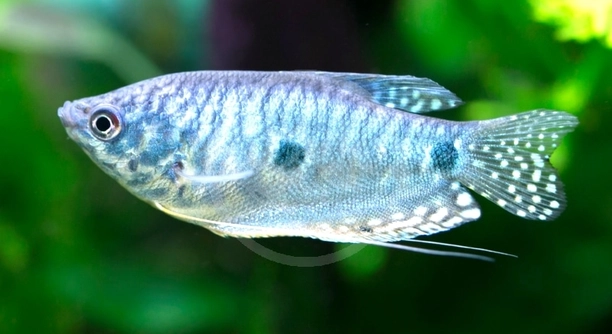
Gouramis are popular freshwater fish often kept in home aquariums. Sometimes, they can be seen hiding at the bottom of the tank. This behavior can catch the attention of many fish owners.
When gouramis hide at the bottom, it can indicate stress, illness, or poor water conditions. These fish prefer calm, comfortable environments, and retreating to the bottom often signals a need for care or adjustment in their habitat.
Recognizing why your gourami behaves this way can improve its health and well-being. The following information will help you understand the signs and solutions for this common behavior.
Why Gouramis Hide at the Bottom
Gouramis may stay at the bottom of the tank when they feel stressed or uncomfortable. Changes in water quality, temperature, or tank setup can cause this behavior. If the water has too much ammonia or nitrites, it affects their health and makes them hide. Sometimes, overcrowding or aggressive tank mates push gouramis to find a quiet spot at the bottom. Illness can also make them less active, leading them to rest more often in the lower areas. A poor diet or lack of hiding places may add to their discomfort. Observing these factors closely helps you spot problems early. Making small adjustments, like cleaning the tank regularly or providing plants and shelters, can encourage your gouramis to swim more freely. Keeping stable conditions is key to reducing hiding behavior and improving their overall mood and activity.
Watching for changes in behavior and environment can keep gouramis healthy and happy.
Noticing your gourami spending too much time at the bottom is a sign to check water parameters and tank conditions. A well-maintained aquarium with stable temperature and good filtration will help them feel safe. Adding gentle decorations or plants offers comfort and reduces stress. Sometimes, they just need time to adjust to a new home or companions. Regular feeding with a balanced diet also supports their energy and health. If hiding continues despite these efforts, consulting a vet can rule out disease or injury. Small changes in care often lead to big improvements in their behavior and well-being.
How to Improve Your Gourami’s Comfort
Keeping water clean and stable is one of the most important steps to help your gourami feel comfortable. Gouramis prefer calm waters with little current and temperatures between 75°F and 82°F. Using a reliable water test kit allows you to monitor ammonia, nitrite, and nitrate levels regularly. Changing 20-30% of the water weekly helps maintain balance. Avoid sudden changes in temperature or water chemistry, as these stress fish and make them hide. Providing plenty of hiding spots like plants and caves gives gouramis safe places to rest and escape. Overcrowding the tank can increase stress, so keep the fish population balanced. Feeding a varied diet including flakes, pellets, and occasional live or frozen food supports good health. By keeping these conditions steady, your gouramis are more likely to stay active and show their natural behavior.
Signs of Stress in Gouramis
Gouramis hiding at the bottom often show other signs of stress. These include clamped fins, loss of appetite, and sluggish swimming. Stress weakens their immune system, making them more prone to illness.
Stress in gouramis can result from poor water quality, sudden changes in temperature, or aggressive tank mates. You might notice them staying still for long periods or avoiding interaction. Sometimes they breathe faster or gasp at the surface. These signs are warnings to check their environment immediately. Stress affects behavior and health, so quick action can prevent serious problems. Regular tank maintenance and gentle handling help reduce stress levels in gouramis.
Feeding habits also change when gouramis are stressed. They may refuse food or eat less, which affects their energy. Providing a calm tank with hiding spots and stable conditions improves their comfort. Avoid overcrowding and ensure compatible tank mates to minimize stress triggers. Observing these signs helps you keep your gouramis healthy and active.
Common Health Issues Related to Hiding
When gouramis hide at the bottom, illness might be a factor. Common health problems include bacterial infections, parasites, and swim bladder disorders. These conditions reduce their energy and cause unusual behavior.
Bacterial infections often show as red streaks or sores on the body. Parasites might cause flashing, rubbing, or scratching against surfaces. Swim bladder problems affect buoyancy, making it hard for fish to swim properly. These issues can be caused by poor water quality or stress. Treatment usually involves medication and improving tank conditions.
Early detection is key to preventing serious illness. Quarantining new fish before adding them to the tank helps reduce the risk of spreading disease. Maintaining cleanliness, feeding balanced diets, and monitoring water parameters all support your gourami’s health. If symptoms persist, consulting a vet is recommended to ensure proper care and recovery.
Tank Environment and Gourami Behavior
The tank environment greatly influences gourami behavior. A poorly maintained or overcrowded tank often causes them to hide more.
Gouramis need plenty of plants and hiding spots to feel secure. Strong water currents or bright lighting can make them uncomfortable and push them to the bottom.
Adjusting Water Conditions for Better Health
Maintaining stable water conditions is essential. Gouramis thrive in slightly acidic to neutral pH (6.0-7.5) and temperatures between 75°F and 82°F. Sudden changes can cause stress and hiding behavior. Use a heater and filter to keep water stable. Regular water tests and partial changes improve water quality, reducing toxins and keeping fish healthy.
Feeding Tips for Gouramis
Feeding your gourami a balanced diet supports its health and activity. Offer varied food like flakes, pellets, and occasional live or frozen treats. Avoid overfeeding, which can pollute the tank and cause stress. Regular feeding routines help keep your gourami active and reduce hiding behavior.
FAQ
Why does my gourami stay at the bottom all day?
When a gourami stays at the bottom all day, it often means it feels stressed, sick, or uncomfortable. Poor water quality, sudden temperature changes, or aggressive tank mates can cause this behavior. It may also be tired or resting after eating. If this lasts too long, check water parameters and look for signs of illness.
Is it normal for gouramis to hide at the bottom sometimes?
Yes, it’s normal for gouramis to hide occasionally. They like quiet places to rest or feel safe, especially when they are new to a tank or if there’s too much activity around them. Providing plants and hiding spots helps them relax and reduces stress.
How do I know if my gourami is sick?
Look for signs like faded colors, clamped fins, loss of appetite, rapid breathing, or unusual swimming patterns. If your gourami hides at the bottom for long periods and shows these symptoms, it might be sick. Early treatment is important to prevent serious illness.
Can poor water quality make gouramis hide?
Absolutely. Poor water quality with high ammonia, nitrites, or nitrates stresses fish and can cause hiding. Regular water testing and cleaning help keep the tank safe. Changing 20-30% of the water weekly usually maintains good water quality for gouramis.
What temperature is best for gouramis?
Gouramis prefer temperatures between 75°F and 82°F. Water that’s too cold or too hot can stress them, leading to hiding and other health problems. Using a reliable aquarium heater helps keep the temperature stable.
How can I reduce stress for my gourami?
Keep water clean and stable, avoid overcrowding, and provide plenty of hiding spots like plants or decorations. Gentle tank mates and calm lighting also help. Try to feed them on a regular schedule with a balanced diet to maintain their energy.
Can a new tank cause my gourami to hide?
Yes, new tanks or changes in the tank setup often make gouramis hide as they adjust to the new environment. They need time to feel safe and settle in. Adding plants and shelters can make this transition easier.
Should I isolate a hiding gourami?
Only isolate if the fish shows signs of illness or if aggressive tank mates are stressing it. Otherwise, improving tank conditions and reducing stress is better. Isolation can add stress if not done carefully.
What foods are best for gouramis to stay healthy?
A mix of high-quality flakes, pellets, and occasional live or frozen foods like brine shrimp or bloodworms provides good nutrition. Avoid overfeeding to prevent water pollution and related stress.
How often should I change the water?
Changing about 20-30% of the water every week helps maintain clean, healthy conditions. Regular partial water changes prevent buildup of harmful chemicals that make gouramis hide and become sick.
Can hiding mean my gourami is preparing to breed?
Sometimes, gouramis hide to prepare nesting areas or avoid disturbance during breeding. Males often build bubble nests near the surface but may rest at the bottom when not actively tending the nest.
Is it okay if my gourami hides more during the day?
Gouramis are generally more active during daylight, but if they hide more often during the day, it might indicate stress or discomfort. Checking tank conditions and making improvements usually helps them become more active.
Will adding plants reduce hiding behavior?
Yes, plants provide shelter and reduce stress by giving gouramis places to hide safely. This encourages natural behavior and makes fish feel secure, reducing the need to hide at the bottom.
Can water changes cause hiding?
Sudden or large water changes can shock gouramis, causing them to hide. Always do gradual water changes and match temperature and pH closely to avoid stressing your fish.
How long does it take for gouramis to stop hiding in a new tank?
It usually takes a few days to a week for gouramis to adjust to a new tank. Providing hiding spots and stable water conditions helps speed up their comfort and reduces hiding behavior.
When gouramis hide at the bottom of the tank, it is usually a sign that something in their environment needs attention. These fish are sensitive to changes in water quality, temperature, and the presence of other tank mates. When they feel stressed or uncomfortable, hiding becomes their way to feel safe. Watching your gourami’s behavior closely can help you understand when something is wrong. Taking simple steps like testing the water regularly, keeping the tank clean, and maintaining a stable temperature can make a big difference. These actions help create a calm environment where your gourami can thrive and show its natural, active behavior.
It is important to remember that occasional hiding is normal for gouramis. They are naturally shy fish and sometimes prefer to rest in quiet places. Providing plenty of plants and hiding spots gives them comfort and security. However, if the hiding lasts for a long time or is combined with other signs like loss of appetite, faded colors, or sluggish movement, it is a sign that something might be wrong. Illness or poor water conditions could be causing stress or discomfort. In these cases, checking water parameters and looking for signs of disease early is crucial. Quick action can prevent more serious problems and keep your fish healthy.
Keeping gouramis healthy means giving them a stable and comfortable home. Feeding them a balanced diet, avoiding overcrowding, and using gentle tank mates helps reduce stress. Regular water changes and gentle handling also play important roles in their well-being. Every aquarium is different, so paying attention to your gourami’s unique behavior helps you meet its needs better. When your fish are comfortable, they will spend more time swimming around and less time hiding. This makes the tank more enjoyable for both you and your gourami. With patience and care, your gouramis will stay healthy and happy in their aquatic home.

Hello,
If you enjoy the content that we create, please consider saying a "Thank You!" by leaving a tip.
Every little bit helps us continue crafting quality advice that supports the health, happiness, and well-being of pets around the world, for pets of all shapes, sizes, and species.
We really appreciate the kindness and support that you show us!