
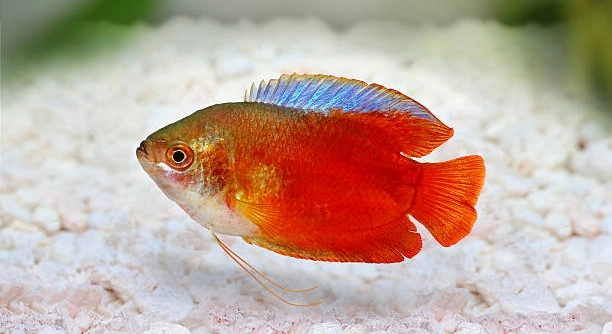
Gouramis are popular freshwater fish known for their calm nature and striking colors. Providing the right tank features is essential to keep them healthy and comfortable. Understanding their preferences helps create a suitable environment for these peaceful fish.
Gouramis prefer tanks with plenty of plants, calm water, adequate hiding spaces, and proper filtration. These elements reduce stress and mimic their natural habitat, supporting their well-being and encouraging natural behaviors within the aquarium.
Knowing the features gouramis favor allows aquarists to create an optimal environment that benefits their health and longevity. These insights are key to maintaining a thriving aquarium.
Plenty of Live Plants
Live plants provide gouramis with essential cover and security in their tank. These fish come from environments rich in vegetation, so having plenty of plants replicates their natural habitat. Plants also improve water quality by absorbing nitrates and offering oxygen. Gouramis often use broad leaves to rest near the surface, so adding floating or tall plants is beneficial. The greenery helps reduce stress by giving them places to hide and explore, promoting natural behaviors. Including species like Java fern, Anubias, and hornwort creates a balanced and healthy environment for gouramis.
In addition, plants contribute to the tank’s aesthetic appeal, making the aquarium more visually pleasing for the owner. Their presence also supports other beneficial microorganisms.
A well-planted tank creates a calm setting that suits gouramis perfectly. They feel secure, which improves their overall health. The plants also help maintain water quality, reducing the need for frequent cleaning. For gouramis, plants are not just decoration but a vital tank feature that supports their needs daily.
Calm and Slow Water Flow
Gouramis thrive in environments with calm water. Fast currents cause stress and fatigue, disrupting their natural swimming patterns. They come from slow-moving streams and ponds, so a gentle flow mimics their typical surroundings. Tank filters should have adjustable flow rates or use sponge filters to avoid strong water movement. Maintaining slow water flow helps gouramis stay relaxed and active. It also prevents injury and allows them to feed more easily near the surface or among plants. Providing calm water creates a more natural and comfortable habitat that suits their behavior and physical needs. Controlling water flow is essential for their well-being and contributes to a stable tank environment.
Adequate Hiding Spots and Shelters
Gouramis benefit from having hiding spots within the aquarium. These shelters offer protection from perceived threats and reduce stress levels. Including caves, driftwood, or dense plant clusters helps them feel safe. Hiding places allow gouramis to rest and retreat when needed, especially if tank mates become too active. Different sized hiding spots are important, as they accommodate various gourami species and their growth. Creating a tank with multiple retreats supports their natural instincts and encourages a sense of security. When gouramis have access to shelters, their behavior improves, and signs of stress lessen.
Providing diverse hiding spots also enhances the tank’s complexity and makes it more engaging to observe. These areas encourage natural exploration and territorial behavior. Shelters play a key role in preventing aggression, especially in community tanks. Gouramis that feel secure are less likely to become aggressive or shy. Overall, proper hiding places are a critical feature that supports gouramis’ physical and psychological health.
Proper Filtration and Water Quality
Filtration is vital to maintain clean water, which is crucial for gouramis’ health. They are sensitive to toxins and waste buildup, so efficient filtration reduces harmful substances. Filters that provide biological, mechanical, and chemical filtration ensure stable water conditions. Regular water changes combined with good filtration keep ammonia and nitrate levels low. Maintaining water quality prevents diseases and promotes longevity. Choosing a filter that does not create strong currents is important to keep gouramis comfortable. Proper filtration supports a balanced ecosystem and a healthy environment for gouramis to thrive in.
Appropriate Tank Size
Gouramis need enough space to swim freely and establish territories. A tank that is too small can cause stress and aggression. A minimum of 20 gallons is recommended for most gourami species to ensure comfort and proper development.
Providing ample room allows gouramis to display natural behaviors and reduces conflict among tank mates. Crowded tanks often lead to poor water quality and increased stress, which can affect their health. Larger tanks also offer more space for plants and decorations, enhancing the environment.
With enough space, gouramis swim actively and interact naturally with their surroundings. This improves their overall well-being and longevity. A properly sized tank supports their physical health and creates a balanced habitat where they can thrive without feeling confined.
Consistent Water Temperature
Maintaining a stable water temperature is essential for gouramis’ health. They thrive best in temperatures between 75 and 82 degrees Fahrenheit. Sudden fluctuations can weaken their immune system and cause stress.
Temperature control supports metabolic functions and encourages healthy behavior. Using a reliable heater with a thermostat ensures the water stays within the optimal range. Regular checks help prevent dangerous drops or spikes that could harm the fish.
Stable temperature reduces disease risks and promotes active swimming and feeding. Gouramis become less vulnerable to infections and live longer in well-regulated conditions. Consistent warmth mimics their natural habitat and supports their overall vitality.
Soft and Slightly Acidic Water
Gouramis prefer soft water with low hardness. Water that is too hard can cause stress and affect their health. Maintaining a pH between 6.0 and 7.5 supports their natural living conditions.
Slightly acidic water helps gouramis thrive by supporting their skin and gill health. Regular testing and adjustments keep the water chemistry stable, creating a comfortable environment.
Gentle Lighting
Bright, harsh lighting can stress gouramis. Soft, diffused light mimics their natural habitat and encourages calm behavior. Adjustable lighting helps maintain a day-night cycle that supports their wellbeing.
Proper lighting also benefits live plants in the tank, contributing to water quality and shelter for gouramis. Avoid direct, intense light to keep them relaxed.
Surface Access
Gouramis breathe atmospheric air and need easy access to the water surface. Open areas without dense floating plants ensure they can gulp air without difficulty.
Maintaining clear surface access prevents respiratory problems and supports their unique breathing method, improving overall health. This simple feature is vital for their survival.
FAQ
What size tank is best for gouramis?
A minimum of 20 gallons is ideal for most gourami species. This size gives them enough space to swim comfortably and reduces stress. Larger tanks also allow for plants, hiding spots, and proper territory for each fish. Crowded tanks can lead to aggression and poor water quality, so providing ample space is important.
How often should I clean the gourami tank?
Regular water changes every one to two weeks are recommended. Cleaning about 20-30% of the water helps keep nitrate levels low and removes waste buildup. Avoid completely draining the tank to protect beneficial bacteria. Routine gravel vacuuming and filter maintenance keep the environment healthy for gouramis.
What water parameters do gouramis prefer?
Gouramis thrive in soft to moderately hard water, with a pH between 6.0 and 7.5. The temperature should be stable, ideally between 75°F and 82°F. Keeping these parameters steady is crucial because sudden changes can cause stress or illness.
Do gouramis need live plants in their tank?
Yes, live plants are highly beneficial. They offer hiding places and improve water quality by absorbing nitrates. Plants like Java fern and Anubias are good choices. Floating plants provide cover and resting spots near the surface, which gouramis appreciate.
Can gouramis live with other fish?
Gouramis can live with peaceful species that tolerate similar water conditions. Avoid aggressive or very active fish, as they can stress gouramis. Ideal tank mates include tetras, rasboras, and some catfish. Always monitor behavior to prevent conflicts.
What do gouramis eat?
Gouramis are omnivores and enjoy a varied diet. High-quality flakes or pellets supplemented with live or frozen foods like brine shrimp or bloodworms provide balanced nutrition. Feeding small amounts two to three times daily helps maintain health without overfeeding.
How important is hiding space for gouramis?
Hiding spaces are essential. Gouramis use them to feel secure and reduce stress. Caves, driftwood, and dense plants create suitable shelters. Multiple hiding spots accommodate different fish and encourage natural behaviors like resting and exploring.
What type of filter is best for a gourami tank?
Filters that provide gentle water flow, such as sponge or canister filters with adjustable output, are best. Gouramis prefer calm water, so strong currents can cause stress. The filter should support biological, mechanical, and chemical filtration to maintain water quality.
Why do gouramis need access to the water surface?
Gouramis are labyrinth fish, meaning they breathe atmospheric air in addition to using their gills. Open surface areas without dense floating plants allow them to gulp air easily, preventing respiratory problems and supporting their unique breathing system.
How do I prevent aggression in gourami tanks?
Provide enough space, hiding spots, and compatible tank mates to reduce stress and territorial behavior. Avoid overcrowding and keep water quality high. Monitor interactions closely and separate any aggressive individuals if necessary. Creating a balanced environment helps maintain peaceful behavior.
Can gouramis tolerate changes in water temperature?
Gouramis are sensitive to sudden temperature changes. Keeping water temperature stable within their preferred range prevents stress and illness. Use a reliable heater and check the temperature regularly to avoid fluctuations.
Is feeding live food necessary for gouramis?
While not strictly necessary, live or frozen foods enhance nutrition and stimulate natural hunting behavior. Including them in the diet occasionally promotes health and variety, complementing staple flakes or pellets.
How do I know if my gourami is stressed?
Signs include hiding excessively, loss of appetite, rapid breathing, and faded colors. Stress often results from poor water quality, aggressive tank mates, or inadequate tank conditions. Addressing these issues quickly helps prevent disease.
Can gouramis live in hard water?
Gouramis prefer soft to moderately hard water. Hard water may cause stress and health problems over time. Regular testing and adjustments help maintain proper hardness levels suitable for gouramis.
How long do gouramis typically live?
With proper care, gouramis live between 4 to 6 years. Good water quality, appropriate diet, and suitable tank conditions contribute to their lifespan. Regular maintenance and monitoring health are essential for longevity.
Final Thoughts
Providing the right environment is essential for keeping gouramis healthy and comfortable in an aquarium. Key tank features such as sufficient space, stable water temperature, and appropriate water chemistry all contribute to their wellbeing. Gouramis are sensitive to changes, so maintaining consistent conditions reduces stress and supports their natural behavior. Ensuring the tank has gentle lighting and easy surface access also helps meet their unique needs. These features are not difficult to manage but require attention and regular care.
In addition to the physical environment, tank decorations like live plants and hiding spots play an important role. Gouramis use these spaces to rest, hide, and feel secure. Live plants also improve water quality by absorbing waste products, which benefits all fish in the tank. Hiding places reduce aggression and provide a safe retreat when needed. Including these elements creates a balanced habitat that helps gouramis thrive and display their natural behaviors more fully.
Consistent maintenance is equally important. Regular water changes, filter cleaning, and monitoring of water parameters keep the tank healthy over time. Neglecting these tasks can lead to poor water quality, which causes stress and illness in gouramis. Paying close attention to their environment and behavior helps detect potential problems early. Overall, a well-maintained tank with the right features ensures gouramis live longer, healthier lives while providing a pleasant experience for aquarium keepers.

Hello,
If you enjoy the content that we create, please consider saying a "Thank You!" by leaving a tip.
Every little bit helps us continue crafting quality advice that supports the health, happiness, and well-being of pets around the world, for pets of all shapes, sizes, and species.
We really appreciate the kindness and support that you show us!