
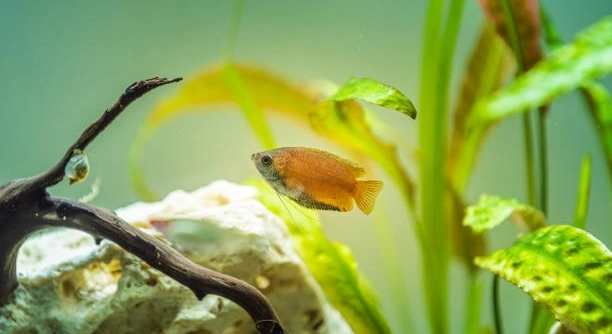
Gouramis are known for their unique flaring behavior, which can be both fascinating and concerning for fishkeepers. These episodes often happen suddenly and can indicate various triggers in their environment. Understanding these triggers can improve how you care for your gouramis.
Gourami flaring episodes are primarily triggered by territorial disputes, environmental stressors, poor water quality, presence of other fish, changes in lighting, diet, and breeding behaviors. Identifying and managing these factors helps maintain a healthy and balanced aquarium.
Recognizing these causes will help you create a better habitat for your gouramis and reduce stressful moments in your aquarium.
Territorial Disputes Among Gouramis
Gouramis are naturally territorial fish, especially males. When they feel their space is being invaded, they flare their fins to look bigger and warn others to stay away. This behavior helps them defend their area but can lead to stress if the tank is too small or overcrowded. It’s important to provide enough hiding spots and space for each gourami to reduce tension. Sometimes, the presence of another aggressive fish nearby can also trigger flaring episodes. Keeping gouramis in groups with a proper male-to-female ratio often helps limit these disputes. Observing their interactions closely can tell you when boundaries are being crossed. Adjusting tank layout or population can ease their stress and prevent constant flaring, which can weaken their health over time.
Controlling tank size and population is key to limiting territorial flare-ups in gouramis.
Giving gouramis enough space and places to hide creates a calmer environment. When each fish has its own territory, they are less likely to feel threatened or stressed. Adding plants, rocks, or decorations that break the line of sight between gouramis can reduce aggressive posturing. This also allows shy fish to retreat and feel safe. Sometimes rearranging the tank setup can reset territories and ease tension among fish. Remember, a peaceful tank leads to healthier gouramis and fewer flare episodes.
Environmental Stress and Water Quality
Poor water conditions often lead to stress in gouramis, triggering flaring behavior. Gouramis prefer clean, well-filtered water with stable temperature and pH levels. Sudden changes like fluctuations in temperature, ammonia spikes, or dirty water can cause discomfort. These stressors make gouramis feel unsafe, leading them to flare as a defense mechanism. Regular water testing and maintenance are necessary to keep the tank environment stable. Using a reliable filter and performing partial water changes weekly helps maintain good water quality. Also, avoid overcrowding, as it increases waste and stresses the fish. Paying attention to water parameters and keeping them within recommended ranges will reduce stress-related flaring.
Stable water conditions are essential for peaceful gouramis.
Stress from poor water quality causes frequent flaring and health problems. By monitoring ammonia, nitrite, and nitrate levels, and keeping temperature steady, you ensure gouramis feel secure. Clean water supports their immune system and overall well-being. This reduces aggressive displays caused by discomfort or fear. Proper care includes using water conditioners, controlling feeding amounts, and removing uneaten food to prevent water pollution. The calmer your gouramis feel, the less they will flare. Ensuring a balanced environment helps gouramis thrive and keeps your aquarium peaceful.
Presence of Other Fish
Gouramis flare more often when other fish are nearby, especially if those fish are similar in size or shape. This is a way to assert dominance or protect territory from perceived threats.
Some fish species provoke gouramis because they compete for space or resources. Aggressive or fast-moving fish can stress gouramis, causing frequent flaring. Even peaceful fish can trigger this behavior if gouramis feel crowded. When introducing new tank mates, choose species that won’t intimidate or provoke your gouramis. A well-planned community tank reduces unnecessary flare-ups and helps gouramis stay calm. Observing interactions early on helps prevent conflicts. Adjusting tank layout or separating aggressive fish can create a more harmonious environment.
Gouramis may also flare to communicate or establish hierarchy within their own group. Sometimes, this behavior is more about social interaction than aggression. Watching how they behave in different group sizes helps you understand when flaring is normal or excessive. This insight allows better management of tank mates and their environment.
Changes in Lighting
Sudden changes in lighting can cause stress in gouramis, triggering flaring. Bright lights or abrupt shifts from dark to light make them feel vulnerable, increasing defensive behaviors.
Gradual adjustments to lighting help gouramis adapt without stress. Using dimmers or shaded areas in the tank provides places to retreat when lights are strong. Avoid direct sunlight or intense artificial lights. Maintaining a consistent light schedule mimics natural day and night cycles, which keeps gouramis calm. Flickering or unstable lighting can cause confusion and increase flare episodes. A stable environment supports their health and reduces stress-related displays. Monitoring how your gouramis respond to lighting helps you find the best setup for their comfort. Proper lighting management creates a peaceful atmosphere for all fish.
Diet and Feeding Habits
Improper diet can cause gouramis to flare more often. Overfeeding or feeding poor-quality food stresses their system.
Balanced nutrition supports their health and reduces aggressive behaviors. Feeding small amounts multiple times daily helps prevent competition and flare-ups.
Breeding Behavior
During breeding, gouramis flare as part of courtship and territorial defense. Males especially become more aggressive to protect their nest area.
Breeding flaring is natural but can lead to increased stress if space is limited. Providing separate breeding tanks or hiding spots helps manage this behavior.
Stress from Tank Changes
Sudden changes in the tank, such as rearranging decorations or adding new fish, can cause gouramis to flare. They need time to adjust to new surroundings.
Minimizing abrupt changes and introducing new elements slowly helps reduce stress-induced flaring. A calm, stable environment encourages peaceful behavior.
FAQ
Why do gouramis flare their fins?
Gouramis flare their fins mainly to show dominance or defend their territory. It’s a natural behavior that signals other fish to back off. Sometimes, flaring is a reaction to stress or a way to communicate with other gouramis in the tank. While it can look aggressive, it’s often just a display of confidence or alertness.
Is flaring harmful to gouramis?
Flaring itself is not harmful if it happens occasionally. However, constant flaring can cause stress and tire the fish, leading to weakened immune systems. If you notice frequent flaring, it’s a sign that something in the environment might be bothering your gouramis, such as overcrowding, poor water quality, or aggressive tank mates.
How can I reduce gourami flaring in my aquarium?
To reduce flaring, ensure your tank is large enough with plenty of hiding spots. Keep water clean and stable by performing regular maintenance. Avoid overcrowding and choose peaceful tank mates. Also, maintain a stable light cycle and avoid sudden changes in the tank setup. These steps help create a calm environment where gouramis feel safe.
Can gouramis flare without other fish around?
Yes, gouramis may flare even when alone, especially if they see their own reflection on the tank glass or decorations. This can confuse them into thinking another gourami is nearby, triggering territorial behavior. Using a background on the tank or adjusting lighting to reduce reflections can help minimize this.
Do all gourami species flare the same way?
Most gourami species flare in similar ways by spreading their fins and puffing up their bodies. However, the frequency and intensity can vary between species and individual fish. Some gouramis are more aggressive or territorial than others, so their flaring behavior may be more pronounced.
Is flaring related to breeding?
Yes, flaring often increases during breeding. Male gouramis use flaring to attract females and defend their nest area. This behavior is natural but can cause more tension in the tank, especially if space is limited. Providing a separate breeding tank or plenty of hiding places can help manage this.
Can I stop my gouramis from flaring completely?
It’s impossible and not advisable to stop flaring completely because it is part of their natural behavior. Instead, the goal is to reduce unnecessary or excessive flaring by managing their environment. A balanced tank setup and good care will help your gouramis flare only when appropriate.
What tank size is best to minimize flaring?
A minimum of 20 gallons is recommended for a pair of gouramis, but larger tanks are better for reducing territorial disputes. More space means less chance of fish feeling threatened. Always match tank size with the number of gouramis and other fish to avoid overcrowding.
How do tank mates affect flaring behavior?
Aggressive or similar-sized fish can provoke gouramis to flare more often as they compete for territory or resources. Peaceful, smaller fish are less likely to cause flare-ups. Choosing compatible species helps keep the aquarium environment calm and reduces stress-related flaring.
What should I do if my gouramis flare constantly?
If constant flaring occurs, check water quality, tank size, and tank mates first. Make sure the water parameters are stable and that the tank isn’t overcrowded. Provide hiding spots and rearrange decorations if needed. If aggressive fish are present, consider separating them. Reducing stressors will help calm your gouramis.
Final Thoughts
Gouramis use flaring as a natural way to communicate and protect themselves. It is a common behavior that helps them show strength or defend their space. While it may seem aggressive or worrying, flaring is often just a sign that the fish is feeling alert or stressed. Knowing why gouramis flare helps fishkeepers create a better environment that meets their needs and reduces unnecessary stress.
It is important to remember that many factors can cause gouramis to flare. These include territorial disputes, changes in the tank environment, poor water quality, diet, and the presence of other fish. Each of these triggers affects gouramis differently, and understanding them makes it easier to care for your fish properly. Providing a spacious tank, clean water, gentle lighting, and compatible tank mates are simple steps that improve the overall health and happiness of your gouramis.
Taking time to observe your gouramis closely will also help you notice patterns in their behavior. If flaring happens often or becomes intense, it may mean that something in their environment needs adjustment. Small changes like rearranging decorations, reducing overcrowding, or improving water quality can make a big difference. Keeping gouramis comfortable and stress-free supports their natural behavior without causing harm. By paying attention and making thoughtful changes, you help ensure your gouramis live a peaceful and healthy life.

Hello,
If you enjoy the content that we create, please consider saying a "Thank You!" by leaving a tip.
Every little bit helps us continue crafting quality advice that supports the health, happiness, and well-being of pets around the world, for pets of all shapes, sizes, and species.
We really appreciate the kindness and support that you show us!