
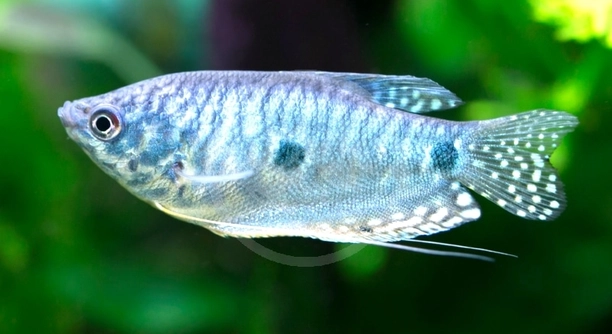
Are your gourami fish thriving in their tank environment? Many fishkeepers wonder about the role of water chemistry in keeping gouramis healthy. Understanding this topic can help maintain a balanced and safe habitat for these colorful pets.
Gouramis are indeed sensitive to water chemistry, requiring stable pH levels, appropriate hardness, and clean conditions to flourish. Changes in water parameters can stress them, affecting their health and behavior negatively. Proper water management is essential.
Knowing how water chemistry impacts gouramis can improve their well-being and prevent common health issues in your aquarium. This guide will help you create the best conditions for your fish to thrive.
Understanding Gourami Water Preferences
Gouramis prefer slightly acidic to neutral water, usually with a pH between 6.0 and 7.5. They thrive best when the water hardness is moderate, around 4 to 15 dGH. Too hard or too soft water can cause stress, affecting their immune system and behavior. Temperature is also important; gouramis like warm water between 75°F and 82°F (24°C to 28°C). Sudden changes in any of these factors can shock them. Many gourami keepers notice that when water chemistry is off, fish become less active or lose their appetite. Maintaining stable water conditions by regularly testing and adjusting the tank environment is key. Using a reliable water conditioner can also help remove harmful substances like chlorine or heavy metals. When water parameters are kept steady, gouramis tend to show brighter colors and more natural behavior. Regular water changes and proper filtration contribute to a healthy habitat that supports their overall well-being.
Keeping water quality consistent supports gouramis’ health and longevity.
Water chemistry isn’t just about numbers—it directly affects your gouramis’ comfort and stress levels. By monitoring pH, hardness, and temperature carefully, you reduce illness risks and encourage vibrant, active fish. Taking time to understand these needs will make your aquarium a happier home for your gouramis. Adjusting conditions gradually rather than all at once also prevents shock. This approach helps keep your fish stable and thriving over time. Your efforts in water care will show in their appearance and behavior every day.
Signs of Water Chemistry Stress in Gouramis
When gouramis face water chemistry issues, they often show visible signs quickly. These may include faded colors, clamped fins, or gasping at the water surface. Some may hide more than usual or swim erratically. Changes in water parameters can weaken their immune system, making infections more common. Watch for unusual spots or white patches that might signal disease triggered by poor water conditions. Stress caused by poor water quality may also reduce their appetite or cause lethargy. These signs usually appear before serious health problems develop, giving you a chance to act. Identifying stress early can prevent bigger problems and keep your gouramis healthier for longer.
It’s important to observe your fish daily for any behavior or appearance changes.
To prevent stress, maintaining regular water testing routines is essential. Using test kits to check pH, ammonia, nitrite, and nitrate levels helps detect issues before they worsen. Ensuring the water is free from toxins, such as chlorine and heavy metals, also protects gouramis. Avoid rapid changes in water chemistry by making gradual adjustments during water changes or treatments. Keeping your tank clean and properly filtered supports stable water conditions. A stable environment reduces stress and supports the immune system, helping gouramis fight off diseases. By paying close attention to their behavior and water quality, you’ll create a safe and comfortable home for your gouramis that encourages growth and bright colors.
Common Water Chemistry Parameters Affecting Gouramis
The most important water parameters for gouramis include pH, hardness, ammonia, nitrites, and nitrates. Each affects their health differently and must be monitored regularly to keep the fish comfortable and safe.
pH affects how acidic or alkaline the water is. Gouramis prefer a stable pH between 6.0 and 7.5. Fluctuations outside this range can cause stress and damage their gills. Water hardness measures dissolved minerals like calcium and magnesium. Moderate hardness helps maintain balance in their bodies and supports good health. Too soft or too hard water can lead to stress and health problems.
Ammonia and nitrites are toxic to fish even at low levels. These come from fish waste and uneaten food breaking down. Regular testing and water changes keep these chemicals low, protecting gouramis from poisoning. Nitrates are less harmful but should still be controlled below 20 ppm to avoid long-term stress.
How to Maintain Ideal Water Chemistry for Gouramis
Keeping gourami water chemistry stable requires regular testing and maintenance. Test your water at least once a week to catch any changes early. Using a reliable aquarium test kit helps monitor pH, hardness, ammonia, nitrites, and nitrates accurately. Make partial water changes of 20-30% weekly to remove toxins and refresh the environment without shocking the fish.
Adjust pH gradually using commercial buffers if needed, but avoid sudden shifts that can harm gouramis. To control hardness, mix tap water with purified or distilled water if your tap water is too hard. Using a quality water conditioner neutralizes chlorine and heavy metals, which are harmful to fish. Proper filtration and avoiding overfeeding also help maintain water quality. Keeping a stable, clean environment supports gouramis’ health and bright coloration over time.
Effects of pH Fluctuations on Gouramis
Sudden changes in pH can cause stress and weaken gouramis’ immune systems. This makes them more prone to illness and reduces their overall activity.
Maintaining a stable pH is crucial. Frequent testing and slow adjustments help avoid shocking your fish and keep them healthy.
Water Hardness and Its Impact
Water hardness influences gouramis’ ability to regulate bodily functions. Soft water can make them more sensitive to toxins, while very hard water can cause stress.
Balancing hardness to a moderate level supports natural behavior and helps maintain their vibrant colors over time.
Monitoring Ammonia, Nitrite, and Nitrate Levels
Ammonia and nitrite are highly toxic and should always be kept at zero. Even small amounts can harm gouramis quickly. Nitrates are less dangerous but should stay under 20 ppm to avoid stress and long-term health issues.
Regular water testing and timely water changes are essential to keep these chemicals at safe levels.
Importance of Consistent Water Temperature
Gouramis thrive in warm water between 75°F and 82°F. Temperature swings can cause stress and increase susceptibility to disease.
Using a heater and thermometer ensures the temperature stays steady, promoting a comfortable environment for your fish.
FAQ
How often should I test the water chemistry for my gouramis?
Testing water weekly is ideal to catch any changes early. Frequent checks allow you to adjust parameters before they harm your fish. If your tank is new or has experienced problems, test more often. Keeping track of pH, hardness, ammonia, nitrites, and nitrates helps maintain a stable environment.
What is the best pH level for gouramis?
Gouramis do best in water with a pH between 6.0 and 7.5. Staying within this range keeps them comfortable and healthy. Avoid sudden changes, as fluctuations can stress the fish and damage their gills over time.
Can gouramis tolerate hard water?
Gouramis prefer moderately hard water, roughly between 4 to 15 dGH. Very hard water can cause stress and affect their overall health. If your tap water is hard, mixing it with purified water or using water softening methods helps achieve a better balance.
What happens if ammonia or nitrite levels rise in the tank?
Even small amounts of ammonia or nitrites are dangerous for gouramis. These chemicals can burn their gills, making it hard to breathe. High levels cause stress and weaken their immune systems. Regular water changes and a good filtration system help keep these toxins at zero.
How can I lower nitrate levels in my aquarium?
Nitrates build up from fish waste and uneaten food. While less harmful than ammonia or nitrites, they should stay below 20 ppm to avoid stressing gouramis. Frequent partial water changes and avoiding overfeeding are the best ways to control nitrate buildup.
Does water temperature affect gourami health?
Yes, gouramis need stable temperatures between 75°F and 82°F. Sudden drops or spikes cause stress, weakening their immune system. Using a heater with a thermometer helps keep the temperature consistent and comfortable for your fish.
Are gouramis sensitive to chlorine and heavy metals in tap water?
Absolutely. Chlorine and heavy metals can harm gouramis’ skin and gills. Always treat tap water with a quality water conditioner before adding it to the tank. This step prevents toxic exposure and keeps your fish safe.
How quickly can I change water parameters if needed?
Changes should be gradual. Sudden shifts in pH, hardness, or temperature can shock gouramis and cause stress or illness. Aim to adjust parameters slowly over several days, testing frequently to ensure stability.
Can poor water chemistry cause disease in gouramis?
Yes, poor water quality weakens their immune systems, making them more vulnerable to infections like fin rot or ich. Keeping water clean and stable is the best defense against illness.
Is it okay to use water from a well or natural source for gouramis?
Water from wells or natural sources can contain unknown chemicals or minerals harmful to gouramis. Always test such water thoroughly and treat it as you would tap water before using it in your aquarium.
Maintaining good water chemistry is one of the most important things you can do to keep gouramis healthy and happy. These fish are sensitive to changes in their environment, especially in pH, hardness, and temperature. Keeping these factors stable helps reduce stress, which in turn supports their immune system and natural behavior. Regular water testing and careful adjustments are necessary to provide a comfortable home for gouramis. When the water conditions are right, gouramis will show brighter colors and be more active, which makes caring for them much more rewarding.
Water quality depends on several factors, including proper filtration, regular water changes, and controlling waste in the tank. Ammonia, nitrites, and nitrates must be kept at safe levels to avoid poisoning your fish. Using a reliable water conditioner to remove chlorine and heavy metals from tap water is also essential. Overfeeding or overcrowding can quickly affect water quality, so managing the number of fish and feeding habits is just as important. By paying attention to these details, you create a healthy and balanced environment that supports your gouramis’ long-term well-being.
It’s easy to overlook the impact of water chemistry, but it truly makes a difference in your fish’s life. Taking the time to monitor and adjust your aquarium’s water conditions helps prevent many common health issues. With steady care and attention, your gouramis can thrive and live comfortably in their tank. Keeping their environment stable isn’t just good for the fish — it also makes your experience as a fishkeeper more enjoyable and less stressful. Consistent water care is the key to happy and healthy gouramis.

Hello,
If you enjoy the content that we create, please consider saying a "Thank You!" by leaving a tip.
Every little bit helps us continue crafting quality advice that supports the health, happiness, and well-being of pets around the world, for pets of all shapes, sizes, and species.
We really appreciate the kindness and support that you show us!