
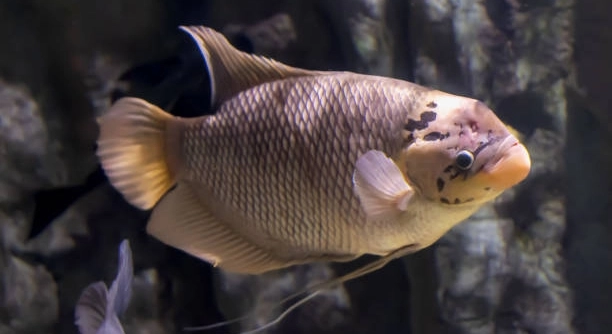
Do your gouramis often end up lip-locked, leaving you unsure if they’re fighting, flirting, or just being plain weird?
Gourami lip-locking is most often triggered by territorial disputes, mating behavior, mirror reflections, stress, poor tank layout, overcrowding, and a lack of hiding spaces. These triggers can cause dominance displays or confusion among tank mates.
Learning the root causes can help you create a more peaceful tank environment and support healthier interactions between your fish.
Territorial Disputes
Gouramis are known for being territorial, especially when kept in a small or overcrowded tank. Males in particular can get aggressive if they feel their space is being invaded. Lip-locking in this case is a way of pushing each other around without immediately causing serious harm. It usually happens when two males are trying to claim the same territory or when a new fish is added to the tank. This kind of behavior can be stressful, especially if one fish is clearly more dominant. Providing enough room, plants, and hiding spots can help reduce this tension. If fish feel like they have their own space, they are less likely to compete. Separating aggressive individuals might be necessary in some cases. Watching their behavior closely can help you figure out if it’s about space or something else. Rearranging the tank can also reset territorial boundaries.
Lip-locking from territorial stress usually happens during feeding or after tank changes.
Sometimes it helps to temporarily place a divider in the tank, especially if aggression doesn’t settle down after a few days. Removing visual contact between competing gouramis can reduce the intensity of their behavior. Gradually reintroducing them with added plants and decorations may also help them coexist more peacefully.
Mating Behavior
Lip-locking is also part of gourami courtship and breeding behavior.
During mating, male gouramis display a mix of aggression and attraction. Lip-locking can happen between males fighting for a female’s attention or even between a male and female as part of a dominance check. While it may look aggressive, this behavior doesn’t always mean danger. It can be brief and stop as soon as pairing is established. If you see two fish locking lips but not causing injury, it could be linked to the start of breeding behavior. However, it’s important to ensure that one fish isn’t getting constantly harassed or chased, especially if it’s a female being pursued too often. Make sure there’s plenty of shelter for her to hide in. Also, note that some species become extra territorial during breeding, so separate breeding tanks are sometimes used. If breeding is not your goal, reducing factors like high temperatures and long light exposure can help calm them.
Mirror Reflections
Gouramis sometimes react to their own reflection, mistaking it for a rival. This often leads to lip-locking behavior, especially in tanks with mirrored surfaces or very clean glass. It can be confusing and stressful for the fish.
When a gourami sees its reflection, it might assume another fish is challenging its territory. Lip-locking against the glass can follow, especially if the fish is already on edge. This behavior is more common in males, particularly those that are already territorial. To prevent this, check for reflective surfaces in or around the tank. You can reduce glare by adjusting the lighting or adding background decorations that soften reflections. If a fish is regularly interacting with its reflection, it’s a sign of stress. Long-term exposure to this kind of visual confusion can increase aggression and reduce their overall well-being. Keep an eye on tank placement and surrounding light to manage this issue.
Sometimes a mirror outside the tank can even trigger lip-locking intentionally, used by some keepers to “exercise” their fish. This is not recommended often.
Stress from a constant reflection may increase other unwanted behaviors, including loss of appetite and color fading. If your gourami is displaying these signs along with lip-locking, consider modifying its environment. A tank background, floating plants, or tinted sides can help reduce visual stress significantly.
Stress and Sudden Change
Sudden changes in water temperature, lighting, or tankmates can trigger stress-related lip-locking. Gouramis may become defensive or confused when their environment shifts too quickly. This often leads to short bursts of aggressive behavior between tank mates.
Stress also builds when there’s too much human activity around the tank or loud noises nearby.
Poor Tank Layout
A tank with too few hiding spots or too much open space can make gouramis feel exposed and uneasy. This increases the chance of them confronting each other, often through lip-locking. A poorly structured environment leaves them with no clear territories or escape routes, which creates unnecessary tension. To fix this, include more live or artificial plants, caves, or driftwood. These help divide space and give fish a sense of safety. Gouramis like gentle areas to rest and hide. When the layout supports their natural behavior, aggressive episodes usually decrease. Rearranging the décor from time to time can also help break established patterns of dominance.
Overcrowding
Too many fish in one tank makes it harder for gouramis to avoid conflict. When space is limited, lip-locking becomes a common way to establish rank.
FAQ
Why do gouramis lock lips but don’t seem to hurt each other?
Gouramis often lock lips as a way to show dominance without causing serious injury. It’s a form of ritualized fighting, where the goal is to establish who is in charge rather than to harm. Their lips are soft and designed for this kind of contact, so it usually doesn’t lead to wounds. The lip-locking helps avoid more aggressive fights that could damage their bodies. If it lasts too long or becomes violent, however, it could be a sign that the fish are too stressed or overcrowded.
Can lip-locking cause harm to gouramis?
Usually, lip-locking is harmless and short-lived. But if it turns into prolonged aggression or if one fish is much stronger, it can lead to injuries like torn fins or stress-related health problems. Watch for signs like bleeding, torn fins, or one fish hiding constantly. If these appear, it’s time to intervene by separating the fish or improving the tank conditions.
How can I reduce lip-locking in my gourami tank?
Start by providing enough space and plenty of hiding spots. Plants, caves, and decorations create territories and reduce stress. Avoid overcrowding and sudden changes in water parameters or lighting. Using a tank background or adjusting lighting can also reduce reflections, which sometimes trigger lip-locking. Regular tank maintenance and careful observation will help spot early signs of tension. If needed, separate aggressive fish temporarily until things calm down.
Is lip-locking related to breeding?
Yes, lip-locking can be part of gouramis’ breeding behavior. Males may lip-lock to compete for a female’s attention, and it can also happen during courtship. This behavior is generally short and less intense than territorial fights. If breeding is not the goal, controlling tank conditions such as temperature and light duration can help reduce this behavior.
Does tank size matter for reducing lip-locking?
Tank size plays a big role. Smaller tanks make it harder for gouramis to claim separate territories, which leads to more frequent lip-locking. Bigger tanks give them room to spread out and avoid confrontations. A good rule is to provide at least 10 gallons per gourami, depending on species and number of fish. Larger tanks with complex décor encourage natural behavior and reduce stress.
What role does diet play in gourami aggression and lip-locking?
A poor or inconsistent diet can increase stress and aggression. Well-fed gouramis tend to be calmer and less likely to fight. Feeding high-quality, varied food in proper amounts helps keep their mood stable. Avoid overfeeding, as it can cause water quality issues, which also raise stress levels and lead to aggressive behaviors like lip-locking.
Can I use tank mates to help reduce lip-locking?
Choosing compatible tank mates can help by dispersing attention and reducing competition. Avoid keeping too many gouramis together, especially males, because they naturally compete. Peaceful species that do not compete for territory or food are better choices. Keep an eye on all fish interactions, since some species may cause additional stress or provoke fights.
Is lip-locking more common in certain gourami species?
Some gourami species are naturally more territorial or aggressive. For example, the dwarf gourami and kissing gourami are known for frequent lip-locking, while others may be calmer. Knowing your species’ behavior helps set realistic expectations and tank setup. Adjusting the environment to the specific needs of your gouramis is key to minimizing lip-locking.
Should I intervene when I see lip-locking?
If lip-locking is brief and both fish appear healthy afterward, intervention isn’t necessary. But if the behavior lasts too long, becomes violent, or one fish looks injured or stressed, separating them is important. Providing extra hiding spots or a temporary tank divider can ease tension. Monitoring their behavior daily helps prevent serious problems.
Can lip-locking happen in community tanks?
Yes, but it’s usually less intense if the tank is spacious and well-planted. Community tanks with many species can reduce direct competition among gouramis. However, if the gouramis feel crowded or threatened, lip-locking can still occur. Careful planning of tank size, décor, and compatible species helps keep peace.
How long does lip-locking usually last?
Lip-locking bouts usually last from a few seconds to a couple of minutes. If it extends beyond that or happens repeatedly throughout the day, it may indicate stress or poor tank conditions. Consistent long bouts are a sign that changes are needed in the tank environment or social setup.
Can lip-locking cause stress in gouramis even if no injury occurs?
Yes, repeated lip-locking can be stressful, affecting fish health and immune function. Stress from fighting or constant tension can make gouramis more vulnerable to diseases. Reducing triggers by improving tank conditions is important for their overall well-being.
What can cause sudden increases in lip-locking behavior?
Sudden increases often follow changes like adding new fish, rearranging the tank, or water parameter shifts. These events disrupt established hierarchies and territories, causing fish to re-establish dominance. Keeping changes gradual and maintaining stable conditions minimizes these reactions.
Are there signs that lip-locking will become harmful?
Signs include visible injuries, torn fins, one fish hiding all the time, or loss of appetite. Also, if you notice pale colors or lethargy in the fish involved, it means stress is high. These signs mean it’s time to act by separating fish or changing tank conditions.
Can lighting affect lip-locking?
Bright or flickering lights can stress gouramis and increase aggression, including lip-locking. Dimming lights or using a soft, natural light cycle helps calm fish. Providing shaded areas with plants or decorations gives fish control over their environment, reducing stress-related fights.
Lip-locking is a common behavior among gouramis that often puzzles many fish keepers. It usually happens because of natural instincts like defending territory, mating, or reacting to reflections. While it might look aggressive or harmful, most of the time, it is a way for gouramis to communicate without causing real damage. Understanding why they lip-lock can help you take better care of your fish and create a peaceful tank environment. The key is to observe their behavior closely and notice any changes that might mean stress or overcrowding.
Creating a good environment for your gouramis can reduce lip-locking significantly. This means having enough space for each fish to claim their own territory and adding plenty of plants or hiding spots to break up the tank. Avoiding sudden changes in water conditions, lighting, or adding new fish too quickly can also help keep stress levels low. Reflection from tank glass or decorations may confuse gouramis, so managing lighting and using backgrounds can reduce this problem. Sometimes, separating fish temporarily is the best solution if lip-locking turns into serious aggression.
Remember, some lip-locking is natural and even part of healthy social interaction among gouramis. It helps them establish a hierarchy and can be linked to breeding behavior as well. However, if you see signs of injury or prolonged fighting, it’s important to act quickly. Regularly check water quality, provide a balanced diet, and keep an eye on fish behavior to prevent problems. With proper care and attention, you can help your gouramis live happily and reduce lip-locking to a minimum.

Hello,
If you enjoy the content that we create, please consider saying a "Thank You!" by leaving a tip.
Every little bit helps us continue crafting quality advice that supports the health, happiness, and well-being of pets around the world, for pets of all shapes, sizes, and species.
We really appreciate the kindness and support that you show us!