
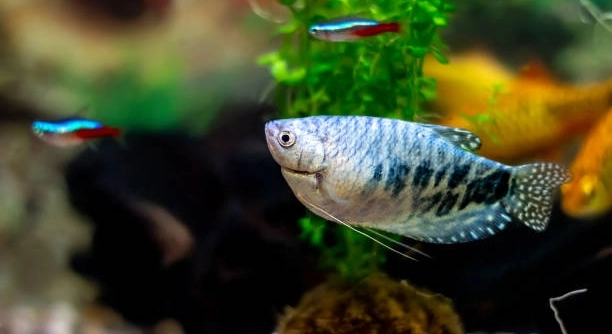
Gouramis are popular freshwater fish known for their peaceful nature and interesting behaviors. Many aquarium owners enjoy watching how these fish interact with their environment and with people nearby. Understanding how gouramis sense their surroundings can deepen your appreciation for them.
Gouramis do have the ability to sense human presence through their well-developed sensory organs, including their lateral line system and vision. These adaptations help them detect movement and vibrations in the water, allowing them to respond to nearby activity.
Exploring how gouramis perceive their world can improve how you care for them and enhance your connection with these gentle fish.
How Gouramis Use Their Senses
Gouramis rely on several senses to understand what’s happening around them. Their lateral line system is very important. It runs along their sides and helps detect tiny water movements and vibrations. This means if you move near the tank or tap on the glass, gouramis can feel those changes. Their eyesight is also good enough to spot nearby shapes and movements. Though their vision isn’t sharp like ours, it’s enough to notice when someone is close. Additionally, gouramis use their sense of smell to pick up chemical signals in the water. These senses work together to help them stay aware and safe. When you approach their tank, they often react by swimming closer or hiding, showing they have noticed you. This combination of sensory tools lets gouramis sense your presence even if you are still.
Gouramis are sensitive to touch and movement, which keeps them alert in their environment.
Understanding these senses can help you create a calm and safe space for your gouramis. Knowing how they respond to stimuli will guide you in handling and interacting with them more gently.
Behavior Changes When They Sense You
When gouramis sense someone near their tank, their behavior may change. Some might swim closer, showing curiosity or interest, while others may retreat to hide behind plants or decorations. This reaction depends on the individual fish’s personality and past experiences. Gouramis are generally peaceful but cautious, so sudden movements or tapping on the glass might startle them. If they feel safe, they may become more active and even approach your hand. Over time, they can learn to recognize you and respond calmly. This behavior shows they are aware and can differentiate between threats and familiar people. Watching these changes can be a rewarding part of caring for gouramis, as it reveals their intelligence and sensitivity.
Noticing how your gourami reacts can improve your connection and care techniques.
Being patient and consistent in how you interact with your gouramis will encourage trust. Avoid sudden actions, and allow them to get used to your presence. This helps reduce stress and promotes healthier behavior, making your aquarium a peaceful place for your fish.
How Gouramis React to Your Presence
Gouramis often respond to human presence with curiosity or caution. They may move closer to the glass or swim away, depending on their comfort level and past experiences with people.
Some gouramis get curious and will swim toward you when you approach the tank. This shows they recognize movement and may be interested in what you are doing. Others might hide briefly before calming down. Their response depends on how used they are to being around humans and the environment in the tank. Consistent, gentle interactions help gouramis feel more comfortable and reduce stress over time. Watching these reactions can make caring for them more enjoyable and rewarding.
When gouramis feel safe, they might even follow your hand near the tank or respond to feeding time. This behavior shows that they can connect their presence with positive experiences, like food or calm attention.
Improving Interaction with Gouramis
Understanding how gouramis sense and react to you can improve your relationship with them. Being calm and moving slowly helps them feel less threatened and more at ease in your presence. Avoid sudden movements or loud noises near the tank, which can startle them. Over time, this gentle approach encourages gouramis to be more relaxed and open to interaction. It also reduces their stress, which supports better health.
By observing their behavior carefully, you learn what makes them comfortable or anxious. Creating a peaceful environment with proper lighting, hiding spots, and consistent routines adds to their sense of security. This helps gouramis recognize you as a safe presence rather than a threat. Building this trust improves both their well-being and your enjoyment of watching these peaceful fish.
Signs Gouramis Notice You
Gouramis show they notice you by changing their swimming patterns. They may stop what they’re doing and focus on your movement outside the tank. Sometimes they hover near the glass or gently flare their fins to get attention.
These small changes in behavior show they are aware and reacting. It means they can detect your presence and decide whether to approach or stay cautious.
Training Gouramis to Recognize You
Gouramis can learn to associate you with feeding or gentle interaction. By approaching the tank regularly and offering food at the same spot, they begin to recognize you as a source of care. This builds trust and encourages them to respond positively when you are near. Patience and consistency are key, as gouramis need time to adjust to new routines.
Avoiding Stress for Your Gouramis
Sudden movements and loud noises can stress gouramis, so keeping the environment calm helps maintain their health and comfort.
FAQ
Can gouramis really tell when I am near the tank?
Yes, gouramis can detect your presence through their lateral line system and vision. They sense vibrations and slight water movements caused by your approach. Their eyesight also helps them notice shapes and movement outside the tank. This means they usually know when someone is close, even if you stay still.
Why do gouramis sometimes hide when I come near?
Hiding is a natural response to perceived threats or sudden changes. If a gourami isn’t used to your presence or if you move quickly, it may feel scared and seek shelter. Over time, with calm and gentle interactions, they usually become less shy and more comfortable around you.
Can gouramis recognize their owners?
Gouramis can recognize familiar people by associating them with positive experiences like feeding. They learn to connect your presence with food or calm behavior, which can make them swim closer or react calmly when you approach.
What behavior shows that my gourami is stressed?
Signs of stress in gouramis include rapid breathing, hiding frequently, erratic swimming, or loss of appetite. Stress can be caused by sudden movements, loud noises, poor water quality, or lack of hiding places. Keeping the tank environment stable helps prevent these issues.
How can I help my gouramis feel safe around me?
Move slowly and speak softly when near the tank. Avoid tapping the glass or making loud noises. Consistent feeding routines and gentle interaction will help them get used to you. Providing plants or decorations as hiding spots also makes them feel secure.
Do gouramis respond to touch?
Gouramis are sensitive to touch but should not be handled directly often. They may react to gentle water vibrations caused by your fingers or hand near the tank, but direct contact can cause stress or injury. It’s best to avoid handling unless necessary.
Can gouramis be trained to come to the surface for food?
Yes, gouramis can be trained with patience. Offering food at the same time and place every day helps them learn to come near the surface when you approach. This behavior shows they are comfortable and recognize you as the source of food.
Why does my gourami sometimes flare its fins when I am near?
Flaring fins is a way gouramis communicate or show alertness. When you approach, they might flare their fins to appear larger, signaling caution or interest. It’s a natural reaction and not always a sign of aggression.
How do gouramis use their senses underwater?
Gouramis use their lateral line to detect water movements and vibrations, their eyes to see shapes and colors, and their sense of smell to pick up chemical signals. Together, these senses help them find food, avoid danger, and notice your presence.
Is it normal for gouramis to follow my hand near the tank?
Yes, following your hand is a sign that your gourami recognizes you and feels safe. They often associate your hand with feeding or gentle attention. This behavior can be a rewarding way to bond with your fish.
Can sudden changes in the room affect my gouramis?
Sudden changes like bright lights switching on, loud noises, or quick movements can startle gouramis and cause stress. Keeping the environment calm and predictable helps them stay relaxed and healthy.
What should I avoid to keep my gouramis comfortable?
Avoid tapping the tank, sudden loud sounds, and quick movements. Do not overfeed or handle them unnecessarily. Maintaining clean water and providing plants or hiding spots creates a comfortable environment.
How often should I interact with my gouramis?
Regular but calm interaction helps gouramis become familiar with you. Daily feeding at consistent times and gentle observation are enough. Over time, they can learn to respond positively without feeling stressed.
Do gouramis have different reactions based on their species or size?
Yes, behavior varies among gourami species and individual fish. Some are more curious and social, while others are shy or territorial. Larger gouramis might be more confident but still need gentle care.
Can gouramis sense when I am upset or stressed?
While gouramis don’t understand human emotions, they can pick up on changes in your behavior and movements. If you are tense or move suddenly, they may become cautious. Calm interaction benefits both you and your fish.
Gouramis are fascinating fish with many unique qualities, especially when it comes to sensing their environment. They use special sensory systems like the lateral line and their eyesight to detect movement and changes around them. This means they can sense when you are near their tank. These senses help them stay aware of their surroundings and respond accordingly. Whether they swim closer out of curiosity or hide for safety, their reactions show that they notice your presence. Understanding how gouramis sense and react to you can make caring for them more interesting and rewarding.
When you spend time around your gouramis, you might notice small changes in their behavior. Some gouramis may swim to the front of the tank or follow your hand, while others might move away or hide briefly. These responses depend on the fish’s personality and how comfortable they feel. Over time, with gentle and consistent interaction, gouramis usually become less shy and more willing to engage. Moving slowly and avoiding loud noises help reduce stress and build trust. Creating a calm environment with plenty of plants and hiding spots also makes gouramis feel safe and secure.
Taking care of gouramis means paying attention to their needs and how they react to you. By learning to read their signals, you can better understand when they are comfortable or stressed. This helps you create a better home for them, improving their health and happiness. With patience and kindness, gouramis can become more interactive and show more of their natural behaviors. Knowing that these fish can sense your presence adds a special layer to the experience of having them in your aquarium. It makes each moment watching them a little more meaningful.

Hello,
If you enjoy the content that we create, please consider saying a "Thank You!" by leaving a tip.
Every little bit helps us continue crafting quality advice that supports the health, happiness, and well-being of pets around the world, for pets of all shapes, sizes, and species.
We really appreciate the kindness and support that you show us!