
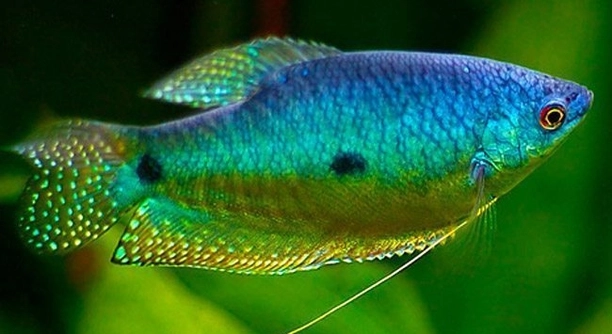
Have you ever noticed how Gourami behave in their tanks and wondered if they feel emotions like other animals? These small freshwater fish are popular pets and often show interesting behaviors. Many fish owners are curious about their emotional lives.
Gourami exhibit behaviors that suggest a level of emotional awareness, such as recognizing familiar fish and responding to stress or social interactions. Scientific studies indicate they can experience simple emotions and react to their environment accordingly.
Exploring these behaviors can help you better understand and care for your Gourami, improving their wellbeing and your connection with them.
How Gourami Show Emotional Awareness
Gourami often display behaviors that hint at emotional awareness. They recognize other fish they live with and sometimes act differently toward new tank mates. When stressed, Gourami may hide or change their color slightly. They also show signs of curiosity, exploring their environment or following movements outside the tank. These responses suggest that Gourami are more than simple creatures reacting only to survival needs. They seem to process their surroundings and adjust their behavior in ways that reflect some level of awareness. Observing your Gourami during feeding or social interactions can reveal subtle emotional cues. These behaviors show they have the capacity to respond not just physically but emotionally to changes and events in their habitat. Knowing this helps create a better environment for them by reducing stress and promoting natural behaviors.
Gourami’s emotional responses may not be complex, but they are noticeable in everyday behavior and interactions.
By recognizing these signs, you can improve how you care for Gourami and support their mental well-being in captivity.
Factors Influencing Gourami Emotions
Stress is a major factor that affects how Gourami feel and behave. Changes like new tank mates, poor water quality, or sudden movements outside the tank can cause stress. This stress can make Gourami hide or become less active. Comfortable surroundings, consistent feeding, and a peaceful environment help reduce stress and promote positive behaviors. Social interactions are important too, as Gourami can form bonds or establish hierarchies within their groups. Loneliness or aggression from other fish can impact their emotional state. Temperature and lighting also play a role, as sudden changes can unsettle them. By paying attention to these factors, you can help maintain a stable and calm environment, encouraging your Gourami to show natural, healthy behavior. Understanding their needs leads to a happier, healthier fish.
Proper care and attention to their environment allow Gourami to express their emotional awareness fully and naturally.
Recognizing Stress in Gourami
Stress in Gourami can show through changes in behavior and appearance. They may hide more, lose color, or stop eating. These signs are important to notice early.
When Gourami feel stressed, their immune system weakens, making them more prone to illness. Stress can come from overcrowding, sudden loud noises, or poor water conditions. It’s common for stressed fish to stay at the bottom of the tank or become less active. Watching their behavior daily helps catch stress signs before they worsen. Small changes like adding plants or adjusting tank mates can reduce stress. Keeping water clean and stable also plays a big role in their health. Stress affects not only how they feel but also how long they live, so creating a calm environment is essential.
If you see these signs, acting quickly to improve their tank conditions can help your Gourami recover and feel safer.
Social Behavior and Emotional Bonds
Gourami are social fish and often show preferences for certain tank mates. They might spend more time near fish they trust or respond differently to strangers. This shows some emotional bonding.
These fish can develop a sense of familiarity with their companions. They may even recognize their owner’s presence and react to feeding times with excitement. Aggression can occur, especially among males, but this is part of establishing social order. Providing enough space and hiding spots reduces conflicts. Social interaction seems to influence their mood and behavior, so keeping them in compatible groups benefits their emotional health. Watching how Gourami interact gives insight into their feelings and relationships, showing they are not just reacting instinctively but engaging with others around them.
Emotional Responses to Environment
Gourami react noticeably to changes in their environment. Sudden shifts in lighting or temperature can cause stress or agitation.
They may hide or swim erratically when something feels off. A stable, calm tank helps them feel safe and reduces these reactions.
How Gourami Show Curiosity
Gourami often explore new objects in their tank by swimming around or nibbling gently. This behavior suggests they are aware and interested in their surroundings. Watching them interact with new plants or decorations shows their natural curiosity and need for mental stimulation.
Training and Recognition
Gourami can learn to recognize their owners and associate them with feeding. This shows they can remember and respond to people, which is a simple form of emotional awareness.
Impact of Tank Setup
A well-planned tank setup reduces stress and promotes natural behaviors, helping Gourami stay emotionally balanced.
What signs show that Gourami are emotionally aware?
Gourami display several behaviors that hint at emotional awareness. They recognize familiar fish and respond differently to new tank mates. Changes in color, hiding, or altered swimming patterns often point to stress or excitement. They also explore their environment curiously, which suggests they notice changes and react emotionally. When they recognize their owners, they may swim closer during feeding times, showing they remember and respond to people. These signs suggest Gourami aren’t just reacting instinctively but experience simple emotions related to safety, curiosity, and social interaction.
Can Gourami form bonds with other fish or humans?
Yes, Gourami can form social bonds with other fish and may recognize their owners. Within a group, they often show preference for certain companions and avoid or challenge others. This behavior helps establish social order but also hints at emotional connections. With humans, Gourami can learn to expect food and react to familiar voices or movements. These interactions show they can remember individuals and feel comfortable around them. Social bonds, whether with tank mates or owners, contribute positively to their well-being and reduce stress.
How does stress affect Gourami’s emotional state?
Stress negatively impacts Gourami’s emotional and physical health. It weakens their immune system, making them more vulnerable to diseases. Stressors include overcrowding, sudden noise, poor water quality, and aggressive tank mates. When stressed, Gourami may hide, lose appetite, or lose color. These changes show emotional discomfort and can lead to long-term health problems if ignored. Minimizing stress by keeping water stable, providing hiding spots, and choosing peaceful companions helps maintain their emotional balance and encourages natural behaviors.
Can Gourami recognize their owners?
Gourami are capable of recognizing their owners, especially through regular feeding routines. They learn to associate certain movements, sounds, or times with food and may swim toward the tank glass when the owner approaches. This recognition indicates a simple memory and emotional connection, showing that Gourami respond to more than just instinct. Building this bond requires consistency and gentle interaction, which also helps reduce stress and creates a more engaging environment for the fish.
What environmental factors influence Gourami emotions?
Several environmental factors affect Gourami’s emotions. Sudden changes in lighting or temperature can cause stress and fear. Overcrowding or aggressive tank mates may lead to anxiety or hiding. Poor water quality can make them lethargic and stressed. On the other hand, a stable environment with good water conditions, plenty of plants, and enough space encourages calm and natural behavior. Providing a tank that mimics their natural habitat supports emotional well-being by reducing stress and allowing them to express curiosity and social behaviors freely.
Are Gourami capable of feeling simple emotions?
Scientific observations suggest Gourami experience simple emotions such as fear, curiosity, and social bonding. Their reactions to new objects, familiar fish, and environmental changes show they respond emotionally, not just instinctively. While their emotional range isn’t as complex as mammals, they can feel and react to stress, comfort, and social interaction. These emotional responses are important for their survival and wellbeing in captivity, and recognizing this helps fish owners provide better care.
How can I reduce stress for my Gourami?
To reduce stress in Gourami, maintain clean, stable water with the right temperature and pH. Avoid sudden changes in lighting or loud noises around the tank. Provide hiding spots and plants to help them feel secure. Choose peaceful tank mates to prevent aggression. Feed them consistently and avoid overcrowding. Watching their behavior daily helps catch stress signs early, so you can act quickly. Creating a calm, stable environment supports their emotional health and helps them live longer, healthier lives.
Do Gourami show curiosity like other pets?
Yes, Gourami show curiosity by exploring new objects or changes in their tank. They swim around plants or decorations and may gently nibble to investigate. This behavior reflects mental engagement and suggests they notice and respond to changes emotionally. Encouraging curiosity with varied tank setups can enrich their environment and promote emotional well-being.
Can Gourami be trained to respond to their owners?
Gourami can be trained to respond to their owners through repeated feeding routines and gentle interaction. They learn to associate owners with food and may swim closer when approached. This simple training shows memory and emotional awareness, enhancing the bond between fish and owner. Consistency and patience are key for successful interaction.
Why do Gourami change color when stressed?
Color changes in Gourami often indicate stress or discomfort. When stressed, their colors may fade or darken as a physiological response. This change helps them conserve energy and hide from perceived threats. Monitoring color shifts can help owners identify stress early and adjust care or environment to improve the fish’s emotional state and health.
Gourami are interesting fish that show signs of emotional awareness. They do not just swim around without thought. Instead, they react to their surroundings in ways that suggest they feel simple emotions like stress, curiosity, and social connection. When they recognize other fish or their owners, they behave differently than they do around strangers. This shows that Gourami are aware of their environment and the beings around them. Understanding this helps us see that fish, like Gourami, are more than just creatures driven by instinct. They have feelings that influence their behavior and well-being.
Taking care of Gourami means paying attention to how their environment affects their emotions. Changes in water quality, temperature, or tank mates can cause stress, which makes them hide, lose color, or stop eating. A calm, stable tank with clean water and enough space is very important to help them stay healthy and emotionally balanced. Providing hiding spots and plants also helps them feel safe. Watching how they act every day can give clues about how they feel, so you can make changes if needed. Reducing stress in this way supports their natural behaviors and can help them live longer, happier lives.
Recognizing that Gourami have emotional responses encourages better care and respect for these fish. It reminds us that even small animals experience the world in their own way. By creating a peaceful and stimulating environment, we support their needs beyond just food and shelter. Simple actions like keeping the tank clean, choosing good tank mates, and interacting gently with the fish make a big difference. Knowing that Gourami are emotionally aware helps us treat them with kindness and improves the experience of keeping them as pets. This understanding leads to a healthier relationship between fish and owner.

Hello,
If you enjoy the content that we create, please consider saying a "Thank You!" by leaving a tip.
Every little bit helps us continue crafting quality advice that supports the health, happiness, and well-being of pets around the world, for pets of all shapes, sizes, and species.
We really appreciate the kindness and support that you show us!