
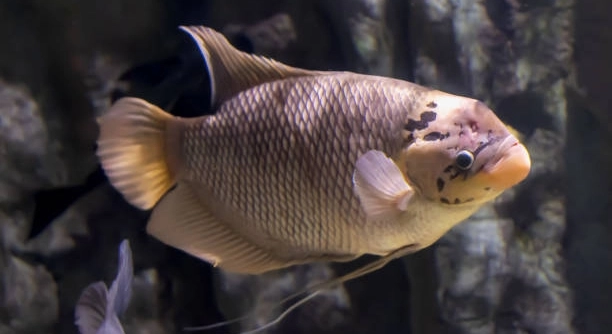
Have you ever noticed your gourami suddenly darting across the tank when you move too quickly nearby? Their behavior can be surprising and even a little worrying at times, especially for new fish owners.
Gourami react to sudden movement due to their natural instinct to avoid perceived threats. Quick changes in their environment, especially near the tank, may trigger a flight response. This behavior is more pronounced in younger or stressed individuals.
Understanding this reaction can help you adjust your approach around their habitat and improve their overall comfort and well-being in the tank.
Why Gourami React to Sudden Movements
Gourami are naturally alert fish that rely on their surroundings to feel safe. In the wild, they often hide from predators, so quick movements near their space can cause alarm. When someone walks past the tank quickly or waves a hand near the glass, it may feel threatening to them. This is especially true if the fish haven’t had time to adjust to their new home. Young or newly introduced gourami are more sensitive and may hide or dart around when startled. Over time, they might get used to familiar movements, but sudden changes still make them react. Soft lighting, slow movements, and placing the tank in a quiet area can help reduce their stress. These small changes make a big difference in how comfortable they feel. Watching their behavior closely helps you understand what makes them feel secure and how to support their calmness.
Some gourami become calmer once they recognize regular patterns around them.
Even though gourami are known for their peaceful nature, that doesn’t mean they are always calm. Stress, noise, and sudden actions can quickly unsettle them. If your tank is placed in a busy room with frequent movement, your fish may stay on edge throughout the day. Loud sounds or children running nearby may also have an effect. Some owners also notice their gourami reacting strongly after water changes or if decorations are suddenly moved. These quick adjustments are not harmful but can temporarily disturb their sense of safety. Keeping things steady can really help. If your tank setup is consistent, and you’re mindful of your actions near the tank, you might see your gourami become less jumpy over time. A relaxed fish is more likely to show natural behaviors like swimming slowly, building bubble nests, and even interacting gently with tank mates.
Ways to Help Your Gourami Feel Safer
Try to keep a soft, calm environment around the tank with steady lighting and minimal traffic.
To make your gourami feel more secure, avoid placing their tank in areas with frequent movement or loud noise. Pick a quieter spot in your home, ideally away from doors and windows. Add some tall plants and hiding places inside the tank. These give your gourami a sense of protection. Decorations like driftwood or caves also work well. When approaching the tank, move slowly and speak softly if needed. It may seem small, but your presence has an impact. Feed them on a routine schedule to build trust. Over time, they’ll associate you with safety and food. Sudden water changes can also unsettle them, so perform maintenance calmly. Don’t shift objects in the tank too often. By building consistency, your gourami will start to feel less threatened by everyday movements. These steps lead to better behavior and stronger well-being in your fish.
Understanding Their Senses
Gourami rely on their senses to stay alert and safe in their surroundings. Their eyes are sensitive to movement and light changes, which can trigger quick reactions. Sudden shadows or fast gestures may feel like threats to them.
Along with vision, gourami use their lateral line system to detect vibrations in the water. This helps them sense movement around the tank even if they can’t see it. A knock on the glass or fast steps near the tank can create vibrations they instantly pick up on. It’s not about fear as much as instinct. Their reaction is natural and designed to protect them from harm. This means even harmless human behavior may cause stress if repeated often. Over time, some fish may adjust, but many will always remain alert to fast shifts around them, especially in a new or changing environment.
Another sense that plays a role is their hearing. Gourami can detect sound waves traveling through the water, and while their hearing isn’t as advanced as ours, loud noises can still cause a reaction. If you play music or raise your voice nearby, it may cause them to swim away or hide. These reactions can sometimes be mistaken for playfulness, but they often signal discomfort. You don’t have to stay silent, but it helps to be mindful of the sounds around their tank. A peaceful space supports better behavior and keeps your fish from being overly jumpy. With steady care, their trust in their environment grows.
Habituation and Trust Building
Once gourami begin to recognize regular movement and routines, they may stop reacting as sharply. This is known as habituation. It doesn’t happen overnight, and not all fish adapt at the same rate.
The key to building trust with your gourami is keeping things consistent. Feed them at the same time each day and try to keep tank maintenance on a schedule. Move slowly near the tank so they begin to link your actions with safety, not surprise. If you want to interact, try placing your hand near the glass gently and wait for them to approach. Over time, many gourami learn to tolerate human movement and even become curious. Patience is important. Sudden changes—like moving the tank or switching decorations too often—can undo progress. The more predictable your actions are, the more your gourami will feel secure. A calm environment helps them stay healthy, confident, and active.
Signs of Stress to Watch For
If your gourami is easily startled, hides often, or refuses food, it may be stressed. These behaviors usually show up when the tank environment is too loud or busy. Stress can weaken their immune system over time.
Rapid gill movement, color fading, and unusual swimming patterns can also be signs. If these symptoms continue, check the tank’s conditions and make sure their space is calm and stable. Small changes often help reduce stress quickly.
When Reaction Becomes a Problem
If your gourami is constantly reacting to movement, it may affect their overall health. Ongoing stress can lead to lowered immunity, making them more likely to get sick. It can also interfere with normal behaviors like eating and socializing. Over time, this may cause long-term effects like stunted growth or loss of color. If you notice your fish reacting every time someone walks by or moves nearby, try moving the tank to a quieter location. Adding more plants or cover inside the tank helps them feel protected. Simple adjustments like these can lead to more relaxed behavior and better health overall.
Common Mistakes to Avoid
Avoid tapping the tank or making fast movements nearby, especially during feeding or cleaning. These actions may seem small but can increase fear and stress.
FAQ
Why do my gourami hide when I walk past the tank?
Gourami are naturally cautious and rely on their instincts to stay safe. When you walk by quickly, they may see it as a potential threat and hide as a protective reaction. It’s not personal—it’s just how they’ve adapted to survive. Over time, if your movements are slow and steady, they may get used to you and react less. If they continue hiding for long periods, consider whether the tank placement might be too exposed or busy. Adding plants or decorations for cover can also help reduce hiding behavior.
Can sudden movement actually harm my gourami?
Sudden movement itself doesn’t physically harm your fish, but repeated stress from it can cause health issues over time. When gourami are startled often, they may become anxious, eat less, and be more prone to illness. Constant stress weakens their immune system and can lead to infections or other health concerns. It’s best to reduce any source of frequent stress, including loud noises, fast movements, or sudden light changes. A stable environment will help them feel safer and stay healthier.
How long does it take for gourami to adjust to a new environment?
Every gourami is different, but most take a few days to several weeks to adjust to a new tank or home. During this period, they may hide more, eat less, and respond strongly to movement. Consistency is important. Feed them on schedule, avoid loud noises, and keep tank changes minimal. Give them time and space to settle. Eventually, most gourami begin to show normal behavior like swimming freely, exploring, or even approaching you when you feed them.
Why is my gourami still jumpy after a month?
If your gourami still reacts strongly to movement after a month, it may mean something in their environment is making them feel unsafe. Check if the tank is in a high-traffic area or near loud sounds like TVs or speakers. Also, look at the setup inside the tank—do they have enough places to hide or rest? If not, add more plants or hiding spots. In some cases, the fish’s personality plays a role too. Some individuals are just more sensitive and may always be a little wary.
What can I do during tank maintenance to avoid scaring them?
Move slowly and try to keep your hands in the water as little as possible. Sudden hand movements can startle your gourami. It helps to keep a routine so they begin to recognize the pattern of cleaning. Use quiet tools and avoid tapping on the glass. You can also try feeding them a small treat after maintenance to help them associate it with something positive. Over time, they will learn it’s not a threat.
Do all species of gourami react the same way?
Not exactly. While all gourami share similar instincts, some species are more sensitive than others. For example, dwarf gourami may be more skittish, while larger types like pearl gourami can sometimes be a bit calmer. Individual personality, tank mates, and environment also play a role. It’s helpful to observe your specific fish and adjust care based on their reactions rather than general rules. What works for one may not work for another, so patience and flexibility are key.
Will my gourami ever stop reacting completely?
Probably not fully, and that’s normal. Even well-adjusted gourami will still react to certain things—they’re just wired that way. But with time, they can become more comfortable and may not startle as easily. You may even notice them swimming toward you when you approach the tank, especially at feeding time. The goal isn’t to remove all reaction, but to create an environment where they feel mostly secure and relaxed. A little response is okay—it shows they’re aware and alert.
Final Thoughts
Gourami are beautiful and peaceful fish, but they can be very sensitive to their surroundings. Sudden movements, loud noises, or changes in the tank can cause them to react quickly. This is not a sign that something is wrong with them—it’s just how they are wired. In the wild, they must be alert to stay safe. When they see quick movement near their tank, they often think it could be danger, so they hide or dart away. This behavior is normal and does not mean your fish is scared of you personally. With time, many gourami learn to feel more relaxed if they live in a steady, calm environment.
It’s important to pay attention to your gourami’s behavior. If they are constantly hiding, skipping meals, or showing signs of stress, it could mean their tank setup or surroundings are making them uncomfortable. You don’t need to make huge changes. Simple steps like adding plants, moving the tank to a quieter spot, and avoiding fast gestures nearby can make a big difference. Consistency helps them feel safe. Feeding them at the same time each day and speaking softly near the tank can also help build trust. Each fish is different, so don’t worry if yours takes a little longer to adjust. With gentle care, most gourami begin to show more calm and natural behaviors over time.
Creating a stress-free space for your gourami is not just about making them feel better—it also supports their health. A relaxed fish will be more active, eat better, and stay stronger against illness. You don’t need expensive equipment or complicated setups. What matters most is how stable and peaceful their environment is. Watching your gourami swim freely and act comfortably in their tank can be very rewarding. It’s a small sign that your care is working. If they still react to sudden movements once in a while, that’s okay. It’s part of who they are. The goal is not to stop their natural instincts but to help them feel safe enough to be themselves. With time, you’ll learn what works best for your fish, and they’ll begin to trust the space you’ve made for them.

Hello,
If you enjoy the content that we create, please consider saying a "Thank You!" by leaving a tip.
Every little bit helps us continue crafting quality advice that supports the health, happiness, and well-being of pets around the world, for pets of all shapes, sizes, and species.
We really appreciate the kindness and support that you show us!