
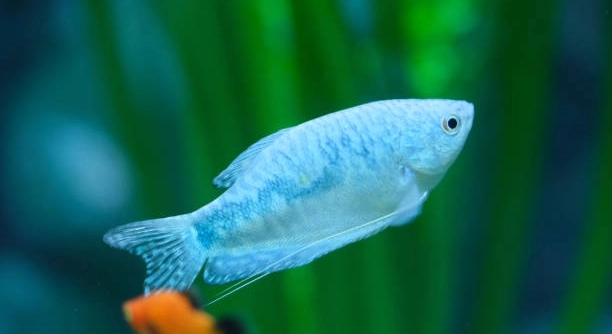
Many gourami fish tend to avoid staying near the water’s surface, which can puzzle both new and experienced aquarium keepers. Observing their behavior closely can help owners understand their natural preferences and needs. This article will explain why this happens.
Gourami avoid the surface mainly due to water quality, stress, or lack of proper habitat conditions. Poor oxygen levels, strong light, or predators can make them feel unsafe near the top, prompting them to stay in lower or shaded areas.
Knowing these reasons will help you create a more comfortable and healthy environment for your gourami, ensuring they feel safe and thrive in your aquarium.
Reasons Gourami Avoid the Surface
Gourami often avoid the water surface because of environmental stressors. One common reason is low oxygen levels near the top, especially if the water is stagnant or poorly aerated. Since gourami have a labyrinth organ allowing them to breathe air, they usually come to the surface to gulp oxygen. But if the water quality is poor or if the surface has a film or debris, they may avoid it. Bright lights or strong water currents at the surface can also make them uncomfortable. Additionally, if there are aggressive tank mates or predators nearby, gourami prefer to stay lower where they feel safer. Temperature fluctuations near the surface may add to their reluctance. A well-maintained aquarium with proper filtration, gentle lighting, and peaceful companions helps encourage them to explore the upper levels naturally.
Stress, poor water conditions, and lighting usually cause this behavior.
Understanding these factors can guide aquarium care to make gourami more comfortable and healthy.
Creating a Comfortable Habitat
A balanced environment helps gourami feel safe and reduces their avoidance of the surface.
Maintaining clean water with regular changes and a good filter is essential. Moderate lighting that mimics natural conditions keeps gourami calm. Providing plenty of plants and hiding spots near the surface allows them to explore without feeling exposed. Floating plants can reduce light intensity and offer shelter. Avoid placing aggressive fish that disturb or chase gourami near the top area. It’s important to keep water temperature stable, as sudden changes can stress the fish. Proper oxygenation from gentle water movement or an air stone improves water quality. Observing your gourami’s behavior after habitat adjustments helps identify what works best for them. A peaceful and well-maintained tank encourages gourami to use all levels, including the surface, naturally.
Health Issues Affecting Surface Behavior
Gourami may avoid the surface due to health problems like infections or parasites. Illness can make them weak or uncomfortable, causing them to hide in lower parts of the tank.
Common diseases such as fin rot, ich, or bacterial infections reduce their energy and appetite, making them less likely to swim near the surface. Parasites might irritate their gills or skin, leading to breathing difficulties. If water conditions are poor, illness spreads faster, increasing stress. Early signs include lethargy, clamped fins, or rapid breathing. Regular observation and maintaining good water quality are crucial to prevent health issues.
If illness is suspected, quarantining affected fish and treating with appropriate medications helps recovery. Keeping the tank clean and stable supports their immune system. Healthy gourami are more likely to explore all tank levels, including the surface.
Feeding Habits and Surface Avoidance
Gourami usually feed at the surface but may avoid it if food is scarce or water conditions are unfavorable.
When food is not easily accessible or drifting on the surface, gourami might stay lower and search for other sources. Poor water quality or stress can also reduce their appetite, making them less active around the top. Offering floating pellets or flakes regularly encourages them to come up for food.
Feeding at consistent times helps build their trust and routine, reducing anxiety. Observing their feeding habits gives clues about their comfort level. Proper feeding and water care together improve their willingness to use the surface area confidently.
Water Surface Conditions
The surface of the water can be uncomfortable for gourami if it is disturbed or dirty. Debris, oils, or bubbles may form a barrier that makes breathing difficult.
Strong water currents or splashing can also discourage them from approaching the surface. Gourami prefer calm, stable conditions near the top where they can breathe easily without stress.
Importance of Floating Plants
Floating plants help create a natural cover at the surface. They reduce light intensity and break up water movement, providing gourami with shelter.
These plants also improve water quality by absorbing excess nutrients, which helps keep the water clean. Adding floating plants makes the surface less intimidating and more inviting for gourami to explore.
Tank Mates Influence
Aggressive or fast-moving fish can scare gourami away from the surface. Peaceful companions reduce stress and encourage surface activity.
Choosing compatible tank mates ensures gourami feel safe throughout their environment, including the water surface.
FAQ
Why do my gourami hide near the bottom and avoid the surface?
Gourami may stay near the bottom because they feel stressed or unsafe at the surface. Poor water quality, bright light, or strong currents near the top can make them uncomfortable. Sometimes aggressive tank mates chase them away from the surface. Also, health issues like infections or parasites may cause them to hide. Making the tank calm, clean, and well-planted helps gourami feel secure enough to explore all parts of the tank.
Can low oxygen levels cause gourami to avoid the surface?
Interestingly, low oxygen usually makes gourami go to the surface since they have a labyrinth organ to breathe air. But if the surface water is dirty or covered with oils or debris, they may avoid it despite needing oxygen. This means good surface cleanliness and gentle water movement are key to encouraging surface visits. Proper aeration and regular cleaning help maintain a safe environment for their breathing.
How does lighting affect gourami behavior near the surface?
Bright or harsh lighting can stress gourami and cause them to avoid the surface. They prefer dimmer, softer light, which feels more natural. Floating plants or shaded areas near the surface can reduce light intensity and make them feel safer. If your tank lights are too strong or on for too long, consider adjusting the schedule or using floating plants to create a more comfortable habitat.
Do gourami prefer certain types of plants at the surface?
Yes, gourami tend to like floating plants such as duckweed, water lettuce, or Amazon frogbit. These plants provide shade and cover, breaking up light and reducing water movement at the surface. The plants create a safer feeling and encourage gourami to explore the upper part of the tank more often. They also improve water quality by absorbing nutrients, helping the whole tank ecosystem.
Can feeding habits change where gourami spend their time?
Absolutely. Gourami often feed at the surface, especially on floating pellets or flakes. If food is scarce or sinks too quickly, they might spend less time near the surface. Regular feeding with floating food encourages them to come up for meals. Also, feeding at consistent times helps build trust and routine, making them more comfortable moving throughout the tank, including the surface.
What tank mates are best to keep with gourami to avoid surface stress?
Peaceful, slow-moving fish make the best tank mates for gourami. Avoid aggressive or very active species that chase or bully them. Fish that share similar water needs but don’t compete aggressively for space or food create a calm environment. Calm tank mates reduce stress, which encourages gourami to use all areas of the tank, including the surface.
How can I tell if my gourami is sick and avoiding the surface because of illness?
Signs of illness include lethargy, clamped fins, rapid or labored breathing, and loss of appetite. If your gourami is hiding more than usual or staying low and seems weak, it may be sick. Poor water quality often contributes to illness. Regular water testing and observation help catch problems early. Quarantining and treating sick fish promptly is important for recovery and encouraging normal behavior.
Is water temperature important for gourami surface behavior?
Yes, gourami prefer stable temperatures, usually between 75°F and 82°F (24°C–28°C). Sudden temperature changes, especially near the surface, can stress them and cause avoidance. Maintaining a steady, comfortable temperature throughout the tank helps gourami feel safe and more willing to explore all levels, including the surface.
How often should I clean the surface of my aquarium?
Cleaning the surface regularly, at least once a week, helps remove oils, debris, and waste that may build up. This keeps the surface clear for easy breathing and feeding. Using a gentle net or surface skimmer is effective. Clean surface water encourages gourami to come up without hesitation and helps maintain good oxygen exchange.
What if my gourami never come to the surface, even after changes?
If your gourami still avoid the surface after improving water quality, lighting, and tank setup, they may be naturally shy or stressed from past experiences. Some gourami simply prefer lower or mid-levels. Patience is key. Keep the tank conditions stable and provide hiding spots. Over time, they may grow more comfortable and begin exploring the surface at their own pace.
Gourami are unique fish with specific needs that influence their behavior, especially around the water surface. Understanding why they avoid the surface helps us provide better care and create a comfortable environment. Many factors, like water quality, lighting, and tank mates, can affect their willingness to explore the top part of the aquarium. Paying attention to these details ensures gourami stay healthy and stress-free, which is important for their overall well-being. When gourami avoid the surface, it usually signals that something in their environment needs adjustment.
Taking simple steps like keeping the water clean, using floating plants, and choosing peaceful tank mates can make a big difference. Gourami feel safer when they have places to hide and when the water conditions match their natural habitat. Avoiding bright lights and strong currents near the surface helps them relax and breathe easily. Feeding them with floating food also encourages them to spend more time at the top. By creating a balanced, calm environment, we can help gourami express their natural behavior and enjoy a fuller range of movement in the tank.
If your gourami still prefer to stay lower in the tank after making these changes, don’t worry. Each fish has its own personality and comfort zone. Some gourami are naturally more shy or cautious and will only gradually explore new areas. Observing their behavior and maintaining stable conditions is the best approach. With patience and care, you will likely see your gourami become more confident and active over time. The key is to keep their environment healthy and stress-free so they can thrive in your aquarium.

Hello,
If you enjoy the content that we create, please consider saying a "Thank You!" by leaving a tip.
Every little bit helps us continue crafting quality advice that supports the health, happiness, and well-being of pets around the world, for pets of all shapes, sizes, and species.
We really appreciate the kindness and support that you show us!