
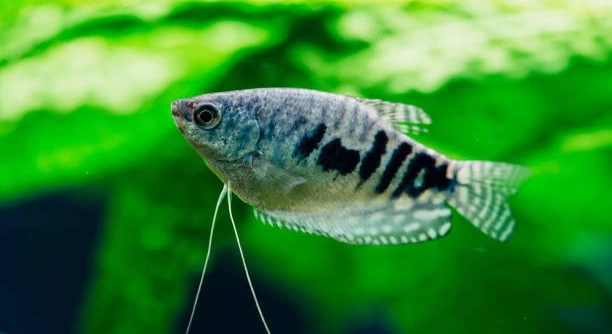
Gouramis are popular freshwater fish known for their peaceful nature and interesting behaviors. Many fish keepers wonder whether these fish thrive better alone or in groups. Understanding their social needs can help create a healthy aquarium environment.
Gouramis can be kept both in groups and solo, but their behavior depends on species, tank size, and individual temperament. Some species prefer solitude, while others enjoy social interaction, so proper care requires attention to these factors for optimal well-being.
Knowing the right way to keep gouramis ensures a balanced aquarium and happier fish. This article will help clarify their social habits and care needs.
Social Behavior of Gouramis
Gouramis show different social behaviors depending on their species. Some gouramis, like the dwarf gourami, often prefer to live alone or in pairs. They can become stressed or territorial when kept in larger groups. On the other hand, some species like the pearl gourami are more peaceful and can be kept in small groups without issues. Tank size plays a big role in how well gouramis get along. Smaller tanks make social living harder because there is less space to establish territories. When kept in the right conditions, gouramis display interesting interactions like gentle chasing and exploring together. However, overcrowding or mixing aggressive species can lead to stress or injury. Observing your gouramis’ behavior will help you decide whether they need more space or fewer companions to stay calm and healthy.
Keeping gouramis in a suitable tank size reduces stress and improves their social interactions.
Knowing how your gouramis behave socially helps maintain peace and balance in your aquarium. It is important to watch for signs of stress or aggression to adjust their environment accordingly.
Benefits of Keeping Gouramis in Groups
Gouramis kept in groups can benefit from natural social behaviors that help reduce boredom. Group living encourages activity and interaction, which can make your aquarium more lively and enjoyable to watch. Fish in groups often feel safer, as they rely on each other to detect threats. This shared alertness can reduce stress and support better health. Small groups allow gouramis to establish social hierarchies that prevent constant fighting. However, groups should not be too large, or overcrowding might lead to aggression and competition for food. Choosing compatible species and providing plenty of hiding spaces will help keep group dynamics peaceful. Group care requires attention to water quality, as more fish produce more waste. Regular maintenance ensures your gouramis thrive together, showing their natural colors and behaviors.
Keeping gouramis in groups can make your aquarium more dynamic and peaceful, as long as you manage space and species carefully.
Solo Living for Gouramis
Some gouramis do better when kept alone, especially those with more territorial or aggressive tendencies. Solo living helps reduce stress and fighting.
Keeping a gourami alone allows it to have full control over its space. This is important for species like the honey gourami, which can become stressed when other fish invade their territory. Solo gouramis often show brighter colors and more natural behaviors since they don’t have to compete. However, keeping one fish alone means you need to give extra attention to its enrichment. Providing plants and hiding spots helps keep the fish active and comfortable. Solo gouramis need good water quality and regular tank maintenance to stay healthy since their activity level might decrease without companions.
Solo care works well for specific gouramis but requires thoughtful tank setup and monitoring to ensure the fish stays mentally and physically healthy.
Choosing the Right Tank Setup
Tank size and decorations greatly impact whether gouramis do well solo or in groups. Larger tanks allow social fish to spread out and avoid conflict. Plants and hiding places reduce stress by offering shelter and territory boundaries. Floating plants are especially useful because gouramis often prefer surface areas. Open swimming space is also necessary for exercise and natural behavior. Avoid overcrowding, which increases aggression and reduces water quality. For solo gouramis, a well-decorated tank prevents boredom and creates a safe environment. Consistent water parameters and filtration help maintain a stable habitat. Careful tank design supports healthy social interactions or peaceful solo living, depending on your gourami’s needs.
A balanced tank setup ensures gouramis feel secure, whether they live alone or with others, improving their health and behavior over time.
Common Signs of Stress in Gouramis
Stress in gouramis often shows through changes in behavior or appearance. Watch for hiding, loss of color, or rapid breathing as early warning signs.
Other signs include aggression toward tank mates, reduced appetite, and lethargy. Identifying stress early helps prevent health problems and keeps your fish comfortable.
Feeding Gouramis in Groups
Feeding gouramis in groups requires careful attention to ensure all fish get enough food. Uneven feeding can lead to competition and stress. Use slow-sinking pellets or flakes to allow shy gouramis to eat without rushing. Observing feeding times helps spot if any fish are being bullied or left out. Adjusting feeding habits can improve group harmony and keep all gouramis healthy and well-nourished.
Compatibility with Other Fish
Gouramis are generally peaceful but can sometimes show aggression. Choose tank mates that are calm and similar in size to avoid conflicts.
Water Quality Needs
Maintaining stable water quality is essential for both solo and group gouramis. Regular testing and cleaning keep your fish healthy.
Can gouramis live peacefully with other fish?
Gouramis are generally peaceful and can live with other calm fish of similar size. However, some species may show territorial behavior, especially males during breeding or in small tanks. Avoid keeping gouramis with aggressive or very active fish that might stress them. Providing enough space and hiding spots helps reduce conflict. When selecting tank mates, choose species that won’t nip at gouramis’ fins or compete aggressively for food. Always observe interactions carefully in the first days to prevent bullying or stress.
How many gouramis should be kept together?
The ideal number depends on species and tank size. Smaller species like dwarf gouramis are often better kept singly or in pairs to avoid aggression. Larger, peaceful species like pearl gouramis can be kept in groups of three to five if the tank is spacious. Overcrowding leads to stress and territorial fights. As a rule, allow at least 10 gallons per gourami for group living. Always watch for signs of stress and separate fish if needed.
Do gouramis need a specific water temperature?
Yes, gouramis thrive in tropical temperatures between 74°F and 82°F (23°C to 28°C). Stable water temperature within this range is important to keep them healthy and active. Sudden temperature changes can cause stress and illness. Using a reliable heater and thermometer helps maintain consistency. Adjust temperature based on species needs, but most gouramis share similar requirements.
What should I feed my gouramis?
Gouramis are omnivores and eat a variety of foods. High-quality flake or pellet food designed for tropical fish works well as a staple diet. Supplement with live or frozen foods like bloodworms, brine shrimp, and daphnia for protein and variety. Vegetables such as blanched spinach or zucchini are also good occasional treats. Feeding small amounts twice a day prevents overfeeding and keeps water quality stable.
Is it okay to keep male gouramis together?
Male gouramis can be territorial, especially in small tanks. Some species, like dwarf gouramis, often fight if kept together. Larger tanks with plenty of hiding spaces can reduce aggression. For peaceful group living, keeping only one male per tank or choosing females and juveniles is safer. Always monitor males closely for signs of stress or injury and separate if necessary.
How can I tell if my gourami is stressed?
Signs of stress include hiding more than usual, loss of color, rapid breathing, and reduced appetite. Aggression or lethargy also point to discomfort. Stress can come from poor water quality, overcrowding, or incompatible tank mates. Regular observation and water testing help catch problems early. Addressing stress quickly improves your gourami’s health and happiness.
Can gouramis breathe air from the surface?
Yes, gouramis have a labyrinth organ that lets them breathe atmospheric air. This helps them survive in low-oxygen water environments. You will often see them gulping air at the surface, which is normal behavior. Make sure your tank has access to the surface and that water quality remains good, as poor conditions still affect their health.
How often should I clean my gourami’s tank?
Regular tank maintenance is essential. Partial water changes of about 20-25% every one to two weeks keep water clean and stable. Remove uneaten food and debris daily to prevent waste buildup. Clean filters as recommended by the manufacturer without disturbing beneficial bacteria. A clean tank reduces stress and disease risk for gouramis whether they live solo or in groups.
What size tank is best for gouramis?
Tank size depends on the number and species of gouramis. For a single dwarf gourami, a 10-gallon tank is usually sufficient. For groups or larger species, 20 gallons or more is recommended to provide enough swimming space and territories. Bigger tanks make it easier to keep water stable and reduce conflicts. Always research your specific gourami’s size and behavior before deciding on tank size.
Can gouramis breed in a community tank?
Breeding gouramis often need privacy and specific conditions that community tanks may not provide. Males build bubble nests and guard eggs, which can lead to aggression. Other fish may eat the eggs or fry. For successful breeding, it’s best to set up a separate breeding tank with controlled conditions. Once fry grow, they can be introduced carefully into community tanks.
Gouramis are interesting fish that can live well either alone or in groups, depending on the species and their environment. Some gouramis enjoy having companions and show more natural behavior when in a small group. Others prefer to have their own space and can become stressed if kept with too many other fish. Knowing the type of gourami you have and understanding their personality helps a lot in deciding how to keep them. Tank size and setup also play important roles in whether gouramis will live peacefully together or better on their own.
Creating a comfortable space for gouramis is key to their health and happiness. When kept in groups, gouramis need enough room to avoid fights and plenty of hiding spots to reduce stress. Solo gouramis benefit from a well-planted tank that offers shelter and things to explore. Water quality should always be kept stable with regular maintenance and testing. Feeding them a balanced diet with both flakes and occasional live or frozen foods helps them stay healthy. Watching how your gouramis behave and adjusting care based on their needs will make a big difference.
Deciding whether to keep gouramis alone or in groups comes down to paying attention to their behavior and comfort. Some trial and error may be necessary to find what works best. Taking the time to research your gourami species and provide the right environment will reward you with healthy fish that display their natural colors and personalities. Gouramis are beautiful and peaceful fish when cared for properly, and understanding their social needs will help you create a balanced and enjoyable aquarium.

Hello,
If you enjoy the content that we create, please consider saying a "Thank You!" by leaving a tip.
Every little bit helps us continue crafting quality advice that supports the health, happiness, and well-being of pets around the world, for pets of all shapes, sizes, and species.
We really appreciate the kindness and support that you show us!