
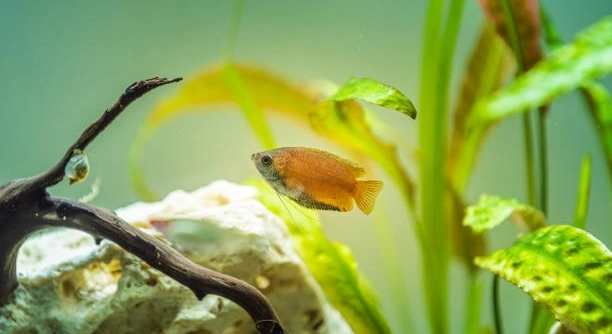
Gouramis are popular aquarium fish known for their vibrant colors and peaceful nature. Sometimes, they spend a lot of time staying near the bottom of the tank. Understanding why they do this helps keep them healthy and comfortable in their environment.
Gouramis stay at the bottom of the tank for various reasons such as stress, illness, water quality issues, or natural behavior related to resting and feeding habits. Identifying the cause is essential to ensure their well-being and proper care.
Learning about these reasons can help you provide a better home for your gourami. It also makes it easier to spot problems early and improve their environment.
Stress and Its Impact on Gourami Behavior
Gouramis often stay at the bottom when they feel stressed. Stress in fish can come from many sources, such as sudden changes in water temperature, poor water quality, or overcrowded tanks. Loud noises or frequent disturbances around the aquarium can also make them uneasy. When stressed, gouramis may hide or stay low to feel safer. This behavior helps them avoid potential threats and conserve energy. If stress is not addressed, it can weaken their immune system, making them more prone to illness. Keeping the tank environment stable and quiet, maintaining clean water, and avoiding sudden changes can reduce stress. Watching your gourami’s behavior closely helps you notice stress signs early, so you can act quickly. A calm, stable environment encourages your gourami to swim freely and stay healthy.
Stress in gouramis is often temporary but requires attention to avoid health problems. A quiet, clean tank promotes a peaceful fish.
Monitoring stress signs and improving tank conditions will create a more comfortable space for your gourami. Simple steps like proper filtration and regular water checks make a big difference. Additionally, ensuring they have plenty of hiding spots helps reduce anxiety. Stress can also cause loss of appetite and sluggish swimming, so if you see these signs, check the tank environment immediately. Reducing stress supports their natural behaviors and overall well-being.
Illness and Health Issues
When gouramis are sick, they may stay at the bottom to conserve energy and avoid moving too much. Illness can be caused by bacterial infections, parasites, or poor water conditions. Common signs include faded colors, clamped fins, or labored breathing. Early detection and treatment are important to prevent worsening. Quarantining sick fish and using proper medications can help recovery. Clean water and a balanced diet support healing. Observing your fish daily helps catch health problems before they become serious.
Sick gouramis often rest at the bottom to recover, showing signs of discomfort or weakness.
Understanding symptoms of illness in gouramis allows you to act fast. Treating water quality issues, removing aggressive tankmates, and maintaining a proper feeding schedule all contribute to faster recovery. Avoid overcrowding the tank to reduce stress and spread of disease. Sometimes, a water test is needed to identify harmful substances like ammonia or nitrites that can cause health problems. Ensuring a clean, stable environment combined with good nutrition helps your gourami fight off illnesses and regain normal behavior.
Water Quality Issues
Poor water quality causes gouramis to stay at the bottom. High ammonia, nitrite, or nitrate levels make the tank environment harmful. Unclean water stresses fish and affects their breathing.
Maintaining good water quality is essential. Regular water changes and proper filtration keep harmful chemicals low. Testing water weekly helps catch problems early. If levels of ammonia or nitrites rise, immediate action is needed. Overfeeding can pollute the tank, so feed only what your gourami can eat in a few minutes. Removing uneaten food and waste keeps the water cleaner and fish healthier. Clear, stable water encourages gouramis to swim normally.
Besides chemical issues, temperature fluctuations also impact gouramis. They prefer steady temperatures between 74-82°F (23-28°C). Sudden drops or spikes cause discomfort and bottom-dwelling behavior. Using a reliable heater and thermometer ensures the tank stays within a safe range. Proper water maintenance improves the fish’s health and encourages activity.
Natural Resting Behavior
Gouramis sometimes rest at the bottom naturally. It is part of their regular activity cycle to conserve energy.
Resting at the bottom allows gouramis to take breaks from swimming and avoid constant movement. They often choose soft substrates or plants to rest on. This behavior is normal, especially during nighttime or after feeding. It helps them regain strength and prepare for more active periods. Observing your fish’s routine will show if this resting behavior is consistent and healthy.
While resting is normal, watch for changes in behavior that may indicate stress or illness. If your gourami suddenly spends much more time at the bottom or looks weak, investigate water conditions and health. Providing a comfortable environment with hiding places encourages natural resting without worry. Recognizing the difference between rest and problem behavior helps keep your gourami happy and healthy.
Poor Oxygen Levels
Low oxygen in the tank makes gouramis stay near the bottom where oxygen might be slightly better. Poor aeration causes this issue.
Adding air stones or improving water movement increases oxygen. Keeping plants balanced helps maintain oxygen without reducing water quality.
Territorial Behavior
Gouramis can be territorial, especially males. They may stay at the bottom to guard their space or avoid conflicts with other fish. This behavior helps reduce fights and stress. Providing enough space and hiding spots lowers territorial disputes.
Feeding Habits
Gouramis sometimes stay at the bottom while searching for food. They like to eat sinking pellets or small insects found near the substrate. Watching their feeding patterns can explain this behavior.
Tank Setup
The design of the tank affects gourami behavior. Uneven terrain or lack of hiding places can cause them to stay low and feel unsafe.
Why does my gourami stay at the bottom all the time?
If your gourami stays at the bottom constantly, it may be stressed, sick, or uncomfortable with its environment. Poor water quality, incorrect temperature, or lack of hiding spots can cause this. It might also be resting or searching for food. Monitoring water parameters and behavior helps identify the reason.
Is it normal for gouramis to rest at the bottom?
Yes, gouramis do rest at the bottom sometimes. This is a natural part of their routine, especially during nighttime or after activity. They use the bottom as a quiet place to regain energy. However, consistent bottom-dwelling combined with other signs like lack of appetite or lethargy might indicate a problem.
Can water quality affect where gouramis stay in the tank?
Absolutely. Poor water quality with high ammonia, nitrites, or nitrates can stress gouramis and force them to stay at the bottom where water movement may be less harsh. Keeping the water clean through regular changes and filtration ensures they feel comfortable swimming throughout the tank.
How does stress make gouramis stay low in the tank?
Stress from sudden changes, loud noises, overcrowding, or aggressive tankmates makes gouramis seek shelter near the bottom. This behavior is a survival instinct to feel safer. Reducing stress factors like tank noise and overcrowding can encourage more active swimming.
Can low oxygen levels cause gouramis to stay near the bottom?
Yes, low oxygen can cause gouramis to stay at the bottom or near the surface where oxygen is higher. Improving aeration with air stones or increasing water circulation helps maintain healthy oxygen levels and supports normal activity.
Do gouramis stay at the bottom because of illness?
Staying at the bottom can be a sign of illness. Infections, parasites, or swim bladder problems make swimming difficult, so the fish rest low to conserve energy. Watch for other symptoms like color fading, clamped fins, or labored breathing. Quarantining and treating sick fish early is important.
Can temperature affect where gouramis spend their time?
Yes, gouramis prefer stable temperatures between 74-82°F (23-28°C). If the water is too cold or too hot, they may stay at the bottom to avoid discomfort. Using a reliable heater and monitoring temperature regularly keeps the tank stable and your gourami comfortable.
Is territorial behavior why my gourami stays at the bottom?
Sometimes. Male gouramis can be territorial and may stay at the bottom to guard their area or avoid conflicts. Providing enough space and hiding spots helps reduce territorial stress and encourages peaceful interaction.
How do feeding habits influence bottom-dwelling behavior?
Gouramis eat a variety of foods, including sinking pellets or small insects found near the substrate. They often spend time at the bottom while hunting or foraging. Ensuring a balanced diet and proper feeding schedule supports their natural habits and keeps them active.
Does the tank setup impact gourami behavior?
Yes, the layout of the tank affects where gouramis feel safe. Uneven terrain, lack of plants, or hiding spots can make them stay low to hide. Adding decorations, plants, and caves creates a comfortable environment where gouramis can explore and rest without stress.
Gouramis staying at the bottom of the tank can be a sign of many different things. Sometimes, it is simply normal behavior. Gouramis rest and conserve energy by spending time near the bottom, especially after they have been active or during quiet times. However, if this behavior lasts a long time or is combined with other signs like not eating or looking weak, it might mean something is wrong. It is important to pay attention to how your gourami acts overall to understand what is normal for them.
Water quality plays a big role in how comfortable gouramis feel in their tank. Poor water conditions, such as high levels of ammonia or nitrites, can cause stress and illness. When water is not clean, gouramis may stay at the bottom to avoid moving too much or to escape strong water currents. Keeping the tank clean by doing regular water changes and using a good filter helps prevent problems. Also, maintaining a steady water temperature within the right range supports your gourami’s health and activity. Simple steps like these make a big difference in their behavior and well-being.
Stress and illness are other common reasons gouramis stay near the bottom. Stress can come from many factors such as loud noises, sudden changes in the tank environment, or aggressive tankmates. When stressed, gouramis may try to hide or avoid swimming around. Illness often causes weakness, making the fish rest more than usual. Watching your fish closely for changes in color, fins, or breathing can help catch health problems early. Providing a calm, clean, and well-maintained environment is the best way to keep gouramis healthy and happy. Understanding these reasons makes it easier to care for your fish and enjoy their bright colors and peaceful nature.

Hello,
If you enjoy the content that we create, please consider saying a "Thank You!" by leaving a tip.
Every little bit helps us continue crafting quality advice that supports the health, happiness, and well-being of pets around the world, for pets of all shapes, sizes, and species.
We really appreciate the kindness and support that you show us!