
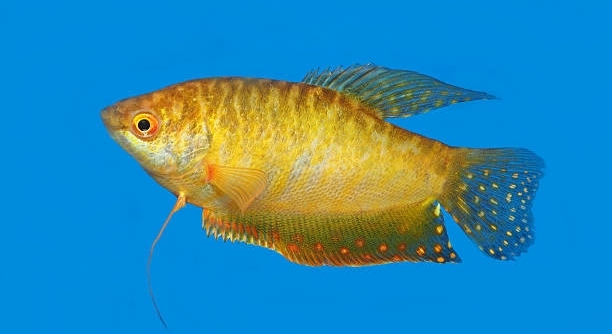
Gouramis are small freshwater fish known for their peaceful nature and unique behaviors. They use various movements to communicate with each other and their environment. Understanding these motions can offer insight into their social interactions and wellbeing.
Gouramis communicate through body postures, fin displays, swimming patterns, and bubble nest building. Each movement conveys specific messages such as territoriality, mating readiness, or warning signals to other fish in their vicinity.
Knowing how gouramis express themselves through movement helps in providing better care and creating a harmonious aquarium environment for these fascinating fish.
Body Posture and Positioning
Gouramis use their body posture and positioning to communicate various feelings and intentions. When a gourami feels threatened or wants to assert dominance, it may puff up its body, making itself appear larger. This posture is often accompanied by slow, deliberate movements to emphasize strength. Conversely, a relaxed and calm gourami usually holds its body in a smooth, streamlined shape, gliding gently through the water. Positioning within the tank is also important. Gouramis tend to maintain personal space, and when they move closer to others, it can signal curiosity or social interaction. During breeding, males often adopt a more upright and rigid posture to attract females and display readiness. Watching these subtle body language cues can help in understanding their mood and preventing aggression or stress.
This kind of movement provides clear, visual communication that helps maintain balance in their environment.
Observing how gouramis use body posture can improve interactions and reduce misunderstandings in shared tanks. Recognizing signs of stress or comfort is key to maintaining their health and social harmony.
Fin Displays and Movements
Fin movements are another important way gouramis communicate. When a gourami flares its fins, it signals territorial defense or challenges other fish. Flaring increases the visual size and is often a warning to keep distance. During mating, fins may be spread gently to attract a partner, signaling receptiveness. Fast fin movements often indicate agitation or excitement, while slow fin movements show calmness. Fins also help in navigation and balance, but the intentional use of fins in social settings plays a key role in communication.
Fin displays serve as non-verbal signals to express status, emotions, and intentions toward other fish.
Understanding the different fin signals can help aquarists respond appropriately to gouramis’ social cues. This awareness aids in reducing conflicts and encouraging natural behaviors, creating a stable environment. Watching how fins move during different interactions also reveals much about their social dynamics and mood changes. Proper tank arrangements that respect these signals can minimize stress and promote healthier relationships among fish. Keeping a close eye on fin behavior allows early detection of discomfort or illness, ensuring prompt care and support for your gouramis.
Swimming Patterns
Gouramis change their swimming patterns to send messages. Quick, darting movements usually mean they are startled or trying to escape. Slow, deliberate swimming often shows contentment or exploration.
Erratic swimming can indicate stress or discomfort. Gouramis might swim rapidly to avoid perceived threats or to chase away intruders. Gentle, smooth swimming, on the other hand, signals a relaxed and safe environment. Watching these variations helps identify their emotional state.
Recognizing changes in swimming behavior allows for early intervention if something is wrong. Adjusting tank conditions or separating aggressive fish can reduce stress. It also improves your understanding of their natural habits and social signals.
Bubble Nest Building
Male gouramis build bubble nests as part of their mating behavior. This involves blowing bubbles coated with saliva to create a floating structure at the water surface.
The nest serves as a safe place for eggs and later, for the fry. Nest building indicates readiness to breed and is a key communication method to attract females. Observing this activity shows that the male is healthy and comfortable in its environment.
Careful observation of bubble nests helps you understand your gouramis’ reproductive cycle. Providing calm, stable water conditions supports this natural behavior. It also signals the right time to introduce a female for breeding, ensuring a smoother process and better survival for offspring.
Eye Movements
Gouramis use eye movements to signal attention or interest. They often fix their gaze on objects or other fish when curious or cautious.
Sudden shifts in eye direction may indicate alertness or a response to changes in their environment. Watching these movements can reveal how engaged they are.
Mouth Movements
Mouth movements in gouramis are subtle but meaningful. Opening and closing the mouth slowly can show calmness or feeding readiness, while rapid mouth movements may indicate stress or attempts to clear debris.
These movements help communicate physical state and intentions, providing insight into their wellbeing.
Tail Flicking
Tail flicking is a quick, sharp movement used to express irritation or warning. It signals to other fish to keep distance or to show displeasure.
This behavior helps maintain personal space and reduces conflict within the tank.
FAQ
How do gouramis use movement to show aggression?
Gouramis show aggression mainly through body posture, fin displays, and tail flicking. They puff up their bodies to look bigger, flare their fins to warn other fish, and flick their tails sharply as a sign of irritation. These movements communicate dominance and help avoid physical fights by setting clear boundaries.
What does it mean when a gourami builds a bubble nest?
Bubble nest building is a sign that the male gourami is ready to breed. He creates a floating cluster of bubbles on the water surface to protect eggs and fry. This behavior shows comfort in the environment and is often accompanied by specific body and fin movements to attract a female.
Why does my gourami swim erratically sometimes?
Erratic swimming can indicate stress or discomfort. It may happen if the tank conditions change, if there is aggression from other fish, or if the gourami feels threatened. Rapid, darting movements signal that the fish wants to escape or warn others. Checking water quality and tank mates often helps reduce this behavior.
How can I tell if my gourami is calm or stressed by its movement?
Calm gouramis swim smoothly with relaxed fins and a streamlined body posture. They explore their surroundings gently and maintain personal space without sudden changes in position. Stressed gouramis display quick, jerky swimming, puff up their bodies, flare fins aggressively, or hide frequently.
Do gouramis communicate with their eyes?
Yes, gouramis use eye movements to express interest or alertness. They fix their gaze on other fish or objects when curious or cautious. Sudden changes in eye direction often indicate that the fish is aware of changes in its environment or potential threats.
Is fin flaring always a sign of aggression?
Not always. While fin flaring is often a territorial or aggressive display, it can also be part of mating behavior when males spread their fins gently to attract females. Context is important; observing other behaviors helps interpret fin movements correctly.
Why do gouramis puff up their bodies?
Puffing up is a way to appear larger and more intimidating to potential rivals or threats. It is a common sign of territorial defense or warning. However, it may also indicate discomfort if paired with rapid swimming or hiding.
What role does tail flicking play in communication?
Tail flicking is a quick, sharp signal used to express irritation or to warn other fish to keep distance. It helps maintain space and avoid conflicts, especially in crowded tanks.
Can gouramis communicate without movement?
Gouramis mainly use movement for communication, but they also produce low-frequency sounds, especially during breeding or aggressive displays. However, these sounds are less noticeable compared to their visual signals.
How can I encourage natural communication behaviors in my gourami?
Maintaining a stable, comfortable environment with proper tank size, clean water, and peaceful tank mates encourages natural behaviors. Providing hiding spots and plants also helps gouramis feel secure enough to display their typical movements.
What should I do if I notice aggressive movements between gouramis?
If aggressive displays escalate, consider increasing tank size or rearranging decorations to reduce territorial disputes. Separating particularly aggressive individuals may be necessary to prevent injury and stress.
Are bubble nests fragile?
Yes, bubble nests are delicate and can break apart with strong water currents or disturbance. Keeping the water calm and limiting tank traffic during breeding times helps preserve the nest.
How often do gouramis communicate through movement?
Gouramis communicate frequently throughout the day. Movements like swimming patterns, fin displays, and posturing are constant signals that help maintain social order and adapt to environmental changes.
Can movement patterns indicate illness?
Yes, abnormal swimming, lack of movement, or excessive hiding can signal health problems. Early observation of these changes allows for timely intervention and treatment.
Do female gouramis use movement to communicate as much as males?
Females communicate as well but often less visibly. Males typically show more pronounced movements, especially during breeding. Female movements tend to be subtler but still convey important social signals.
How can I tell if my gourami is ready to mate?
Signs include increased bubble nest building by males, more intense fin displays, and males adopting upright, rigid body postures. Females may follow males closely and respond to these movements by staying near the nest.
These questions cover many key aspects of how gouramis use movement for communication, helping to better understand and care for these fascinating fish.
Final Thoughts
Gouramis use a variety of movements to communicate with each other and their surroundings. These movements include changes in swimming patterns, fin displays, eye and mouth movements, tail flicking, and bubble nest building. Each type of movement carries a specific message, such as signaling aggression, showing readiness to breed, or indicating stress. Understanding these signals helps create a better environment for gouramis, allowing them to thrive and interact naturally.
Observing gourami behavior closely is important to identify their needs and emotions. Changes in movement can alert caretakers to health issues or problems within the tank, such as poor water quality or aggressive tank mates. Providing a calm and stable environment encourages natural communication and reduces stress. Simple actions like keeping the water clean, offering hiding places, and avoiding overcrowding support healthy social behavior among gouramis.
In summary, paying attention to how gouramis move offers valuable insight into their well-being. Movement is a key form of communication that helps them express feelings, establish territory, and interact socially. By recognizing these signs, caretakers can respond appropriately to keep gouramis healthy and comfortable in their aquatic home. This understanding fosters a positive experience for both the fish and those who care for them.

Hello,
If you enjoy the content that we create, please consider saying a "Thank You!" by leaving a tip.
Every little bit helps us continue crafting quality advice that supports the health, happiness, and well-being of pets around the world, for pets of all shapes, sizes, and species.
We really appreciate the kindness and support that you show us!