
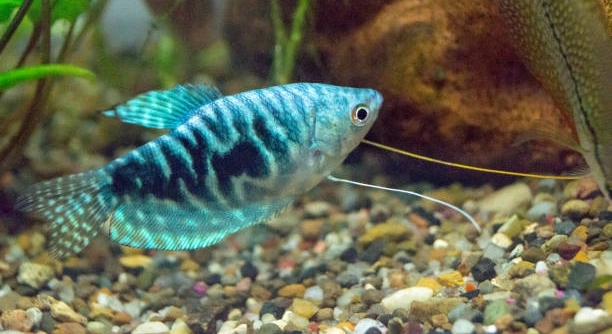
Gourami are popular freshwater fish known for their peaceful nature and unique behaviors. One common behavior observed is their tendency to follow each other around the tank. This action can seem curious to fish keepers who want to understand their pets better.
Gourami following behavior is primarily related to social interaction, establishing dominance, or exploring their environment. This behavior helps maintain group cohesion, reduce stress, and facilitate communication within their community, reflecting natural instincts in their habitat.
Recognizing why gourami follow each other provides insight into their social needs and well-being. This knowledge helps create a healthier and more balanced aquarium environment for these fascinating fish.
Social Behavior and Hierarchy in Gourami
Gourami are social fish that use following behavior to interact with each other. This activity often helps them establish a clear social hierarchy within the group. When one gourami follows another, it can be a sign of respect or submission. Dominant fish often lead while subordinate fish trail behind. This natural order reduces conflicts and creates stability in the tank. Following can also serve as a way to stay close for protection, mimicking their natural environment where staying in groups reduces the risk of predators. In addition, gourami use body language and subtle movements during this following to communicate, which is essential for maintaining group harmony. Observing this behavior can help fish keepers understand how their gourami relate to one another and whether their environment supports healthy social interactions.
Following is an important part of gourami social structure and promotes peace among tank mates.
Understanding these social cues ensures better care. It helps in arranging the tank setup and choosing compatible species to prevent stress and aggression, improving the overall health of your fish.
Environmental Factors Affecting Following Behavior
Changes in the tank environment can impact why gourami follow each other. When water conditions fluctuate or the tank feels crowded, gourami may stick closer together as a stress response. Low oxygen levels or poor water quality make fish seek safety in numbers, increasing following behavior. Tanks with insufficient hiding spots also encourage grouping for comfort. Temperature shifts affect their activity levels, sometimes causing gourami to move in small groups rather than freely. Ensuring stable water parameters, appropriate tank size, and providing adequate plants or decorations helps gourami feel secure. This reduces unnecessary following caused by discomfort. Monitoring environmental conditions regularly supports natural behavior and keeps gourami calm. Well-maintained environments allow gourami to follow each other more naturally and less out of stress.
Following behavior can indicate how gourami respond to their environment, showing signs of comfort or distress based on tank conditions.
Proper tank management reduces stress-driven following. It creates a balanced habitat where gourami display their natural social patterns without anxiety. Regular water testing, appropriate filtration, and sufficient space allow these fish to thrive. Including plants and hiding places gives them choices to interact or retreat as needed. This setup supports their health and encourages natural, calm following rather than forced grouping from poor conditions. Paying attention to these factors leads to a peaceful aquarium and a better understanding of gourami behavior over time.
Following as a Sign of Mating Behavior
Gourami often follow each other as part of their mating rituals. This behavior is more noticeable during breeding season when males and females interact closely.
Males typically follow females to court them, displaying vibrant colors and gentle movements to gain attention. This persistent following helps males show their interest and readiness to mate. Females may respond by swimming away or reciprocating the attention, depending on their readiness. This courtship behavior is essential for reproduction and ensures the continuation of the species. Observing these interactions gives insight into the breeding habits and helps maintain a suitable environment for successful spawning.
Sometimes, males may also follow rival males closely to assert dominance and compete for mates. This competitive following can cause temporary tension but is part of their natural behavior.
Following as a Stress Response
When gourami feel threatened or stressed, they tend to follow each other more closely. This behavior provides a sense of safety by keeping the group together.
Stress can result from sudden changes in the tank, such as loud noises, new fish introductions, or water quality issues. Under stress, gourami group tightly, reducing individual exposure to potential danger. This following behavior is an instinctive survival mechanism that helps them cope with uncomfortable situations. Recognizing this can help identify environmental problems early.
Providing a calm and stable environment minimizes stress. Regular maintenance, gentle handling, and consistent conditions reduce excessive following caused by anxiety. Ensuring your gourami have enough space and hiding spots also lowers stress levels, allowing them to behave naturally and comfortably.
Group Coordination and Exploration
Gourami follow each other to coordinate movement within the tank. This behavior helps them explore their environment safely and efficiently. It also encourages interaction and keeps the group cohesive.
Following allows gourami to share information about food sources or potential threats, improving their chances of survival in a shared space.
Influence of Tank Size on Following
Smaller tanks often increase following behavior because gourami have less space to swim freely. Limited space forces them to stay close together, which can increase social interaction or tension. Providing a larger tank allows gourami to spread out and reduces excessive following caused by confinement. Tank size plays a crucial role in how natural and comfortable gourami feel in their habitat.
Recognizing Healthy Following Behavior
Healthy following is calm and consistent. It shows good social interaction without signs of aggression or stress.
FAQ
Why do gourami follow each other closely?
Gourami follow each other to maintain social bonds and establish hierarchy. This behavior reduces conflicts by clarifying roles within the group. Following also provides safety, as staying together helps them feel protected. In some cases, it supports mating rituals or signals stress when conditions in the tank are not ideal.
Is following behavior normal in gourami?
Yes, following is a natural and common behavior among gourami. It reflects their social nature and communication style. When gourami follow each other calmly and without signs of aggression, it usually means they are comfortable and interacting healthily.
Can excessive following indicate a problem?
Excessive following might indicate stress, overcrowding, or poor water quality. If gourami follow each other too tightly or show signs of agitation, it could mean their environment needs adjustment. Monitoring water parameters and tank space can help reduce stress-driven following.
How does tank size affect gourami following behavior?
Smaller tanks limit swimming space, causing gourami to stay closer and follow each other more. A larger tank allows fish to explore independently, reducing excessive grouping. Proper tank size ensures natural behavior and lowers stress.
Do all gourami species follow each other the same way?
Different gourami species show varying degrees of following based on their temperament and social habits. Some are more territorial and less likely to follow, while others prefer constant interaction. Understanding your species’ behavior helps manage their environment better.
Can following behavior affect feeding?
Following often influences feeding patterns. Gourami may follow dominant fish to food sources or compete during feeding times. Observing their behavior helps ensure all fish get adequate nutrition and prevents bullying.
Is following linked to mating behavior?
Yes, during mating periods, males follow females closely as part of courtship. This behavior signals readiness to breed and helps strengthen pair bonds. Outside of breeding, following is less intense but remains a social activity.
How can I reduce stress-related following in my gourami?
Maintaining stable water conditions, avoiding sudden changes, and providing hiding spots reduces stress. A peaceful tank environment with compatible tank mates also helps. When stress is low, gourami follow naturally without anxiety.
Should I separate gourami if following seems aggressive?
If following leads to aggression or injury, separating individuals may be necessary. Sometimes overcrowding or incompatible fish cause tension. Providing more space or rehoming certain fish improves tank harmony.
What does it mean when a gourami follows another and then suddenly chases it?
This behavior shows dominance assertion or territorial disputes. Following is a way to keep track of rivals, and chasing enforces boundaries. It’s typical in establishing hierarchy but should not become harmful.
Can gourami recognize each other through following?
Gourami use following combined with visual and chemical cues to recognize tank mates. This recognition strengthens social bonds and reduces unnecessary aggression, helping maintain a balanced group.
Is following behavior affected by tank decorations or plants?
Yes, plants and decorations provide hiding places and break line-of-sight, which can reduce constant following. When gourami feel secure, they spread out more and follow less due to increased comfort.
How often should I observe my gourami’s following behavior?
Regular observation helps detect changes in social dynamics or health. Daily or weekly checks allow you to notice abnormal following, stress, or aggression early and adjust care accordingly.
Does following behavior change as gourami age?
Young gourami may follow more frequently as they learn social roles. Adults usually have established hierarchies and follow less intensely. Age and maturity influence how often and why gourami follow each other.
Can following behavior indicate illness?
Sometimes, sick gourami isolate themselves rather than follow. However, unusual clinginess or lethargic following can also suggest discomfort. Monitor other signs like appetite loss or physical changes to assess health.
What tank mates are best to keep with gourami to avoid aggressive following?
Choose peaceful, similarly sized fish that do not provoke gourami. Avoid overly aggressive or fin-nipping species. Compatible tank mates reduce tension and excessive following caused by stress or territorial disputes.
How do I encourage healthy social behavior in gourami?
Provide a spacious tank, stable water conditions, and natural décor. Maintain a proper group size to support social interactions without overcrowding. Balanced care promotes calm following and good relationships among gourami.
Is it normal for gourami to follow humans outside the tank?
Some gourami become familiar with their keepers and may swim near the glass when approached. This behavior shows curiosity and recognition rather than social following of other fish.
How does feeding schedule impact following behavior?
Regular feeding times create routine and reduce competition-driven following. Predictable feeding lowers stress and prevents aggressive chasing around food.
What should I do if following turns into bullying?
Identify the dominant fish causing distress. Separating aggressive fish or increasing tank size helps. Adding plants or hiding spots offers refuge and reduces bullying incidents.
Can following be trained or influenced?
While natural, following behavior can be gently influenced by tank setup and social groupings. Consistent care and proper environment encourage healthy interactions and reduce negative following patterns.
Final Thoughts
Gourami following each other is a natural behavior rooted in their social instincts. This action helps them establish relationships, communicate, and maintain group cohesion. Whether it is part of their mating rituals, a response to stress, or simply a way to stay connected, following is an important part of how gourami interact with their environment. Understanding this behavior can improve how you care for these fish and create a healthier tank atmosphere.
It is important to recognize when following behavior is normal and when it might signal a problem. Calm and consistent following usually means gourami are comfortable and interacting properly. However, if the behavior becomes excessive or aggressive, it might indicate stress, overcrowding, or poor water conditions. Adjusting the tank size, improving water quality, and providing hiding spaces can reduce stress and create a better environment for your gourami. Paying close attention to these details helps ensure the fish stay healthy and behave naturally.
Maintaining a balanced tank with compatible fish and proper care is essential for managing gourami behavior. Providing enough space and a stable environment allows gourami to display their natural social interactions without unnecessary tension. Observing their following patterns over time helps identify any changes in health or social dynamics early. Overall, understanding and managing gourami following behavior leads to a more peaceful tank and happier fish.

Hello,
If you enjoy the content that we create, please consider saying a "Thank You!" by leaving a tip.
Every little bit helps us continue crafting quality advice that supports the health, happiness, and well-being of pets around the world, for pets of all shapes, sizes, and species.
We really appreciate the kindness and support that you show us!