
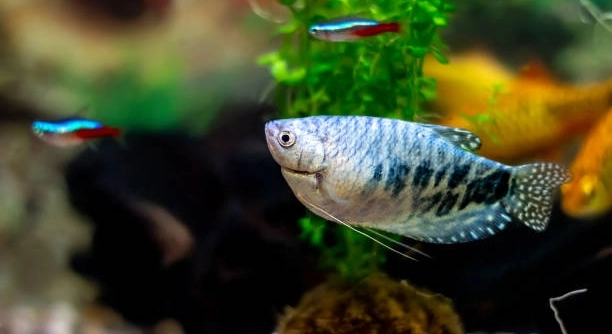
Gouramis undergo molting, a natural process where they shed their outer layer to grow. This event triggers noticeable changes in their behavior, signaling shifts in their health and comfort. Observing these changes can help keep your fish happy and healthy.
After molting, gouramis typically show increased activity, heightened territorial behavior, changes in feeding patterns, altered social interactions, and variations in swimming style. These shifts reflect the fish’s adaptation to their new physical state and environmental comfort.
Recognizing these behavioral changes helps in better care and understanding of your gourami’s needs during this sensitive phase. This article highlights the key shifts to watch for after a gourami molts.
Increased Activity and Exploration
After a gourami molts, you may notice it becomes more active and curious than usual. This increase in activity is often a sign that the fish is feeling refreshed and lighter without its old skin. It might swim around the tank more frequently, exploring different areas and checking its surroundings. This behavior helps the gourami adjust to its new skin and regain confidence in its environment. However, it’s important to watch that this increased activity doesn’t turn into stress or frantic swimming. Providing plenty of hiding spots and maintaining a stable tank environment supports the gourami during this time. The fish’s energy might fluctuate, but the overall trend is toward more movement as it recovers and adapts. Paying attention to these changes allows you to respond with better care and ensure the gourami’s comfort.
This boost in activity usually lasts a few days, then gradually returns to normal as the gourami settles into its new skin.
Supporting the gourami with a calm environment and consistent feeding during this phase can encourage healthy behavior. Avoid sudden changes in tank conditions or aggressive tank mates that could cause stress. Keep water parameters stable to prevent illness, as molting can temporarily weaken the fish’s immune system. A relaxed atmosphere helps the gourami regain strength and feel secure as it resumes normal activity.
Heightened Territorial Behavior
Gouramis tend to become more territorial after molting. This shift means they may defend their space more aggressively or stake out new areas within the tank. This behavior is a natural response to feeling vulnerable after shedding old skin. Establishing a clear territory gives the fish a sense of security while it adjusts to its changed body. It might chase away other fish or display flaring fins as a warning. If you keep multiple gouramis together, watch for increased conflicts and be ready to separate them if needed. Understanding this change helps prevent unnecessary stress or injury among tank mates. Providing plenty of space and visual barriers can reduce territorial disputes. Monitoring this behavior ensures the gouramis can coexist peacefully during their recovery period.
Changes in Feeding Patterns
After molting, gouramis often eat less or become picky about food. This reduced appetite happens because their bodies focus energy on healing and adjusting rather than digestion. It’s normal to see them nibble slowly or refuse food for a short period after molting.
During this time, offering smaller, more frequent meals of easily digestible food can help. Avoid overfeeding, as uneaten food can pollute the tank and cause stress. Some gouramis may prefer live or frozen foods that feel more natural and enticing. Keeping an eye on their eating habits allows you to adjust feeding to support recovery and avoid health issues related to poor nutrition.
If the gourami’s appetite doesn’t improve after several days, check water quality and tank conditions. Poor water or illness can worsen appetite loss, so timely intervention is important. Providing a balanced diet rich in vitamins supports skin regeneration and overall health after molting.
Altered Social Behavior
Gouramis may become less social after molting, spending more time alone or hiding. This change helps them avoid unnecessary stress while their new skin hardens and they regain strength. During this period, they might interact less with tank mates or hide in plants and decorations to feel safe.
It’s helpful to provide plenty of hiding spots and reduce tank disturbances. Avoid introducing new fish or rearranging the tank, as this can cause extra stress. Some gouramis gradually return to their usual social behavior as they recover, while others stay more reserved for a longer time.
Understanding these social shifts helps you create a calm environment that supports the gourami’s healing process. Monitoring interactions ensures tank mates don’t bully or chase the recovering fish, which could delay recovery or cause injury. Patience and careful observation make a big difference during this sensitive stage.
Changes in Swimming Style
Gouramis often swim more cautiously right after molting. Their movements may seem slower or more deliberate as they adjust to their new skin. This careful swimming helps prevent injury during this vulnerable time.
Over a few days, swimming usually returns to normal as the fish feels stronger and more comfortable.
Increased Hiding Behavior
It is common for gouramis to hide more after molting. They seek quiet spots to protect themselves while their skin hardens and they regain energy. Hiding reduces stress and helps them recover safely.
Sensitivity to Light
After molting, gouramis can become more sensitive to bright light. They may avoid well-lit areas and prefer shaded or dim parts of the tank. This behavior helps reduce discomfort and stress as their new skin adjusts.
Rest Periods
Gouramis tend to rest more often following a molt. These extra rest periods support healing and energy recovery. Giving them a calm tank environment encourages this necessary downtime.
How long does it take for a gourami to recover after molting?
Recovery time varies but usually takes about one to two weeks. During this period, the gourami’s new skin hardens and it regains strength. You might see changes in activity, appetite, and behavior during this time. Providing a calm environment and stable water conditions supports a smooth recovery.
If the gourami shows signs of stress or illness beyond two weeks, it’s a good idea to check water quality and diet. Sometimes underlying problems can slow recovery. Patience and gentle care help the fish bounce back.
Is it normal for a gourami to stop eating after molting?
Yes, a temporary decrease in appetite is common. Molting requires energy, and the fish’s body focuses on healing rather than eating. This can last a few days up to a week. Offering smaller meals and gentle foods like live or frozen options can encourage eating.
If appetite loss continues beyond a week, check for water issues or illness. Lack of eating can weaken the fish and delay healing, so early attention is important.
Can molting cause aggression in gouramis?
Molting can trigger increased territorial behavior, which might look like aggression. The fish may defend its space more strongly or chase tank mates to feel secure. This is natural during recovery when gouramis feel vulnerable.
Providing enough space, hiding spots, and visual barriers helps reduce conflicts. If aggression becomes harmful, consider separating fish temporarily. Understanding this behavior lets you manage tank dynamics more easily.
What tank conditions support gouramis after molting?
Stable water parameters are essential. Keep temperature, pH, and ammonia levels steady to avoid stressing the fish. Clean water supports healing and prevents infections. Moderate lighting and plenty of plants or decorations create safe hiding places.
Avoid sudden changes like new fish, rearranging the tank, or strong water currents. These can stress a molting gourami and slow recovery. Consistent care helps the fish adjust smoothly.
How often do gouramis molt?
Gouramis molt irregularly, often during growth spurts or when adapting to new environments. Younger gouramis molt more frequently, while adults molt less often. Each molt allows them to shed old skin and stay healthy.
Watching for behavioral changes helps spot when molting occurs. Knowing their molting patterns aids in providing proper care at the right times.
Can molting lead to health problems in gouramis?
Molting itself is natural and healthy, but it can expose gouramis to risks. Soft, new skin is sensitive to infections and injuries. Stress from poor water or aggressive tank mates can cause complications.
Maintaining clean water, balanced diet, and a calm tank reduces risks. Early detection of unusual behavior or illness is key to preventing serious issues.
What should I feed a gourami after molting?
Offer easily digestible foods in small amounts. Live or frozen foods like brine shrimp or bloodworms are good choices since they encourage natural feeding behavior. Avoid heavy or hard-to-digest foods during this sensitive period.
Regular, gentle feeding supports energy and skin regeneration. Adjust portions based on the gourami’s appetite and watch for leftovers to keep the tank clean.
Is it normal for gouramis to hide more after molting?
Yes, hiding is a common behavior after molting. Gouramis feel vulnerable with soft new skin and seek shelter to avoid stress or attacks from other fish. Providing plenty of plants and decorations helps them feel safe.
If hiding lasts too long or is accompanied by other signs of distress, it might indicate health issues. Careful observation is important.
How can I tell if my gourami is molting or sick?
Molting involves specific signs like shedding skin, behavioral changes (reduced appetite, hiding), and cautious swimming. Illness may include abnormal spots, lethargy, or rapid breathing.
Regular tank maintenance and observation help differentiate between normal molting and sickness. Consult a vet or aquarium expert if unsure or if symptoms worsen.
Should I separate my gourami while it molts?
Separating is not always necessary but can be helpful if tank mates are aggressive. Isolation prevents stress and injuries during the vulnerable molting phase. Use a quiet, comfortable space with stable water conditions.
If your gourami lives peacefully with others, ensure enough hiding spots and space instead. Monitor interactions closely to decide what’s best.
Molting is a natural and important part of a gourami’s life. It helps them grow and keeps their skin healthy. After molting, gouramis go through several changes in behavior that show how their bodies adjust to the new skin. These changes include swimming differently, hiding more, eating less, and sometimes acting more territorial. Understanding these behaviors helps you take better care of your fish during this sensitive time. By watching closely and making small adjustments in their environment, you can support their recovery and keep them comfortable.
Taking care of a gourami after molting means keeping the tank conditions stable and peaceful. Clean water, steady temperature, and plenty of hiding spots are key to reducing stress. You should also be patient if your gourami eats less or avoids other fish for a little while. These behaviors are normal as they regain strength and adjust to their new skin. Offering gentle, easy-to-eat food in small amounts encourages healthy eating without overloading their system. Avoid sudden changes in the tank, like adding new fish or rearranging decorations, because these can make your gourami feel unsafe.
In the end, knowing what to expect after your gourami molts helps you respond with the right care. Molting is a time when gouramis need a little extra attention, but with a calm tank and steady routine, they will return to their usual behavior soon. Watching for signs of trouble, like long-term loss of appetite or injury, is important so you can act quickly if needed. With gentle care and a good environment, your gourami will grow strong and healthy after each molt.

Hello,
If you enjoy the content that we create, please consider saying a "Thank You!" by leaving a tip.
Every little bit helps us continue crafting quality advice that supports the health, happiness, and well-being of pets around the world, for pets of all shapes, sizes, and species.
We really appreciate the kindness and support that you show us!