
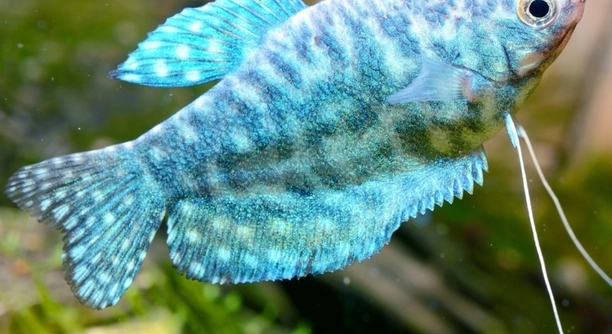
Gouramis are peaceful fish, but they still need space to feel secure. Understanding how they show boundaries can help you create a calm environment for them. These signals are important for their well-being and social balance.
Gouramis use specific behaviors like flaring fins, changing color, and swimming patterns to establish personal space and avoid conflicts with others. These cues help maintain order in their territory and reduce stress in their aquatic environment.
Recognizing these signs can improve your care for gouramis and keep your aquarium peaceful and healthy for all its inhabitants.
Fin Flaring as a Warning
When a gourami flares its fins, it is trying to make itself look bigger and more intimidating. This behavior is common when the fish feels its space is being invaded. The raised fins signal other fish to keep their distance. You might notice the dorsal and pectoral fins spread wide, sometimes combined with the fish raising its body slightly. This is a clear sign of discomfort or a desire to protect its territory. It’s important to watch for this cue because repeated fin flaring can lead to stress or fights if ignored. Ensuring each gourami has enough room in the tank reduces the need for these warnings. Also, hiding spots and plants help them feel safe, lowering the chance of aggressive displays. Fin flaring is not always about fighting; sometimes, it’s just a reminder to respect their boundaries.
This behavior is easy to spot and can prevent bigger problems if addressed early.
By observing fin flaring carefully, you can better manage tank space and minimize conflicts. Providing a peaceful environment benefits all your fish.
Color Changes as a Signal
Color changes in gouramis can indicate stress or a warning to others.
When a gourami feels threatened or wants to show dominance, its colors may become brighter or darker. These shifts are visual signals to communicate mood and territorial limits. Brightening colors often mean the fish is trying to warn others to stay away. On the other hand, dull or faded colors might suggest submission or stress. Watching for these changes can help you understand when a fish feels uncomfortable. It is useful to compare color shifts with other behaviors like fin flaring or chasing. If multiple signs appear, it might be time to adjust the tank environment. Adding plants or rearranging decorations can reduce stress and give gouramis more personal space. Being attentive to color changes helps prevent aggression and keeps your fish happier in the long term. Color is a natural way gouramis say “back off” without physical fights.
Swimming Patterns and Space
Gouramis use swimming movements to show their boundaries. Rapid swimming or sudden turns often warn others to stay away.
These fish may swim in tight circles or dart quickly near intruders to signal discomfort. This behavior is a way to assert control over their area without direct aggression. Observing these patterns helps you spot tension early. It’s helpful to provide enough room for each gourami to move freely without feeling crowded. When space is limited, these warning swims become more frequent and stressful for the fish. Monitoring their swimming behavior can guide you in rearranging the tank or adding barriers like plants to create natural boundaries.
In some cases, gouramis will patrol their territory by swimming back and forth along a specific path. This regular movement reinforces their control of the space and reminds other fish to keep their distance.
Bubble Nest Building
Male gouramis build bubble nests to protect their territory and attract mates. This behavior is a clear sign they are marking their space.
Bubble nests are clusters of bubbles that float on the water’s surface. The male creates these nests by blowing air bubbles coated with saliva. Building a nest shows dominance and a strong claim to the area. Other gouramis usually avoid the nesting site to prevent conflict. If multiple males are in the same tank, bubble nests can lead to territorial disputes. Observing the nests helps you understand the social structure within your aquarium. If aggression rises, separating males or providing more hiding spots can reduce stress. The bubble nest is both a protective home for eggs and a clear boundary marker in the tank.
Mouth Locking
Mouth locking is a way gouramis test each other’s strength without causing serious harm. It usually happens between males competing for territory or dominance.
This behavior looks like a gentle wrestling match where they lock mouths and push. It’s a warning more than a fight.
Chasing Behavior
Gouramis chase intruders away from their space by swimming quickly after them. This action enforces boundaries and keeps other fish at a safe distance. Chasing is often brief but can escalate if ignored. Watching for this helps you identify which gourami is feeling territorial or threatened.
Gill Flaring
Gill flaring is a sign gouramis are feeling defensive or aggressive. When they flare their gills, they appear larger and more intimidating to others nearby. This behavior often precedes other boundary displays like chasing or fin flaring. Watching for gill flaring helps prevent fights before they start.
How do I know if my gourami is stressed from boundary issues?
Signs of stress in gouramis due to boundary conflicts include constant hiding, faded colors, and unusual swimming patterns. You might also notice excessive fin flaring or chasing between fish. If they stop eating or seem lethargic, these can be additional clues. Stress often appears when the tank is overcrowded or lacks enough hiding spots, causing fish to feel threatened and unable to establish comfortable personal space.
What should I do if my gouramis are constantly fighting?
First, check the tank size and layout. Gouramis need enough space to claim territories and retreat when needed. Adding plants, decorations, or dividers can help create natural barriers and reduce tension. If fighting continues, consider separating aggressive individuals or keeping only one male per tank to minimize territorial disputes. Monitoring behavior regularly allows you to intervene before fights cause injury.
Can boundary behaviors harm my gouramis?
Some boundary behaviors, like fin flaring or gill flaring, are harmless warnings. However, if ignored, these signs can escalate to chasing or mouth locking, which might cause injuries. Prolonged stress from constant conflicts can weaken the immune system, making fish more prone to illness. Keeping an eye on these signals helps prevent serious harm.
Why do male gouramis build bubble nests?
Male gouramis build bubble nests to attract females and protect their eggs. This behavior also marks their territory and signals other males to keep away. Nest building is a natural and important part of their reproductive cycle, showing dominance and readiness to breed.
How can I create a peaceful environment for gouramis?
Provide plenty of hiding spots with plants or decorations. Make sure the tank is spacious enough for each fish to have its own area. Avoid overcrowding and keep only one dominant male per tank if possible. Regularly observe your gouramis’ behavior to catch early signs of stress or aggression.
Do gouramis always need to establish boundaries?
Yes, even peaceful gouramis establish boundaries to feel secure. These boundaries help reduce stress and aggression by defining personal space within the tank. Recognizing and respecting these cues keeps the social order balanced and your fish healthy.
Are all gourami species territorial?
Most gouramis show some territorial behavior, especially males. The level of aggression varies by species, but boundary-setting is common across types. Understanding your gourami species’ typical behavior helps you prepare the right environment to minimize conflicts.
Can tank mates affect gourami boundary behavior?
Yes, other fish in the tank can influence gouramis’ territorial actions. Aggressive or fast-moving tank mates may stress gouramis, increasing boundary displays. Choosing peaceful, compatible species and providing enough space reduces tension and helps gouramis feel safe.
How often should I rearrange my gourami tank?
Rearranging the tank occasionally can help reset territories and reduce ongoing conflicts. However, do this gradually to avoid stressing the fish. Changing decorations or adding plants every few weeks encourages natural exploration and can improve harmony.
What if my gouramis ignore each other’s boundaries?
Ignoring boundaries usually leads to increased fighting and stress. If this happens, it’s a sign the tank setup or stocking is unsuitable. Take steps to increase space, add hiding places, or separate aggressive fish to restore peace. Monitoring their interactions is key to preventing damage.
Understanding how gouramis establish boundaries is important for keeping them healthy and calm. These fish use many subtle signals like fin flaring, color changes, and swimming patterns to show where their space begins and ends. When these cues are respected, gouramis feel more comfortable in their environment. It helps reduce stress and fights, which can harm their health. Watching these behaviors carefully can guide you in arranging the tank to meet their needs.
Creating a peaceful aquarium is about giving gouramis enough space and places to hide. Overcrowding often causes boundary issues, leading to aggression and stress. Adding plants and decorations helps break up the tank into smaller territories. Male gouramis especially need their own area, or they may become more aggressive. Keeping an eye on how your fish interact allows you to make changes before problems get worse. Sometimes separating aggressive fish or adjusting the tank setup is necessary for harmony.
In the end, understanding gouramis’ boundary cues leads to a happier tank for everyone. These behaviors are natural and part of how gouramis live together. By learning to recognize and respect these signs, you help your fish feel safe and secure. Taking time to observe them will improve their quality of life and make your aquarium a peaceful place. With proper care and attention, your gouramis can thrive without constant conflict.

Hello,
If you enjoy the content that we create, please consider saying a "Thank You!" by leaving a tip.
Every little bit helps us continue crafting quality advice that supports the health, happiness, and well-being of pets around the world, for pets of all shapes, sizes, and species.
We really appreciate the kindness and support that you show us!