
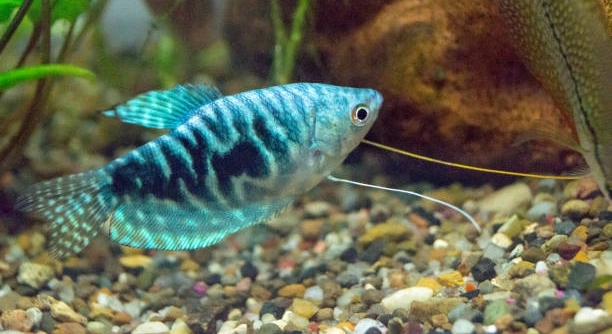
Many gourami owners notice their fish rubbing or scratching against decorations or tank surfaces. This behavior can be surprising and sometimes worrying. Understanding why gouramis do this helps keep them healthy and comfortable in their environment.
Gouramis scratch on objects primarily due to irritation caused by external parasites, poor water quality, or stress. These factors can trigger discomfort, prompting the fish to rub against surfaces to relieve itching or remove irritants. Identifying the cause is key to addressing the problem effectively.
Learning about common causes and signs of this behavior can improve your gourami’s well-being. The following information will help you recognize potential issues and take steps toward a healthier tank environment.
Common Causes of Gourami Scratching Behavior
Gouramis often scratch on objects because of irritation from parasites like ich or flukes. These tiny pests latch onto their skin, causing discomfort that makes the fish rub against tank surfaces. Another frequent cause is poor water quality. High levels of ammonia, nitrites, or nitrates can irritate the fish’s skin and gills. Stress also plays a role; overcrowding, sudden changes in temperature, or an aggressive tank mate can make gouramis anxious, leading to scratching. Sometimes, the fish may be exploring their environment or cleaning themselves, but frequent rubbing usually signals a problem. Checking water parameters regularly and observing tank conditions closely can help catch issues early before they worsen.
Watching for signs of illness and maintaining a clean, stable tank is important for preventing scratching. Early action can avoid more serious health problems for your gourami.
Understanding these causes helps you provide a better environment for your fish and respond quickly when scratching begins.
Identifying Parasites on Your Gourami
Parasites often show visible signs like tiny white spots or patches of missing scales. Gouramis may also become lethargic or lose appetite. Careful inspection is necessary to spot early infestations and start treatment right away.
Parasite treatments usually involve medicated baths or adding aquarium-safe medicines to the water. It’s important to follow instructions carefully to avoid harming the fish or beneficial bacteria in the tank.
Regular tank maintenance and quarantine of new fish can help prevent parasite outbreaks. Keeping your gourami healthy depends on recognizing these signs early and acting quickly to control parasites.
Water Quality Issues and Their Impact
Poor water quality can cause gouramis to scratch frequently. High ammonia, nitrite, or nitrate levels irritate their skin and gills, making them uncomfortable and stressed.
Maintaining stable water parameters is essential for your gourami’s health. Test the water regularly for ammonia, nitrites, and nitrates. Perform partial water changes to keep these levels low. Overfeeding can increase waste, so feeding small amounts is better. Proper filtration also helps remove harmful substances and keeps the water clean. If water conditions worsen, gouramis may develop infections or other health problems. Keeping the tank clean and balanced reduces irritation and scratching behavior.
Watch for cloudy water or unusual odors, as these often signal poor conditions. Adjust care routines as needed to provide a safe environment.
Stress and Behavioral Causes
Stress from overcrowding or aggressive tank mates can cause gouramis to scratch themselves against objects. These factors increase anxiety and discomfort in the fish. Environmental changes, like sudden temperature shifts, also contribute.
Stress weakens the immune system and can lead to illness or injury. Providing hiding spots and enough space reduces stress. Avoid placing incompatible fish together, as conflicts cause frequent stress. Consistent tank conditions, including temperature and lighting, help maintain calm behavior. Observing your gourami’s interactions with other fish can reveal if stress is a factor. Addressing these issues promptly prevents long-term harm and reduces scratching.
A stable, peaceful tank helps gouramis feel secure and lowers unwanted behaviors.
Physical Injuries and Scratching
Gouramis may scratch on objects if they have minor injuries or irritated skin. Sharp decorations or rough surfaces can cause cuts or abrasions. These injuries lead to rubbing as the fish tries to soothe discomfort.
Removing sharp or rough items from the tank helps prevent further damage. Smooth decorations are safer and more comfortable for your fish to explore.
Improving Tank Environment
Keeping the tank clean and well-maintained lowers the chance of scratching. Regular water changes and gentle filtration reduce irritants. Adding live plants provides hiding spots and reduces stress for gouramis. A balanced diet also supports skin health and immune function, helping prevent irritation and injury.
When to Seek Veterinary Help
If scratching persists despite good care, professional advice may be needed. A vet can diagnose infections or diseases that require treatment. Early intervention prevents serious health issues.
FAQ
Why does my gourami keep scratching even though the water looks clean?
Even if the water looks clear, there may be invisible irritants like ammonia or nitrites causing discomfort. These chemicals can build up quickly in small amounts and irritate your fish’s skin and gills. It’s important to test the water regularly using an aquarium test kit to make sure levels are safe. Other causes could be hidden parasites or stress from tankmates. A thorough check of water parameters, tank conditions, and fish behavior can help identify the issue.
Can stress alone cause my gourami to scratch?
Yes, stress is a common reason for scratching. Factors such as overcrowding, aggressive tankmates, sudden temperature changes, or loud noises can stress gouramis. When stressed, their immune systems weaken, making them more prone to irritation and illness. Providing a calm environment with plenty of hiding spots and stable water conditions helps reduce stress and scratching behavior.
How do I know if my gourami has parasites?
Signs of parasites include white spots, red marks, or missing scales. Your fish might also rub more often, breathe rapidly, or lose appetite. Parasites like ich or flukes irritate the skin and gills, causing scratching. If you suspect parasites, isolate the affected fish and treat the tank with an appropriate medication to prevent the spread.
Are certain decorations better to prevent scratching?
Yes, smooth decorations and plants are safer choices. Avoid sharp or rough objects that can cause cuts or abrasions. Natural-looking decorations with rounded edges allow gouramis to explore without injuring themselves. Live plants also improve water quality and provide hiding spots, which can reduce stress-related scratching.
How often should I test my tank water?
Testing water weekly is a good routine, especially for ammonia, nitrite, nitrate, and pH levels. New tanks or those with sick fish may need more frequent checks. Keeping water parameters stable prevents irritation and health problems that cause scratching. Regular water changes based on test results help maintain a healthy environment.
What is the best way to treat scratching caused by poor water quality?
The first step is improving water quality through partial water changes and cleaning the filter. Reducing feeding amounts helps lower waste buildup. Using a water conditioner can neutralize harmful chemicals. If levels remain high, consider upgrading your filtration system. Consistent maintenance prevents recurring problems that lead to scratching.
Can diet affect scratching behavior in gouramis?
Yes, a poor diet can weaken the immune system, making your fish more sensitive to parasites and skin problems. Feeding a balanced diet with high-quality flakes, pellets, and occasional live or frozen foods supports overall health. Supplements like vitamins or algae can improve skin condition, reducing irritation and scratching.
When should I consult a vet for my gourami?
If scratching continues after addressing water quality, parasites, and stress, it’s time to seek veterinary advice. Persistent scratching may indicate bacterial or fungal infections needing medication. A vet can diagnose specific conditions and recommend treatments to help your gourami recover quickly.
Is it normal for gouramis to scratch occasionally?
Occasional rubbing or scratching is normal behavior. Fish sometimes clean themselves or explore their environment. However, frequent or aggressive scratching signals a problem. Watching how often and in what context your gourami scratches can help you decide when action is needed.
Can changing tank mates reduce scratching?
Yes, sometimes aggression or bullying from other fish causes stress that leads to scratching. Observing tank interactions helps identify troublemakers. Separating aggressive fish or choosing more peaceful species can create a calmer environment and reduce stress-induced scratching.
How can I prevent my gourami from scratching in the future?
Regular maintenance, stable water conditions, proper diet, and a stress-free environment are key. Quarantine new fish before adding them to your tank to avoid introducing parasites. Choose appropriate tank mates and provide hiding spots. Monitoring your gourami’s health daily helps catch issues early before scratching becomes a problem.
Final Thoughts
Taking care of your gourami means paying attention to their behavior, especially when they start scratching on objects. This behavior is often a sign that something isn’t quite right in their environment. It could be irritation caused by parasites, poor water quality, or stress. By keeping the tank clean and stable, testing the water regularly, and providing a calm space for your fish, you can reduce the chances of them scratching frequently. Remember, small changes in the tank or water can make a big difference in your gourami’s comfort and health.
It’s important to observe your gourami closely and look for any other signs of illness, such as spots, missing scales, or changes in appetite. Sometimes scratching is normal when the fish is exploring or cleaning itself, but if it becomes constant or rough, it needs attention. Taking quick action by checking water conditions and looking for parasites can prevent more serious problems. Providing good nutrition and a balanced diet also supports your fish’s immune system and skin health, helping to avoid irritation that leads to scratching.
If you ever feel unsure about why your gourami is scratching or how to help, consulting a vet who specializes in fish can be very useful. They can diagnose any infections or diseases that might be causing discomfort and recommend the right treatment. Keeping your gourami healthy takes some effort, but the reward is a happy, active fish that thrives in its home. Paying attention to their needs and environment will ensure they live comfortably and show less scratching behavior.

Hello,
If you enjoy the content that we create, please consider saying a "Thank You!" by leaving a tip.
Every little bit helps us continue crafting quality advice that supports the health, happiness, and well-being of pets around the world, for pets of all shapes, sizes, and species.
We really appreciate the kindness and support that you show us!