
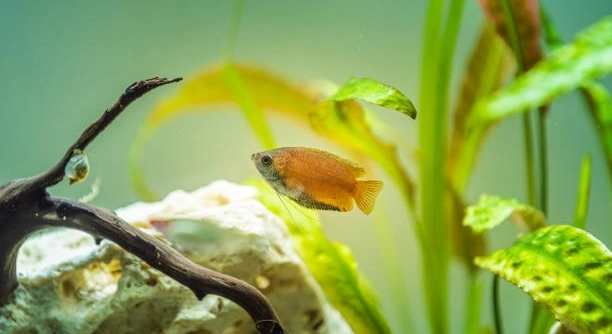
Is your gourami spending most of its time hiding behind plants or hovering in one spot, barely moving around the tank?
Gourami tend to act timid due to factors like poor tank setup, incompatible tank mates, lack of hiding spots, or environmental stress. Addressing these specific areas can help your gourami feel more secure, confident, and active.
Simple changes to your aquarium setup and care routine can make a big difference in your gourami’s behavior and comfort.
Add More Hiding Spaces
Gourami often feel nervous when they don’t have enough places to hide. Adding caves, plants, driftwood, or aquarium decorations gives them cover, which can reduce stress. Live or artificial plants work well, especially tall or floating ones. These structures create shaded areas that make your gourami feel protected. Position hiding spots in multiple parts of the tank so your fish can move around without feeling exposed. It’s also helpful to break up lines of sight to make the tank feel more private. When gourami know they have a place to retreat, they’re more likely to come out and explore. You don’t need to overcrowd the tank—just enough coverage to give them confidence. Decorations should be safe, with no sharp edges, and cleaned regularly to prevent buildup. Over time, the added security these spots offer can lead to noticeable changes in how your gourami interacts in the tank.
A secure environment helps timid gourami gain confidence and encourages them to swim more freely throughout the tank.
You may start noticing your gourami spending less time hiding and more time near the front of the tank. Once they feel safe, their natural curiosity begins to show. Their movements become steadier, and feeding behavior also improves. A confident gourami is easier to observe and interact with.
Keep the Tank Calm
Sudden movements and loud noises can make gourami anxious, especially if their tank is in a busy location.
It’s important to place the tank in a quiet spot away from slamming doors, high foot traffic, or noisy equipment. Bright lighting should also be kept moderate, with gradual changes if you’re adjusting intensity. Sudden shifts in lighting can make them dart or hide. If your filter produces strong currents, consider using a sponge pre-filter or adding plants to buffer the flow. Gourami prefer slow-moving water that mimics their natural habitat. Keeping the tank calm doesn’t mean you have to isolate it—but reducing sensory stress makes a big difference. Also, avoid tapping on the glass, as this often causes panic. Children or pets hovering over the tank can also increase skittishness. The calmer the surroundings, the more likely your gourami will feel safe enough to come out regularly. Over time, you’ll see them acting more relaxed and responsive.
Adjust Tank Mates Carefully
Gourami often become timid when kept with aggressive or overly active fish. Avoid fast swimmers or species known to nip fins. Peaceful tank mates help maintain a calm environment that makes gourami feel safe and encourages natural behavior.
When choosing tank mates, focus on species that prefer similar water conditions and have mild temperaments. Harlequin rasboras, corydoras catfish, and small tetras are generally good options. Avoid barbs or larger cichlids, as they may chase or stress your gourami. Introducing new fish gradually is important. Use a quarantine tank first, and rearrange decorations when adding new fish to disrupt territorial behavior. Monitor closely for the first few days to see how your gourami responds. A stressed fish may hide more, stop eating, or display faded colors. If this happens, reassess the group. Creating a balanced community will reduce tension and let your gourami feel more comfortable exploring and interacting.
Even peaceful fish can become bothersome if there are too many in the tank. Overstocking leads to competition for food and hiding places, which increases stress. Always follow stocking guidelines based on tank size and species needs. If needed, remove overly dominant individuals. It’s better to keep a slightly understocked tank with compatible fish than to overcrowd it. A calm, predictable environment encourages timid gourami to feel safe enough to explore and feed normally. Their behavior tends to improve when the social dynamic in the tank is relaxed and stable. Reducing social stress is one of the most effective ways to make shy fish more confident.
Keep Lighting Low and Consistent
Bright, direct lighting can make gourami feel exposed and nervous. Stick to softer lighting or float plants at the surface to filter light. A consistent lighting schedule also helps them feel more secure.
Set up your aquarium light on a timer to provide a steady day-night cycle, usually 8 to 10 hours of light daily. Avoid sudden on/off changes—gourami react better to gradual lighting transitions, which mimic natural dawn and dusk. Floating plants like water lettuce or hornwort help diffuse the brightness and create comfortable shaded zones in the tank. If your lighting is too harsh or unpredictable, your gourami may spend more time hiding, become less active, or show paler colors. Choose bulbs that offer gentle light rather than high-intensity beams. If your tank is in a naturally bright room, consider placing it where sunlight won’t hit it directly. Keeping the light consistent gives your gourami a stronger sense of routine.
Feed Them Gently and Regularly
Loud or rushed feeding can make gourami anxious. Use slow, gentle motions when adding food and avoid tapping or sudden movements near the tank. Feed at the same time daily to help them feel more secure and build a routine.
Floating foods are ideal for gourami since they feed at the surface. Choose small pellets, flakes, or freeze-dried options that are easy to eat. Watch them during feeding—timid fish might wait until you step away. If needed, try feeding a small amount, backing off, then offering more once they approach.
Keep Water Conditions Stable
Clean, stable water is essential for helping gourami feel calm and comfortable. Sudden changes in temperature, pH, or ammonia levels can make them hide more often. Use a reliable heater and filter, and perform regular water changes. Test your water weekly to catch problems early and avoid stress-related behavior.
Limit Reflections in the Tank
Gourami may react to their reflection, mistaking it for another fish. This can cause them to hide or act aggressively. Use a background on the tank and adjust lighting angles to reduce reflections on the glass, especially during the day.
FAQ
Why is my gourami always hiding?
Gourami often hide when they feel unsafe or overwhelmed. This can be due to strong lighting, aggressive tank mates, sudden movements near the tank, or unstable water conditions. A lack of hiding spots or plants can also contribute to their timid behavior. If your gourami hides most of the time, try dimming the light, adding more plants or decorations, and checking the water quality. You may also need to adjust the other fish in the tank. A calm, low-stress setup can help your gourami feel safe enough to come out more often.
How long does it take for gourami to feel comfortable in a new tank?
It usually takes a few days to a couple of weeks for a gourami to settle into a new environment. During this time, they may appear shy or inactive. Keep the tank calm, avoid sudden changes, and give them plenty of places to hide. Try not to disturb them too much in the beginning. Feeding gently and on a routine schedule can also help. If the tank is properly cycled and the setup feels safe, your gourami should start to explore more as they adjust.
Can I keep more than one gourami together?
Yes, but it depends on the species and tank size. Some gourami, like dwarf gourami, do well in pairs or small groups, while others, like three-spot or pearl gourami, can be territorial. Males tend to be more aggressive, so keeping one male with females or only females usually works better. Always make sure the tank is large enough to give them space to avoid each other when needed. Plenty of plants and hiding spots also help reduce tension and make timid gourami feel more secure.
What tank size is best for shy gourami?
For most gourami, a tank of at least 20 gallons is a good start. Larger species may need more space. A wider tank with room to swim horizontally is better than a tall one. The extra space allows your gourami to explore without feeling cornered. It also helps reduce stress from other fish. A well-decorated tank with live or silk plants, driftwood, and caves offers safety and lets your gourami choose where to spend their time. The more comfortable they feel in their space, the less timid they will act.
Why won’t my gourami eat when I’m nearby?
Some gourami are shy and feel nervous with movement near the tank. If they don’t eat while you’re watching, try feeding a small amount, then stepping back. Once they feel it’s safe, they’ll usually come up to eat. Over time, they may get used to your presence and eat with you nearby. Make sure the food is floating at the surface and easy for them to reach. Avoid overfeeding or letting food sink uneaten. A calm, quiet environment during feeding time helps shy gourami gain more confidence.
Do gourami like having tank mates or being alone?
Most gourami are social to some degree but prefer peaceful tank mates. Aggressive or fast-swimming fish can make them nervous. If kept alone in a well-decorated tank, they can still thrive, especially if you’re interacting gently with them. However, when paired with the right species, gourami tend to be more active and curious. Choose quiet, calm fish that don’t compete for the same space. Even in a community, your gourami will appreciate having its own area with plants or hiding spots. Comfort and safety matter more than the number of fish in the tank.
Final Thoughts
Helping your gourami become less timid doesn’t require anything fancy. Small, steady changes to their tank and routine can make a big difference. Things like adding plants, using soft lighting, or even giving them more time to adjust can help them feel safer. Each gourami is different, and some take longer than others to open up. The key is to stay patient and make their space feel calm and familiar. If your gourami is hiding or acting nervous, it’s usually a sign that something around them feels off. Once they feel more secure, they’ll slowly become more active and confident in the tank.
It’s also helpful to look at the tank as a whole. Tank mates, layout, feeding habits, and your own movements around the tank all play a role. A loud room or fast-moving fish can keep your gourami on edge. Softening the environment, moving slowly when near the tank, and offering consistent feeding times can help build trust. Over time, your gourami will recognize that they’re not in danger and will start to explore more. You don’t need to force anything—just give them the space and time they need. Simple actions often lead to the best results when dealing with shy or sensitive fish.
In the end, what matters most is creating a space where your gourami feels safe. Their timid behavior isn’t a flaw—it’s just how they respond to new or uncertain situations. With the right setup and a gentle routine, you can bring out their curious side. Watching them swim more freely, respond to your presence, or eat with more confidence is a rewarding part of fishkeeping. Keep checking in on their environment and behavior, and make small improvements as needed. If you stay consistent, your gourami will likely become less timid and more comfortable with their surroundings.

Hello,
If you enjoy the content that we create, please consider saying a "Thank You!" by leaving a tip.
Every little bit helps us continue crafting quality advice that supports the health, happiness, and well-being of pets around the world, for pets of all shapes, sizes, and species.
We really appreciate the kindness and support that you show us!