
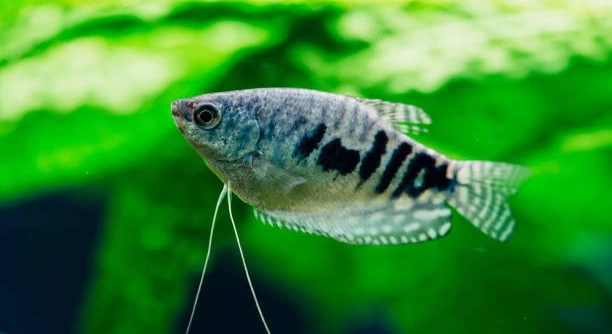
Gourami are popular freshwater fish known for their bright colors and peaceful nature. Like all pets, they can experience discomfort or pain, which isn’t always easy to spot. Recognizing subtle signs early can help keep them healthy and comfortable.
Gourami in pain often display changes in behavior, physical appearance, and movement patterns. These subtle clues include lethargy, loss of appetite, abnormal swimming, or changes in coloration. Identifying these signs promptly can improve their care and well-being.
Noticing these small changes can make a big difference in how you care for your gourami. Understanding their signals helps ensure they stay happy and healthy in your aquarium.
Changes in Swimming Patterns
When a gourami is in pain, its swimming behavior often changes noticeably. Instead of gliding smoothly, the fish may swim erratically, float near the surface, or hide more than usual. Some gouramis may stay close to the tank’s bottom or appear to struggle while moving. These changes happen because pain can affect their muscles and energy levels. It’s common to see slower or more jerky movements compared to their normal, calm swimming style. If you notice your gourami is not swimming as usual, it’s a clear sign something might be wrong. This change is one of the earliest clues that your fish could be in discomfort and might need attention to avoid worsening health.
Observing your gourami’s movement daily can help catch problems early. Small changes can indicate pain or illness.
Recognizing irregular swimming is key to timely care. Addressing water quality, diet, and possible injury can help improve your gourami’s condition. Keeping the tank clean and stress-free supports recovery and comfort.
Loss of Appetite
A sudden drop in appetite is a common sign that a gourami might be in pain. When fish feel unwell, they often lose interest in food, which can lead to weakness. Pain from illness or injury reduces their energy and motivation to eat. It’s important to notice if your gourami refuses food for more than a day or two.
Loss of appetite may seem small but signals underlying issues that need addressing quickly.
If your gourami stops eating, start by checking water conditions, as poor water quality often causes stress and illness. Look for other symptoms like color changes or lethargy. Sometimes, infections or parasites can cause pain, making feeding difficult. You might also want to try offering softer or live foods that are easier to eat. Maintaining a balanced diet and stable tank environment is essential to support recovery. Prompt care when appetite decreases helps prevent more serious health problems.
Changes in Coloration
When gouramis are in pain, their colors often become dull or faded. This shift happens because stress and discomfort affect their natural pigment. Bright and vibrant colors usually signal good health, so any noticeable dullness should not be ignored.
Dull coloration is a key indicator of poor health or stress in gouramis. Pain or illness can reduce blood flow or cause hormonal changes that affect color. For example, a usually bright orange gourami may turn pale or grayish. This change can develop slowly or suddenly, depending on the problem. Along with color shifts, look for other signs like clamped fins or hiding behavior. Together, these signs point to possible pain or distress needing care. Keeping the tank clean and monitoring water parameters helps prevent color loss caused by environmental stress.
In some cases, faded colors result from infections or parasites that cause discomfort. Early detection and treatment improve the chances of your gourami regaining its natural brightness and overall health. Proper diet and a calm tank also support color recovery.
Excessive Hiding
Gouramis in pain often hide more than usual. They seek shelter to avoid stress and protect themselves from threats. This behavior change helps them feel safer but can indicate serious discomfort.
Hiding is a natural response to pain or illness in gouramis. When fish feel vulnerable, they retreat to quiet corners or behind decorations. Excessive hiding may mean your fish is trying to avoid movement or interaction that causes pain. It’s important to observe if your gourami stops swimming around or refuses to come out even during feeding times. Such behavior changes suggest something is wrong and prompt care is needed. Check water quality and look for visible injuries or parasites that could cause pain. Reducing tank disturbances and ensuring proper nutrition can help your gourami feel secure and heal more quickly.
Labored Breathing
Labored breathing is a clear sign that a gourami may be in pain or distress. You might notice your fish gasping at the surface or breathing faster than usual.
This can happen due to poor water quality, infections, or internal issues causing discomfort. Monitoring oxygen levels and keeping the tank clean is essential.
Clamped Fins
Clamped fins occur when a gourami holds its fins close to its body. This behavior usually indicates stress, pain, or illness. It often accompanies other symptoms like lethargy or color changes. Watching for clamped fins helps identify early signs of discomfort and lets you act before the problem worsens.
Sudden Aggression
Sometimes, a normally peaceful gourami becomes suddenly aggressive. This change can signal pain or discomfort causing irritability. Aggression might include chasing tank mates or flaring fins, which can stress all fish involved and indicate underlying health issues.
Loss of Balance
A gourami losing balance may float awkwardly or tilt sideways. This symptom often shows neurological or swim bladder problems linked to pain or illness. It requires prompt attention to avoid further complications.
How can I tell if my gourami is in pain?
Pain in gouramis is usually shown through changes in behavior and appearance. Signs include unusual swimming patterns, loss of appetite, faded colors, clamped fins, and hiding more than normal. Labored breathing, sudden aggression, or loss of balance can also indicate discomfort. Watching your fish closely every day helps you spot these subtle clues early.
What should I do if I notice my gourami is showing signs of pain?
First, check your tank’s water quality. Poor conditions often cause stress and illness, leading to pain. Test parameters like ammonia, nitrite, nitrate, and pH, and adjust as needed. Make sure the water temperature is stable and suitable for gouramis. Clean the tank regularly and avoid overcrowding. If symptoms persist, consider consulting a vet or fish specialist for diagnosis and treatment.
Can water quality affect my gourami’s health and cause pain?
Absolutely. Poor water quality is one of the main causes of stress and pain in aquarium fish. High levels of toxins like ammonia or nitrite irritate gills and skin, making it hard to breathe. Unstable pH or temperature shocks also weaken their immune system, increasing the risk of infections. Keeping the water clean and well-maintained is crucial to prevent discomfort and health problems.
Is it normal for gouramis to hide a lot?
Gouramis naturally like to explore and rest in hiding spots occasionally. However, excessive hiding can signal stress or pain. If your fish suddenly spends most of its time hiding and avoids feeding or swimming, it’s time to check for underlying problems. Pain or illness often makes them seek refuge to avoid further discomfort or danger.
Why is my gourami’s color fading?
Fading colors often reflect poor health or stress. Pain and illness reduce blood circulation and disrupt pigment cells, causing colors to dull. Environmental factors like poor water quality or improper diet can also cause this. If your gourami’s colors fade, test the tank conditions and review feeding habits. Timely care helps restore natural brightness.
What causes clamped fins in gouramis?
Clamped fins are a sign of discomfort, stress, or illness. Causes include infections, poor water quality, parasites, or physical injury. The fish holds its fins close to the body to protect itself. Monitoring this behavior alongside other signs can help identify pain early and prevent worsening conditions.
Can diet affect my gourami’s pain or discomfort?
Yes, diet plays a big role in maintaining your gourami’s health. Poor nutrition can weaken their immune system, making them prone to illness and pain. Feeding a balanced diet with high-quality flakes, pellets, and occasional live or frozen foods supports overall well-being. Avoid overfeeding, which can harm water quality and cause health issues.
What should I do if my gourami is aggressive suddenly?
Sudden aggression can mean pain or stress. Isolate the aggressive fish if possible to prevent injury to tank mates. Check for signs of illness or injury that might cause discomfort. Improving water quality, reducing tank stress, and providing hiding spots may calm your gourami. If aggression continues, consult an expert for advice.
How important is tank setup for preventing pain in gouramis?
Tank setup greatly impacts gourami health. Proper size, clean water, suitable temperature, and plenty of hiding places reduce stress and the risk of pain. Avoid overcrowding and aggressive tank mates. A well-maintained environment helps gouramis feel safe and comfortable, lowering chances of illness and discomfort.
Can stress cause pain in gouramis?
Yes, stress can lead to pain and health problems. Stress weakens the immune system, making fish vulnerable to infections and disease. Common stressors include poor water quality, sudden changes, bullying, and lack of hiding spots. Minimizing stress through good tank care is essential to keep your gourami healthy and pain-free.
Noticing when a gourami is in pain can be challenging, but paying close attention to their behavior and appearance is very important. Subtle changes like swimming differently, hiding more, or losing color are clear signals that your fish might be uncomfortable or sick. These signs should never be ignored because catching problems early helps prevent more serious health issues. Keeping an eye on your gourami every day allows you to act quickly if you see anything unusual, giving your fish the best chance to recover and stay healthy.
Taking care of your gourami’s environment is key to reducing pain and stress. Maintaining clean water with proper temperature and chemistry is the first step. Regular tank cleaning and monitoring water quality prevent harmful conditions that often cause discomfort. A well-set tank with enough space and hiding places lets your gourami feel safe, which lowers stress levels. Feeding a balanced diet and avoiding overfeeding support your fish’s immune system, helping it resist illness. All these efforts work together to keep your gourami comfortable and happy.
When you notice signs of pain, don’t wait to make changes or seek help. Sometimes the solution is as simple as adjusting water quality or improving diet. Other times, it may be necessary to consult a fish health specialist or veterinarian. Being proactive and patient with your gourami’s care shows you care about their well-being. Remember, small changes in behavior often carry important messages. Understanding and responding to these signs can lead to a longer, healthier life for your gourami.

Hello,
If you enjoy the content that we create, please consider saying a "Thank You!" by leaving a tip.
Every little bit helps us continue crafting quality advice that supports the health, happiness, and well-being of pets around the world, for pets of all shapes, sizes, and species.
We really appreciate the kindness and support that you show us!