
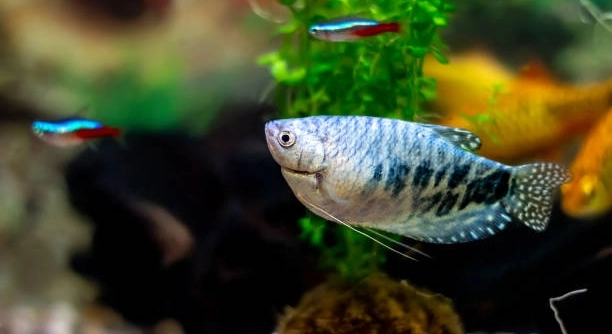
Are your gourami suddenly chasing each other in the tank? This behavior can seem alarming but is quite common among these fish. Understanding why they act this way can help you care for them better.
Gourami chase each other mainly due to territorial disputes or mating behavior. They may become more aggressive when space is limited or during breeding seasons, which triggers chasing to establish dominance or attract mates.
Knowing the reasons behind this behavior will help you manage your aquarium environment and keep your gourami calm and healthy.
Why Gourami Become Territorial
Gourami are naturally territorial fish. When placed in a confined space, they may feel the need to protect their area from others. This can lead to chasing and occasional nipping. Males are usually more aggressive, especially during breeding times when they compete for females. Even if your tank is large, certain decorations or hiding spots might cause territories to form. When gourami feel crowded or stressed, their chasing behavior increases. It’s important to observe their interactions and see if any fish appear hurt or overly stressed. Adding plants or breakable barriers can help reduce these confrontations by giving each fish a private spot. Adjusting tank layout and ensuring enough space often calms their behavior.
Territorial chasing is a natural instinct in gourami but can be managed with careful tank setup and monitoring.
By creating a peaceful environment, you can reduce stress and aggression in your gourami. Making simple changes in your aquarium setup often helps them coexist more comfortably. This means fewer chases and a calmer tank overall.
How Breeding Influences Behavior
During breeding season, gourami behavior changes noticeably. Males become more active in chasing females and rivals to show dominance. This chasing is part of their courtship and mating rituals. In some cases, the male builds a bubble nest and guards it fiercely, chasing away anyone who comes too close. The increased activity and aggression are temporary and tied to reproduction needs. If you notice sudden bursts of chasing, it might indicate breeding is underway. Sometimes, separating aggressive males or providing extra hiding spaces for females can reduce stress. After spawning, gourami usually return to normal behavior. Understanding these changes helps you support their natural life cycle without unnecessary worry. Keeping water conditions stable during this time also promotes healthy breeding and calmer interactions.
Breeding can make gourami more aggressive, but this is a natural phase that usually passes with time.
Signs of Stress in Gourami
Chasing can stress gourami, causing changes in behavior or health. Watch for hiding, loss of appetite, or faded colors as signs. Early detection helps prevent serious issues.
Stress weakens gourami’s immune systems, making them vulnerable to diseases. Prolonged chasing leads to exhaustion and injury. If you notice your gourami acting withdrawn or staying at the bottom, they may be overwhelmed. Fading color is another warning sign showing discomfort or illness. Keeping the tank clean, maintaining stable water conditions, and reducing aggressive behavior are essential. Providing plenty of hiding spots allows stressed fish to escape and recover. Frequent observation ensures problems are caught early and treated properly.
If you see signs of stress, try rearranging the tank or separating aggressive individuals. Sometimes adding more plants or decorations helps break sightlines and reduces tension. Preventing stress keeps your gourami healthier and happier for longer.
Managing Aggression in a Community Tank
Aggression can escalate quickly in a mixed-species tank. It’s important to choose tank mates that tolerate gourami’s territorial nature. Avoid overcrowding to minimize conflicts. Proper tank size and layout make a big difference.
Separate aggressive gourami if chasing becomes harmful. Some gourami species are more aggressive than others, so research before adding new fish. Adding plants, rocks, or decorations helps create visual barriers, breaking lines of sight between fish. These changes reduce direct confrontations and provide safe spaces. Monitoring the tank daily lets you catch problems early. Maintaining good water quality and stable temperatures lowers stress and aggression. Balance between species and environment is key to a peaceful community aquarium.
Tank Setup Tips to Reduce Chasing
A well-planned tank can reduce chasing among gourami. Include plenty of plants and hiding spots to break up territories. Soft lighting and gentle water flow also help keep fish calm.
Avoid overcrowding by following recommended fish limits. Spacing out decorations creates natural boundaries, lowering aggression. Changing the tank layout occasionally can prevent fixed territories from forming.
Feeding and Behavior
Feeding gourami regularly and on schedule can reduce chasing. Hungry fish are more likely to act aggressively. Offering a varied diet helps keep them healthy and less irritable.
Slowly distributing food in different tank areas can prevent competition. Avoid overfeeding, which can cause water quality issues and stress. Consistency is key to maintaining peaceful behavior.
When to Separate Gourami
If chasing leads to injuries or constant stress, it’s time to separate the aggressive fish. Use a divider or move the most aggressive individual to another tank temporarily. This protects all fish and helps calm the environment.
Monitoring Changes
Keep a close eye on any changes in behavior or tank conditions. Early action can prevent serious problems and keep your gourami happy.
Why are my gourami chasing each other suddenly?
Gourami chasing is often a sign of territorial behavior or breeding activity. When space is limited, they chase to claim areas or show dominance. During breeding, males become more aggressive, chasing females and rivals. Changes in tank conditions or new additions can also trigger chasing. Ensuring enough space and hiding spots can help reduce this behavior.
Is chasing a sign of aggression or play?
Most chasing among gourami is aggressive, linked to territory or mating. However, some playful chasing may happen in younger fish, but it’s usually brief and less intense. Persistent chasing, nipping, or injury shows aggression, which needs attention to avoid harm.
How can I stop my gourami from chasing each other?
To reduce chasing, provide more space and plenty of plants or decorations for hiding. Rearrange the tank layout regularly to prevent fixed territories. Feed them well to reduce food competition. In some cases, separating the most aggressive gourami can restore peace.
Can overcrowding cause gourami to chase?
Yes, overcrowding is a common cause of chasing. When too many fish share a small space, they compete for territory and resources, leading to more chasing and aggression. Following recommended tank size guidelines and fish limits helps avoid this problem.
Does water quality affect gourami behavior?
Poor water quality stresses gourami, making them more aggressive. High ammonia or nitrite levels, incorrect pH, or unstable temperatures increase stress and chasing. Keeping water clean and stable is crucial for calm behavior and fish health.
Are male gourami more aggressive than females?
Yes, male gourami tend to be more territorial and aggressive, especially during breeding. They chase females and rival males to establish dominance. Female gourami are generally less aggressive but may still chase occasionally to defend their space.
Will chasing stop after breeding?
Chasing usually decreases once breeding ends. Males often calm down after spawning and bubble nest care. However, some territorial behavior can remain, especially if the tank is small or crowded. Monitoring and tank adjustments can help.
What signs show that chasing is harmful?
Watch for torn fins, scratches, bleeding, or hiding fish. Stress signs like faded colors or loss of appetite also indicate chasing is causing harm. If injuries or stress are visible, intervention is needed to protect the fish.
Can adding plants reduce chasing?
Yes, live or artificial plants provide hiding spots and break sightlines, which reduce territorial chasing. Plants give fish private areas and help diffuse aggression. A well-planted tank encourages more peaceful interactions.
Should I separate gourami if chasing continues?
If chasing causes injury or severe stress, separating aggressive gourami is recommended. Use tank dividers or move the aggressive fish to another tank. This protects fish and helps restore calmness. After some time, you can try reintroducing them carefully.
Does diet influence chasing behavior?
A balanced, regular diet helps keep gourami calm. Hungry fish are more aggressive, so feeding small amounts multiple times a day can reduce chasing. Avoid overfeeding to prevent water quality issues that may increase stress and aggression.
How often should I rearrange the tank?
Rearranging decorations and plants every few weeks prevents fixed territories. Changing the environment encourages fish to explore new areas and reduces aggressive boundaries. Be gentle with plants and decorations to avoid stressing the fish.
Can tank mates affect gourami chasing?
Yes, certain tank mates may provoke gourami or trigger more chasing. Avoid aggressive or very active species that can stress gourami. Choose peaceful fish that tolerate gourami’s territorial behavior and won’t compete for the same space.
Is chasing more common in certain gourami species?
Some gourami species, like the three-spot gourami or kissing gourami, can be more aggressive and prone to chasing. Others, like dwarf gourami, tend to be less territorial but still show some chasing. Knowing your species helps manage behavior better.
What is bubble nesting and how does it relate to chasing?
Male gourami build bubble nests during breeding, often near the water surface. They aggressively chase other fish away to protect the nest and eggs. This behavior is natural but can look intense. Providing enough space reduces stress on other fish.
How can I tell if chasing is breeding behavior or aggression?
Breeding chasing is often focused around bubble nests and includes courtship displays. Aggressive chasing is more constant and targets multiple fish. Breeding chasing usually decreases after spawning, while aggressive chasing may require intervention.
Does water temperature affect gourami aggression?
Higher temperatures can increase gourami metabolism and activity, which sometimes leads to more chasing. Maintaining a stable, appropriate temperature helps keep their behavior steady and reduces stress-related aggression.
Are there natural ways to calm aggressive gourami?
Adding floating plants, dimming lights slightly, and creating plenty of hiding spaces can calm gourami. Avoid sudden changes or loud noises around the tank, as stress can increase chasing. Consistency in care helps maintain peaceful behavior.
What role does lighting play in gourami behavior?
Bright or flickering lights may stress gourami, causing more chasing and hiding. Soft, consistent lighting mimics their natural environment and helps them feel secure. Using a timer ensures a stable day-night cycle, supporting calm behavior.
Can stress from other sources increase chasing?
Yes, stress from poor water quality, incompatible tank mates, or sudden changes can make gourami more aggressive. Identifying and reducing stressors improves their mood and lowers chasing incidents. Regular monitoring is key to a healthy tank.
Gourami chasing each other is a common behavior that many fishkeepers notice. It often happens because gourami are territorial or because they are preparing to breed. While this chasing can look alarming, it is a natural part of their behavior. Understanding why they chase helps in making decisions that create a peaceful tank environment. Giving gourami enough space and hiding spots is very important. It lets each fish have its own area, reducing fights and stress. Also, keeping the water clean and stable supports healthy behavior.
When chasing becomes too much, it can cause stress and injuries. Watching for signs like torn fins or changes in color is important to protect your fish. If aggression continues or worsens, making adjustments in the tank can help. Adding plants, rearranging decorations, or even separating the most aggressive gourami can calm the situation. Feeding your gourami well and on time also reduces competition and aggression. These small changes make a big difference in keeping the tank peaceful and the fish healthy.
Remember, some chasing is normal, especially during breeding times. The key is to observe your gourami closely and provide a good environment that fits their needs. With proper care and attention, chasing will not harm your fish or the balance of the tank. Staying patient and making gradual changes helps gourami live together more comfortably. This approach ensures your aquarium stays a calm, enjoyable place for both the fish and you.

Hello,
If you enjoy the content that we create, please consider saying a "Thank You!" by leaving a tip.
Every little bit helps us continue crafting quality advice that supports the health, happiness, and well-being of pets around the world, for pets of all shapes, sizes, and species.
We really appreciate the kindness and support that you show us!