
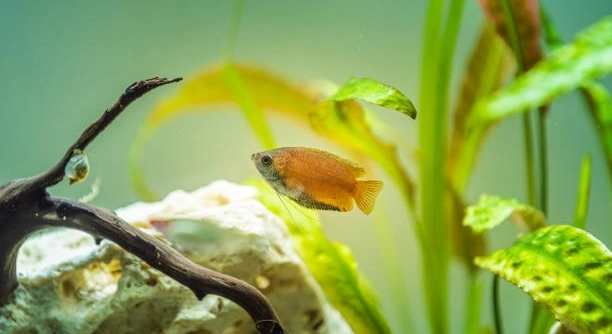
Feeding gourami by hand can be a calming and rewarding part of fishkeeping, but it takes some patience and careful planning. Building trust with your fish is key, and it doesn’t happen overnight.
The best way to feed gourami by hand is by using a slow, consistent approach that combines familiar food, gentle movements, and regular timing. Over time, your gourami can learn to associate your presence with feeding and safety.
Each step helps create a calm and trusting environment so your gourami feel safe enough to eat directly from your hand.
Start with Calm, Consistent Movements
Begin by spending time near the tank without sudden actions. Move slowly when feeding, so your gourami get used to your presence. Over several days, place food in the same spot to establish a routine. Try keeping your hand still in the water with the food resting on your fingertips. They may not respond right away, but consistency helps. Avoid chasing them with food or tapping the glass. Patience matters, especially in the early stages. Keep the tank environment calm—avoid loud noises or sudden lighting changes during feeding time. This can help your gourami feel more secure and willing to explore closer to you.
Building trust can take several days or even weeks, depending on the fish. Don’t rush it or expect quick results.
Eventually, your gourami will associate your hand with feeding time. Once they begin swimming near it, continue with small, slow movements so they feel safe while eating.
Use the Right Food for Hand Feeding
Choose food that your gourami already enjoys and recognizes.
Stick with floating pellets or small bits of blanched vegetables like zucchini or spinach. These are easier to hold between your fingers and stay intact in water, which keeps the area clean and controlled. Avoid foods that break apart quickly or cloud the water, as this may make hand feeding messy and discourage repeated attempts. Offer only small amounts during each session to avoid overfeeding. A consistent feeding schedule helps, so try offering food at the same time daily. This creates a predictable pattern for your gourami and reinforces trust.
If you want to encourage interaction, you can also use freeze-dried bloodworms or tubifex cubes. Hold them gently between your fingers near the water’s surface. Gourami often find these tempting and will be more willing to come close. Once they do, hold your hand steady and avoid any fast movements. Keep distractions low by turning off strong filters during feeding. This slows the current and makes it easier for them to focus on the food.
Train During Quiet Times
Feed your gourami when the environment is peaceful and free from distractions. Choose times when the room is quiet, and other pets or people aren’t moving around. A calm space makes it easier for your gourami to feel safe and engage with hand feeding.
Gourami are sensitive to their surroundings. Loud noises, sudden shadows, or fast movements near the tank can cause stress and make them hide. To build trust, try hand feeding during early morning or evening hours when the environment is naturally quieter. Sit still near the tank and keep movements slow and predictable. If your gourami seem hesitant, don’t push it. Just let them see the food in your hand without making them come forward. Repeating this process daily can help reduce their fear. Over time, their curiosity usually grows, and they’ll become more comfortable approaching you. Consistency in timing also encourages regular feeding behavior.
Once your gourami begin to approach your hand, keep feeding sessions short and positive. If they eat directly from your fingers, that’s great—but even coming close is progress. End each session calmly, even if they don’t eat. This avoids reinforcing stress. Gradually, their confidence will increase, and hand feeding will become part of their normal behavior.
Keep Your Hands Clean and Scent-Free
Wash your hands thoroughly with water before each session. Avoid soap, lotion, or sanitizer residues that might stay on your skin and affect the water or food. Even mild scents can bother your gourami and discourage them from eating.
Human skin products can easily transfer into aquarium water and affect both the taste and safety of food. It’s best to rinse your hands well using only water—no soap—before each feeding attempt. Skip any hand creams or scented items beforehand. If you’ve recently used cleaners or perfumes, wait a while or rinse multiple times. Your gourami have a strong sense of smell, and unfamiliar scents can make them hesitate or avoid the food completely. You can also try holding the food with a small plastic feeding stick if your hands still seem to cause hesitation. Keeping everything clean and scent-free helps your fish feel more at ease and builds steady progress with hand feeding.
Limit Distractions Around the Tank
Try to keep the area around the tank calm during feeding. Turn off the TV, lower any loud music, and ask others to avoid sudden movements nearby. A peaceful setting makes your gourami feel safer and more willing to approach your hand.
Close curtains if sunlight creates glare or strong reflections on the glass. Sudden flashes or shadows can make gourami nervous and less responsive to food. The more stable and quiet the environment, the easier it becomes to build trust and encourage hand feeding over time.
Offer Small Portions During Each Session
Start with only a few pellets or small food pieces each time. Too much food at once can overwhelm your gourami or make them lose interest. It’s also harder to manage if uneaten food sinks or breaks apart. Keep sessions short and focused. If they don’t eat right away, stay patient and still. Once they show interest, you can repeat the process with a fresh portion. Avoid feeding more than they can eat within two minutes. This helps prevent water clouding and overfeeding, keeping your tank clean and your gourami healthy as they get used to your hand.
Be Patient with Progress
Hand feeding may take time to work. Some gourami are naturally shy and need longer to adjust. Stay consistent, calm, and encouraging through each attempt.
FAQ
How long does it take for gourami to start eating from your hand?
It depends on the individual fish. Some gourami may begin responding within a few days, especially if they’re already comfortable with their environment. Others may take a few weeks to build enough trust. Consistency, patience, and a calm routine are key. Try feeding at the same time every day and avoid sudden changes. If your gourami are showing interest but staying back, continue offering food near the surface and let them come closer on their own. Small signs of progress—like watching you from a distance or swimming near your hand—are part of the process.
What types of food work best for hand feeding gourami?
Sinking pellets, freeze-dried bloodworms, and small soft pieces of vegetables are great options. Floating foods like flakes or floating pellets are also helpful, especially when introducing hand feeding. Just make sure the pieces are small enough for them to nibble comfortably. If you’re using live or frozen food, like brine shrimp, offer it in tiny amounts. Pinch it lightly between your fingers and let them approach at their pace. Soft foods tend to encourage more interaction, as they’re easier for the fish to bite and chew.
Can hand feeding gourami cause aggression between fish?
Yes, it’s possible if more than one gourami tries to reach the food at the same time. Hand feeding creates a focused space, and dominant fish may try to control the area. To reduce conflict, make sure there’s enough space between your hand and the rest of the tank. You can also feed other fish separately before hand feeding the gourami, so they’re less likely to crowd the area. Watching their behavior helps—if you notice nipping or chasing, try spacing out sessions or using a feeding stick to create more distance.
Is hand feeding safe for gourami?
Hand feeding is safe when done properly. Make sure your hands are clean and free of soap or lotion. Avoid forcing the interaction—never chase or trap your fish. If your gourami seems stressed, give them more space. Let them come to you rather than trying to push the feeding. Also, keep sessions short and avoid overfeeding. A few bites per session are enough. Proper water care is also important. Uneaten food can pollute the tank, so remove leftovers quickly to keep water clean.
Why does my gourami ignore the food in my hand?
There are several reasons. The fish may be scared, not hungry, or unfamiliar with your hand. It might also be a new environment, or the tank conditions aren’t ideal. Start by checking water quality, temperature, and filtration. Try different foods to see what gets a better response. Move slowly and keep your hand still to avoid scaring them. If they still won’t eat, offer the food with a stick or let it float for now. Building trust takes time, and every small step helps your gourami feel more at ease.
Should I try to touch my gourami during feeding?
No, it’s best to avoid physical contact. While some gourami may get close enough to brush against your fingers, it should always be on their terms. Touching them directly can stress them out or even damage their scales and protective slime coat. Let them lead the interaction. If they feel safe, they’ll eventually come very close. Just focus on keeping your hand steady and relaxed, offering the food in a way that feels natural. Over time, they’ll learn to associate your hand with something positive.
Final Thoughts
Feeding gourami by hand is a slow and steady process that takes time, consistency, and patience. These fish are naturally cautious, and building trust with them doesn’t happen overnight. Each gourami is different—some may warm up to hand feeding within days, while others might take several weeks before showing interest. It helps to create a calm environment and stick to a regular feeding schedule. Avoid sudden movements or loud noises during feeding time. These small changes help the fish feel more secure, making it easier for them to approach your hand without fear.
Choosing the right food is also important. Soft, floating foods work well because they stay near the surface and are easy for your gourami to notice. You can also try live or freeze-dried foods, which often grab their attention more quickly. However, avoid giving too much food during hand feeding sessions. Too much uneaten food can lead to water problems. Remove any leftovers right away to keep the tank clean. It’s also a good idea to clean your hands before feeding. This reduces the chance of introducing anything harmful to the water. A little extra care goes a long way when trying to hand feed your fish.
Not all gourami will enjoy hand feeding, and that’s okay. Some may prefer to eat from a distance no matter how gentle or consistent you are. What matters most is creating a stress-free space where your fish feel safe and healthy. If they do respond, even just swimming close to your hand, that’s already progress. Celebrate the small steps rather than expecting quick results. Over time, your gourami may surprise you with how much they’re willing to engage. Just remember to keep things simple, move at their pace, and keep their needs first. Hand feeding isn’t necessary for their health, but it can be a rewarding way to connect with them if done carefully.

Hello,
If you enjoy the content that we create, please consider saying a "Thank You!" by leaving a tip.
Every little bit helps us continue crafting quality advice that supports the health, happiness, and well-being of pets around the world, for pets of all shapes, sizes, and species.
We really appreciate the kindness and support that you show us!