
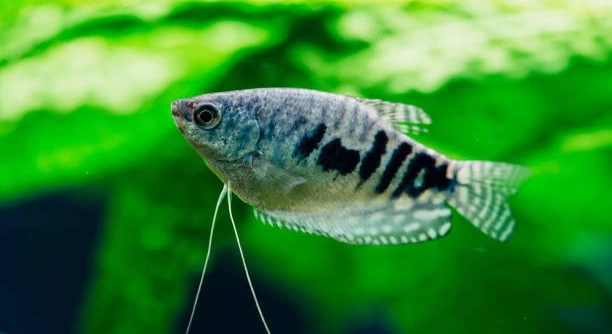
Are your gouramis showing less movement when they are alone in the tank? Many fish owners notice changes in behavior when their gouramis don’t have companions. This article explores how loneliness might affect their activity levels.
Gouramis tend to be less active when kept alone because social interaction influences their behavior. Without companions, they may exhibit reduced swimming and exploration, which can lead to signs of stress or boredom in solitary conditions.
Understanding how loneliness impacts gouramis helps improve their care and environment, ensuring they stay healthy and more engaged in their tanks.
Why Gouramis Need Social Interaction
Gouramis are naturally social fish. In the wild, they live in groups, swimming and interacting together. This social behavior helps them feel safe and encourages activity. When kept alone in an aquarium, gouramis often become less active because they miss this interaction. Without other fish to engage with, they may hide more and swim less, showing signs of boredom or even stress. Some gouramis may become shy or withdrawn when lonely, affecting their overall health. Providing companions can help stimulate their natural behavior and keep them more active and alert. Observing your gourami’s habits can tell you a lot about how they feel. If you notice reduced activity, it might be a sign they need more company or a change in their environment to feel comfortable and secure.
Adding other compatible fish to the tank can improve your gourami’s activity and mood.
Creating a lively environment with plants, hiding spots, and tank mates helps gouramis stay engaged and reduces loneliness. These conditions mimic their natural habitat and encourage natural swimming patterns. It also decreases stress levels, making them more vibrant. Choosing peaceful companions that get along well with gouramis is important to prevent aggression or bullying. Watching gouramis interact with others can be rewarding, as they often show playful and curious behavior. Providing proper social settings and tank enrichment ensures a healthier, happier fish. Maintaining clean water and a balanced diet also supports their well-being and activity. Overall, social interaction is key to keeping gouramis active and content in captivity.
Signs Your Gourami is Less Active Due to Loneliness
If your gourami is spending a lot of time hiding or staying still at the bottom of the tank, it might be lonely.
Lonely gouramis often stop exploring or playing and may lose interest in food. Watching for these signs early can help you improve their living conditions before their health declines. Adding companions or changing the tank setup usually brings back their energy and curiosity. Regular observation helps keep your fish happy and active.
How to Encourage Activity in Lonely Gouramis
Providing hiding spots and plants gives gouramis a sense of security and encourages movement.
Changing the environment can make a big difference. Adding live or artificial plants, caves, or decorations helps gouramis explore and stay active. These elements mimic their natural habitat, making them feel safer and more comfortable. Sometimes, simply rearranging the tank can renew their interest in swimming around. Regular water changes and maintaining proper temperature also support healthy behavior.
Introducing tank mates can stimulate social interaction and boost activity. Choose peaceful species that won’t stress your gourami. Observing their behavior closely after adding new fish ensures compatibility. Avoid overcrowding to reduce stress and aggression. Providing varied food, like live or frozen treats, can also encourage movement and curiosity as gouramis search for meals. Overall, environmental changes and social additions are effective ways to increase your gourami’s activity when lonely.
Ideal Tank Mates for Gouramis
Peaceful fish like tetras or rasboras make good companions for gouramis.
Tank mates should be calm and not too aggressive to prevent stress. Small schooling fish create a lively environment without overwhelming gouramis. Avoid fin-nippers or overly territorial species that may cause conflict. Compatible fish promote natural social behavior and reduce loneliness. Proper tank size and hiding places help all fish coexist peacefully. Adding the right companions can improve your gourami’s activity and overall happiness. Watching them interact is often rewarding and shows positive effects of social living. Careful selection and observation keep your aquarium balanced and harmonious.
Feeding Tips to Boost Gourami Activity
Offering a varied diet keeps gouramis interested and active.
Live or frozen foods like brine shrimp or bloodworms encourage natural hunting behavior.
Importance of Water Quality for Activity
Clean, stable water conditions are essential for gouramis to stay energetic. Poor water quality causes stress and lethargy. Regular testing and maintenance keep their environment healthy and comfortable, promoting natural activity levels and overall well-being.
Adjusting Tank Size for Better Activity
A larger tank provides more space for gouramis to swim and explore. Limited space can restrict movement and cause boredom. Ensuring adequate room helps gouramis stay active and healthy.
FAQ
Why are my gouramis less active when alone?
Gouramis are social fish by nature and often rely on companionship to feel secure. When kept alone, they may become shy or stressed, leading to less swimming and exploration. Without interaction or stimulation, gouramis can appear lethargic or hide more often. This behavior is a sign they need more social or environmental enrichment.
Can gouramis live alone without any problems?
Yes, gouramis can survive alone, but they may show reduced activity or signs of boredom over time. Living alone might make them less lively compared to those in small groups or with compatible tank mates. Proper tank setup with plants and hiding spots can help, but social interaction usually improves their well-being.
How many gouramis should I keep together?
It depends on the species and tank size, but generally, keeping gouramis in pairs or small groups helps maintain natural behavior. Avoid overcrowding; a spacious tank with enough hiding places supports peaceful cohabitation. Research your gourami species’ social needs before deciding on group size.
What are good tank mates for gouramis?
Peaceful, small fish like tetras, rasboras, or corydoras catfish usually make good companions. Avoid aggressive or fin-nipping species that can stress gouramis. Tank mates should be similar in temperament and size to maintain harmony and encourage social interaction.
How can I tell if my gourami is stressed?
Signs include hiding, loss of appetite, rapid breathing, clamped fins, or unusual lethargy. Stress often results from poor water quality, loneliness, aggressive tank mates, or inadequate environment. Monitoring behavior and tank conditions helps catch stress early.
Does tank size affect gourami activity?
Yes, smaller tanks limit swimming space and can cause boredom or stress. Larger tanks allow more room for exploration and natural behavior, keeping gouramis more active. Aim for at least 20 gallons for a pair of gouramis, adjusting for species and group size.
What diet helps keep gouramis active?
A varied diet with flakes, pellets, live, or frozen foods keeps gouramis interested and encourages natural foraging behavior. Treats like brine shrimp or bloodworms can stimulate activity by triggering hunting instincts. Feeding small amounts multiple times daily supports energy and health.
Can environmental changes improve a lonely gourami’s activity?
Yes, adding plants, decorations, and hiding spots provides stimulation and comfort. Rearranging the tank occasionally renews interest. Introducing peaceful tank mates can also increase activity, but do so gradually to avoid stress or aggression.
How often should I clean the tank to keep gouramis healthy?
Regular water changes, about 20-30% weekly, maintain good water quality and reduce stress. Clean filters as needed without disrupting beneficial bacteria. Keeping the tank clean supports gouramis’ energy and reduces illness risks.
Is it normal for gouramis to hide a lot?
Some hiding is normal, especially during rest or when feeling threatened. However, excessive hiding or inactivity often signals stress, poor water conditions, or loneliness. Providing proper shelter along with social interaction helps reduce this behavior.
These answers can guide you in understanding and improving your gouramis’ activity and overall health, ensuring they thrive in your aquarium.
Gouramis are naturally social fish that often feel more comfortable and active when they have companions or a stimulating environment. When kept alone, they can become less active, hiding more and swimming less. This behavior usually happens because they miss the interaction that comes with living alongside other fish. Without this, they may feel stressed or bored, which affects their overall well-being. Providing a proper environment with plants, hiding spots, and even some peaceful tank mates can help gouramis stay lively and healthy. Understanding this can help fish owners give their gouramis the best care possible.
The size and setup of the tank also play important roles in a gourami’s activity. A larger tank offers more space for swimming and exploration, which encourages natural behavior. Smaller tanks can make gouramis feel cramped, leading to reduced movement and less engagement with their surroundings. Besides space, clean water and good water quality are essential for keeping gouramis healthy and energetic. Regular water changes and proper filtration help prevent stress and illness, which might otherwise cause them to become inactive. Feeding gouramis a varied diet with live or frozen foods also keeps them interested and boosts their activity.
In the end, the best way to help gouramis stay active is to meet their social and environmental needs. Adding peaceful tank mates, arranging plants and decorations, and keeping the tank clean and spacious all contribute to a happier fish. Watching gouramis interact with their environment and other fish can be very rewarding, showing their natural, lively behavior. By paying attention to these factors, fish owners can ensure their gouramis live healthy, content lives even in captivity. Taking these steps helps prevent loneliness and inactivity, giving your gouramis the best chance to thrive.

Hello,
If you enjoy the content that we create, please consider saying a "Thank You!" by leaving a tip.
Every little bit helps us continue crafting quality advice that supports the health, happiness, and well-being of pets around the world, for pets of all shapes, sizes, and species.
We really appreciate the kindness and support that you show us!